 Sign In



Attachments
Note: Not all attachments are visible to the general public. Research URLs will go live after the embargo ends.

 Australia; International; WA
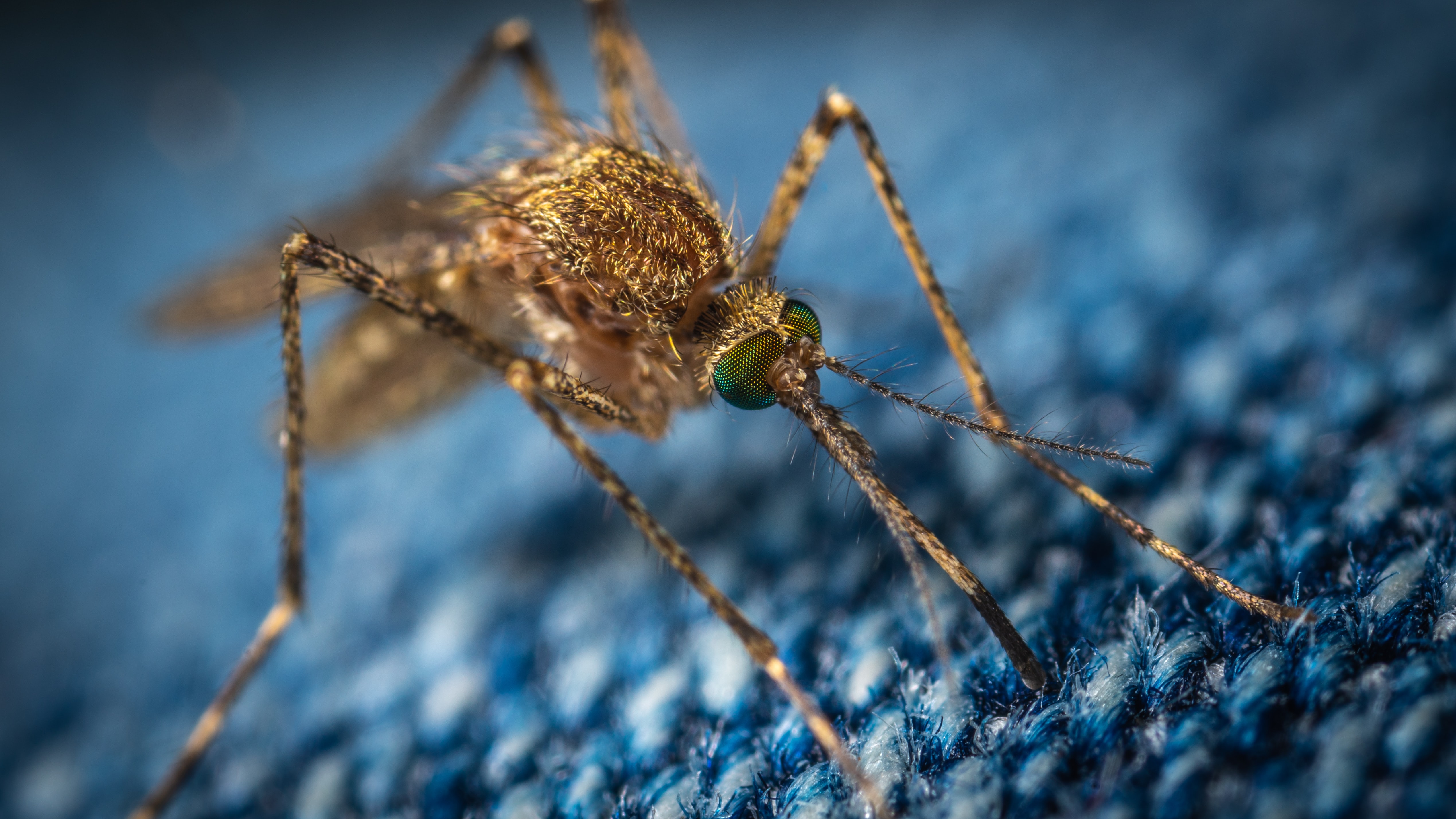
The amount of pregnant women living in areas where they face the risk of pregnancy complications from malaria infection has decreased over the past 20 years according to Australian and international experts, but sub-Saharan Africa is not seeing the same decrease. The researchers used global population data and malaria data to estimate how many women require intervention to reduce the risk of malaria while pregnant, which can result in severe complications including miscarriages and stillbirths. The researchers say while the amount of pregnant women facing these risks has decreased globally from 2000 to 2020, the growth in population in sub-Saharan Africa has outpaced efforts to reduce malaria transmission.
Note: Not all attachments are visible to the general public. Research URLs will go live after the embargo ends.

