 Sign In



 Australia; VIC; QLD; SA; WA
Expert Reaction
These comments have been collated by the Science Media Centre to provide a variety of expert perspectives on this issue. Feel free to use these quotes in your stories. Views expressed are the personal opinions of the experts named. They do not represent the views of the SMC or any other organisation unless specifically stated.
Dr Elizabeth Jackson is an Associate Professor of Supply Chain Management and Logistics at Curtin University
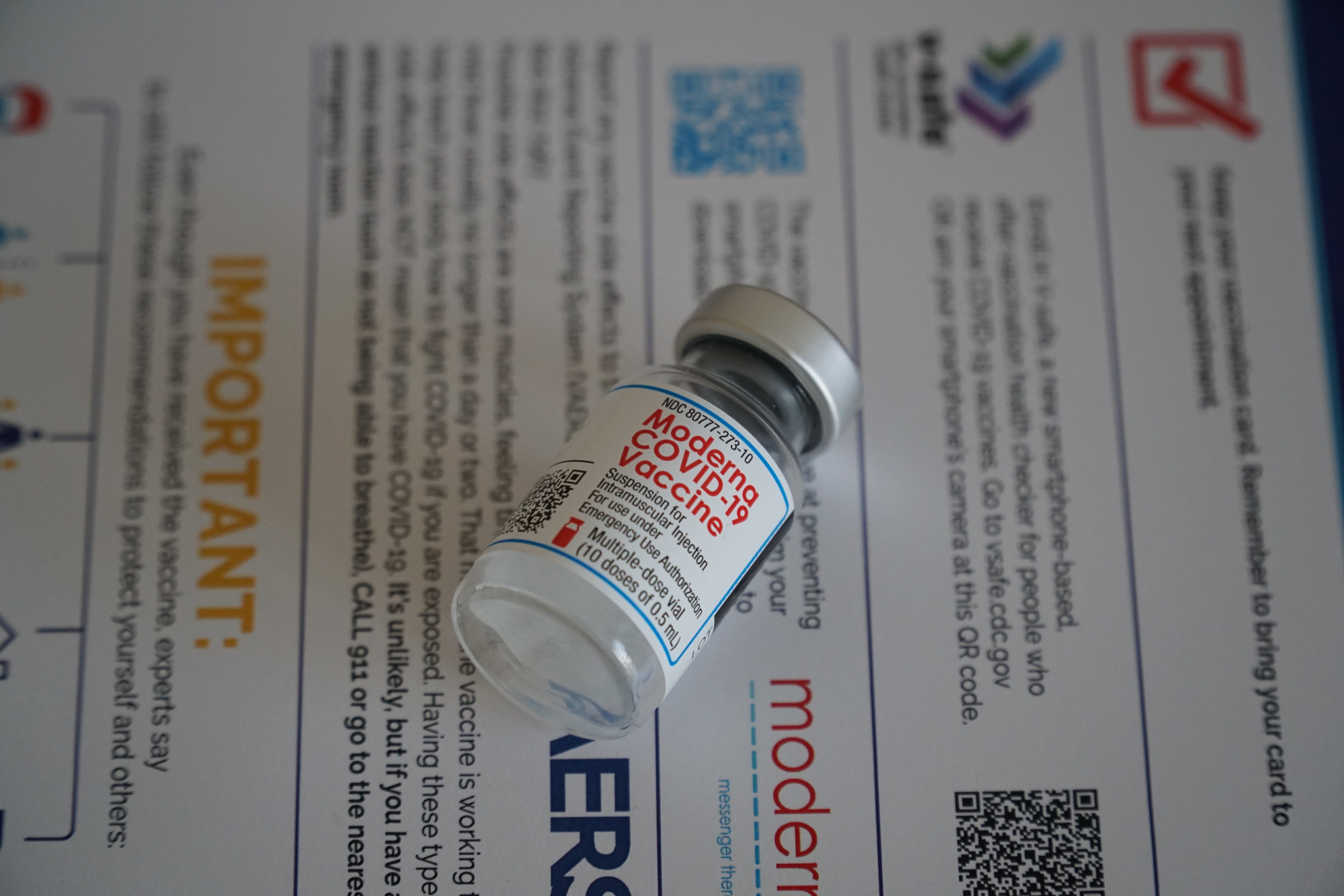
The Moderna vaccine, to complement the existing Pfizer and AstraZenca vaccines approved by Australia’s Therapeutic Goods Administration, will offer much-needed choice to the Australian population.
News of the government’s purchase of 25 million doses is promising but, while there has been heavy criticism about the supply of the Pfizer vaccine reported in the media, community uptake of the vaccines in-general has negatively impacted demand signals regarding which vaccines are needed and where they are needed.
These are key principles of supply chain management; Western Australian’s overall apathy for being vaccinated is not helping the effective allocation and distribution of the scarce and precious vaccine resource.
Rightly or wrongly, it has been made clear that community sentiment and trust lie in the Pfizer vaccine which scientists claim works in a similar way to Moderna’s. The choice of a perceived safe vaccine will undoubtedly give Australians the confidence to roll up their sleeves but the waste surrounding stocks of the AstraZenca vaccine remains a problem.

Professor Paul Griffin is the Director of Infectious Diseases at Mater Health Services and the Head of the Mater Clinical Unit for the University of Queensland School of Medicine
It is indeed welcome news to hear of the approval of yet another safe and effective vaccine for COVID-19 in this country.
While our rollout has faced many challenges, it is clear that supply has been one of the most significant constraints and to have an additional vaccine as an option reduces our reliance on existing supply chains that have not been able to meet demand thus far (keeping in mind of course that the AstraZeneca vaccine is manufactured in Australia so not in limited supply).
Moderna has demonstrated high levels of efficacy in large clinical trials that have been verified by data arising from extensive real-world experience. Whilst similar to Pfizer in terms of mechanism of action, safety, efficacy and effectiveness, subtle differences include that the interval is 4 weeks between doses for Moderna as opposed to 3 typically with Pfizer and it does appear Moderna has slightly more temperature stability data so is a little easier to transport and store, including for example being able to be stored at fridge temperature for 30 days and room temperature for 12 hours.
Professor Adrian Esterman is Chair of Biostatistics at Adelaide University
Moderna is an mRNA vaccine very similar to the Pfizer vaccine. With respect to the Delta variant, the Pfizer vaccine has an efficacy of 88% at preventing symptomatic Covid infection after two doses and is 96% effective against severe disease or death. It is expected that the Moderna vaccine will have similar efficacy.
Both vaccines require two shots, the second Pfizer one being optimally 3 weeks after the first, whereas Moderna it is four weeks.
Interestingly, a dose of Pfizer contains 0.3 mL of vaccine, whereas Moderna uses a dose of 0.5 mL – yet they have the same efficacy. For both vaccines, optimal immunity is obtained two weeks after the second dose.
The side-effect profile of the two vaccines is very similar, and any side-effects usually occur after the second dose.
The Moderna vaccine is a bit easier to handle logistically, as vials may be stored refrigerated between 2° to 8°C for up to 30 days prior to first use, whereas Pfizer can only be stored for five days at this temperature.
With Novavax unavailable until next year, TGA approval of Moderna is welcome news and should provide a big boost to the vaccine rollout.
Prof Bruce Thompson is the Head of the Melbourne School of Health Sciences at The University of Melbourne
The news from the TGA regarding its approval of the Moderna vaccine is very welcome. It critical that the population gets vaccinated as quickly as possible. Addressing supply of vaccine by having a number of companies supplying the drug, goes a long way to achieving that aim.
