 Sign In



 Australia; NSW; VIC; QLD; SA; WA; ACT
News release
From:
How will Australia's social media ban affect the health and wellbeing of under-16s?
By Olivia Henry, the Australian Science Media Centre
The Australian Government's social media ban for under 16s is set to come into effect next week, but experts are still divided on whether the ban will have a positive or negative overall effect on the health and wellbeing of Aussie kids.
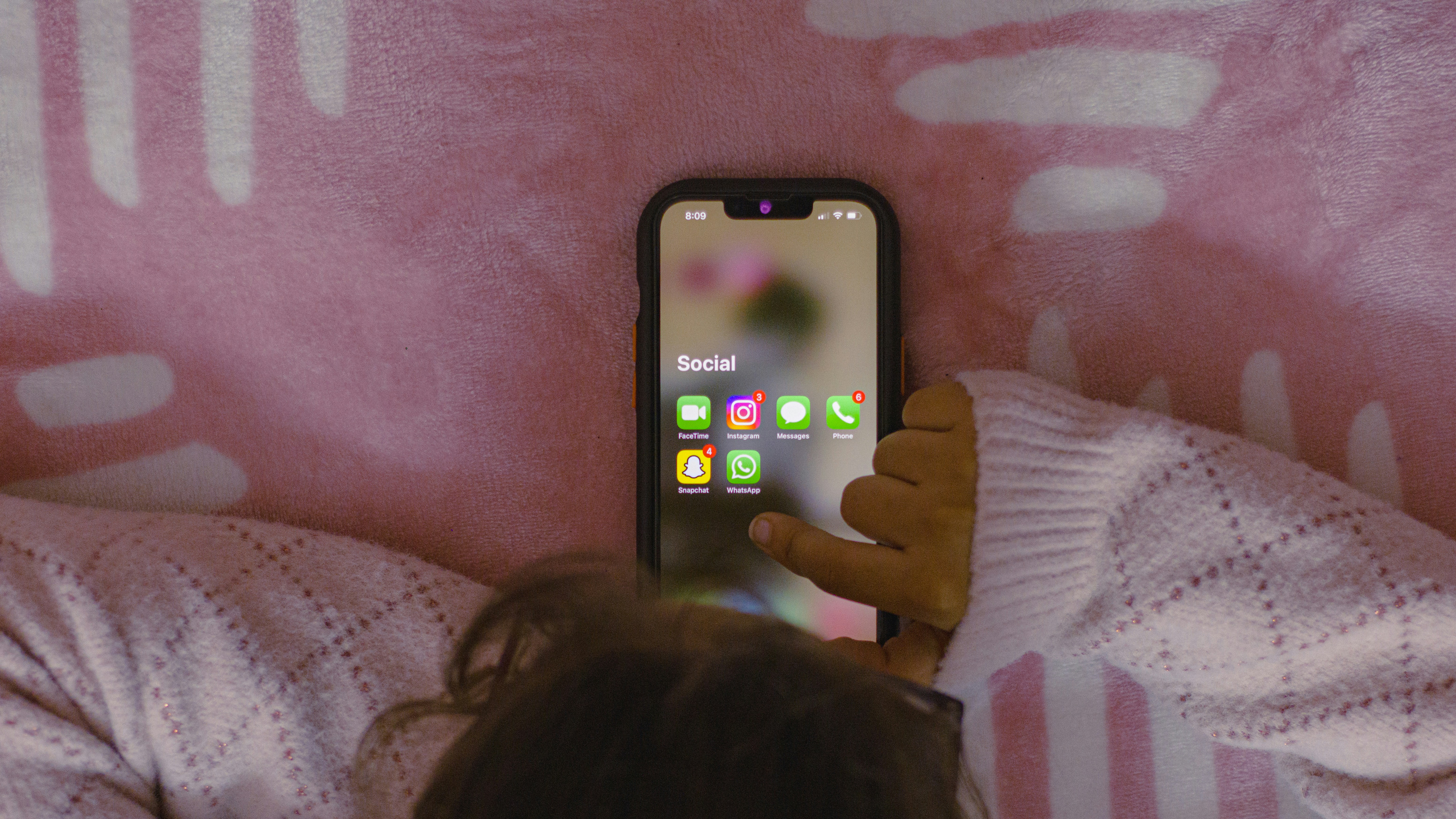
Coming into effect on December 10, the new law will require social media sites such as Facebook Instagram, TikTok, X and YouTube to take “reasonable steps” to prevent Australians under 16 from having accounts on their platforms.
The eSafety Commission has also provided a list of social platforms that will not be age-restricted. These include Discord, Github, Messenger, Pinterest, Roblox, and more.
The AusSMC has spoken to a range of experts on the potential impacts of the ban, from technology and AI, to law, digital cultures, education, child health and psychology.
From a child development perspective, many experts agree that children should be protected from the addictive nature of social media.
“Social media is training the brain to prioritise fast, reactive thinking over the deeper cognitive skills we rely on to make good decisions,” said Associate Professor Susannah Tye from the Queensland Brain Institute at the University of Queensland.
Every hour spent on social media reinforces the brain pathways that prioritise reactive, emotionally charged thinking, rather than focus, reasoning, and problem solving, and we don’t yet know the long-term consequences of this.
“That uncertainty alone should concern us,” A/Prof Tye said.
"We build the brain we’ll rely on later in life during childhood and adolescence. Prolonged social media use may be quietly reshaping the developing brain, and not in ways that help young people navigate an increasingly complex world.”
While we may not fully understand the long-term consequences of these brain-rewiring algorithms, Professor Susan Sawyer said her research shows a ban might be a helpful start.
Without the brain maturity and life experience to safely navigate these algorithms, she said, there can indeed be harmful consequences.
“Sadly, unlike other protective actions that can be taken by parents, once a child has a smartphone, no amount of ‘good parenting’ can overcome the dopamine-fuelled algorithms of big tech,” she said.
Dr Joseph Scott, a Senior Lecturer in Health and Physical Education at the University of the Sunshine Coast, agreed, adding that social media addiction could also be hurting the physical health of young people, too.
“The evidence linking social media addiction and significant physical and mental health issues in young people is overwhelming. It paints a bleak future for our youth and calls for an urgent and significant change,” he said.
But while some experts welcome the ban for the bodies and minds of young people, others are concerned it’s a step in the wrong direction, and will isolate vulnerable minorities who seek connection.
Professor Paula Gerber from Monash University said LGBTIQA+ youth in Australia rely heavily on social media for “mental health support, connection, community building and identity development.”
“Almost three-quarters of young trans Australians report that using social media makes them feel better about themselves, and 91% of LGBTIQA+ youth in a national survey said social media helped them connect with others like them. A ban is likely to sever these crucial lifelines,” she said.
As the ban draws nearer, Prof Gerber said it is crucial that these resources become available offline – especially for young people in rural areas and other environments where they aren’t getting support.
While there are clearly risks that come with social media use, other experts, such as Griffith University’s Associate Professor Jennifer Alford, argue that the ban is too much of a blunt instrument.
They suggest young people should be learning to navigate and overcome these difficulties early, or risk being left behind as adults.
“Adults created the internet and social media platforms for profit, and the harmful content on it, and then we gave it to children like candy. Now we want to take it away from them, leaving some of them - especially those who are vulnerable and isolated - to work out how to stay connected for themselves,” she said.
“Yes, young people need to be protected from danger and we have historically taught young people how to help themselves be protected from harm – for example, ‘stranger danger’, crossing a busy road, etc,” she added.
University of Canberra Dietician Danielle Shine, who researches nutrition misinformation on social media, agreed, adding “While I applaud the intention to protect young Australians from online harms, restricting access alone won’t build the skills they need to navigate an increasingly complex digital world.”
According to these experts, along with QUT’s Professor Daniel Angus, Australia really needs to put the responsibility on the platforms that shape online environments, rather than “knee-jerk prohibition.”
Professor Angus argued that young people must be treated as “digital citizens who deserve support, opportunity, and care” rather than a problem to be contained.
For now, experts agree this new law is essentially a large-scale experiment. Governments and policymakers around the world are now looking to Australia to see the consequences unfold.
As Australia navigates this transition, experts are encouraging their parents to support their kids as they adjust to the changes.
Losing social media isn’t just about limiting dance videos on TikTok – kids are losing connections with peers, support networks and resources, political information, sports communities, and role models.
The new laws can be seen as an opportunity for parents to build trust, and start an open dialogue with their kids on this topic (and others), as psychologist Professor Marie Yap from Monash University suggested.
“Creating a safe space for your children to talk openly will strengthen your relationship and enable you to help them navigate the dynamic digital world they are growing up in," she said.
This article originally appeared in Science Deadline, a weekly news alert from the AusSMC. You are free to republish this story, in full, with appropriate credit.
Expert Reaction
These comments have been collated by the Science Media Centre to provide a variety of expert perspectives on this issue. Feel free to use these quotes in your stories. Views expressed are the personal opinions of the experts named. They do not represent the views of the SMC or any other organisation unless specifically stated.
Dr Danielle Einstein is a Clinical Psychologist and Adjunct Fellow in the School of Psychological Sciences at Macquarie University and a researcher on social media use and anxiety
“We’ve shifted the Overton Window [the range of ideas the public is willing to consider and accept] in a way few thought possible. For years, the tech industry denied and minimised the harms of addictive, exploitative design. But through relentless advocacy, evidence, my research on uncertainty, and the lived reality of families, we’ve forced this issue into the mainstream, here in Australia and overseas. What was once dismissed as alarmism is now recognised as a global public health crisis, and governments everywhere are being pushed to act as a result of Australia's lead.
Just this week we've seen a school announce it will ban smartphone ownership for primary school students. Schools now feel empowered to take decisive action.
At the very age that young teens are learning to trust others, navigate jealousy and form lifelong habits, we have given them a powerful tool capable of destabilising their whole school community, and increasing their self focus and reducing self esteem.
It is time to wake up to the rising levels of aggression, anxiety and anger and the poisonous impact of social media on our society.
We've labelled mental health harms that impact the individual, and those around them (akin to passive smoking), we've recognised the limitations of an 'education alone' approach, and we are no longer hanging onto the idea that unregulated social media use is a 'safe-haven' for mental health. This is a win for children in Australia and youth around the world."

Jennifer Stokes is Associate Director of the Teaching Innovation Unit at the University of South Australia
"The Australian social media ban for under-16s is a world-leading initiative designed to protect growing brains from algorithmically-curated distraction and dopamine hits provided by social media. Globally, we struggle with the impact of these technologies and how we can all navigate them effectively. Australia is now leading through informed policy, which prioritises young people’s cognitive development and guides children and adolescents to navigate these complex spaces and embed digital literacies prior to using social media.
Australia is taking steps to prioritise human connection over digital distraction. This is particularly important for the rapid brain development occurring in childhood and early adolescence. This ban will support children to grow up with less algorithmic interference, while also reducing exposure to misinformation, predatory behaviour, and other risks associated with these technologies.
We need to also consider the positive uses of social media for connection and education, and reflect upon how we can support young people to fill these through community and other societal supports.
As we look towards the future we want for the world, the Australian social media ban is a pivotal moment in considering digital and information literacies alongside the attention economy, and investing in the future of our kids."
Associate Professor Lesley-Anne Ey is from UniSA Education Futures
"Children of today have grown up with social media, and as such, it is very much part of their life and their identity. While the new social media ban will be a blessing for some kids who have had bad experiences online, many will see it as a loss. This shift in children’s lives will require great support from parents. It is important for parents to be understanding, empathetic and patient with their children during this adjustment period. Parents need to invite conversation and role model a healthy media diet.
Be mindful of the time and frequency with which you engage with social media. Kids may need support in identifying alternative ways to connect with peers. Support hobbies, sport, and offline fun to keep kids socially connected. The social media ban, however, is not a silver bullet that will prevent any online harm for children, and it is important that parents and teachers remain vigilant about educating children about safe internet use.
If children do break the rules and get themselves in trouble online with a predator, for example, it is important that parents are approachable, and kids understand that there is no problem too big that you cannot work through it together."
Tama Leaver is a Discipline Lead and Professor of Internet Studies at Curtin University and a Chief Investigator in the ARC Centre of Excellence for the Digital Child
"From December 10th, young people under 16 in Australia will officially not be able to have accounts on social media platforms. For some, the impact will be an annoyance; they will regroup with their friends, their communities, on platforms not subject to the ban, such as messaging platforms like WhatsApp, connected games or even new platforms like Yope that most people haven't heard of yet. Other teens, especially those who are in regional and rural Australia, or who feel different from their peers in a range of ways, for them, the experience of being cut off from these platforms will be much harder. Right now, no matter how people feel about the ban or social media, it's vital that trusted adults take very seriously the feelings and responses teens have to losing access to their social media. Parents and trusted adults need to listen to young people, to support them, and not dismiss what social media may have meant to them. If they don't have that capacity, at least be mindful that they can suggest support that exists, such as the Kids Helpline or Headspace.
The ban may well reduce some risks, but it doesn't solve anything. Cyberbullying will still exist; messaging platforms are mostly exempt from the ban. Untrustworthy adults may still be able to find ways to reach and speak to teens across almost any platform. The job of helping young people learn to navigate the digital world safely is ongoing, and helping teens continue (or start) that conversation matters. Opening a door so young people have someone to turn to if they experience something challenging, confronting or terrible online is vital.
And it’s important to remind teens, and remind parents, that if they are still on social media under the age of 16, they have NOT broken the law. The ban puts the onus on platforms 100%; if a teen or parent circumvents the ban, they have not done anything wrong. They should still feel able to talk about their experiences online without fear of being just told they shouldn't be there."
Dr Catherine Archer is a Senior Lecturer and researcher in social media at Edith Cowan University
"Many academics feel that children and teens were not consulted widely enough before the social media minimum age legislation was announced. The ban could cause anxiety and other mental issues for teens. They will face uncertainty over the school holidays on how to keep in contact with their friends and be entertained and informed on their regular platforms.
Academics working in the space were blindsided and felt there was little consultation last year with the announcement. At a 'consultation' event held last year, the perspective from the South Australian Premier was very much on the side that a ban would be good for children. Jonathan Haidt's book, The Anxious Generation, was widely cited by those promoting the ban. Many experts believe this book doesn't reflect the state of the evidence. The Prime Minister announced the ban as "doing this for the parents" and seemed to envisage a nostalgic view that kids would be 'back on the footy fields and the netball courts'.
The e-Safety Commission has been updating its website and issuing press releases on what is 'banned' and what is not on a regular basis - right up to very recently. The e-Safety Commission has been tasked with implementing and communicating the details of the ban.
However, the ban has certainly started conversations and has given the platforms a 'notice' that there are issues with social media for children - and all of us!
Teens are starting to think of ways around the ban, and the concern is that they may go to 'darker' places on the web. Messaging apps like WhatsApp won't be under the ban, so bullying may still occur.
The effectiveness is yet to be tested. Some adults are worried that it will lead to more data and surveillance, as age testing is not foolproof."
Dr Dana McKay is a senior lecturer in innovative interactive technologies at RMIT University
"In a study I did of significant view changes in people's lives where digital information played an important role, nearly all participants said that their view changes started on social media. Teen years are an important time for teens to explore, with the support of the adults around them, who they want to be and how they want to be in the world. Having exposure to voices and ideas that are different to those around them is really important, especially for minoritised groups (for example LGBTQIA+ kids in very conservative small towns or those who are in a cultural minority).
These teens may be about to lose access to the support networks that tell them they are ok, or that change their friends' views to be more accepting. Some teens will find ways to work around the ban for these reasons, but this makes social media even more dangerous. There is no reason anymore for the companies to limit very adult content, and the ban will have a chilling effect on teens reaching out for help if something goes wrong.
It is my hope that this legislation will evolve to focus more on harm reduction: ensuring that adult content has to be actively requested, rather than passively discovered, much like real-world adult content such as cigarettes and alcohol. In the meantime, we should all check in with the teens in our lives to remind them to download important content, support them through the transition, and remind them that if they are where they shouldn't be, that we will continue to help them if things go wrong."
Katherine FitzGerald is a PhD Researcher from the Digital Media Research Centre at the Queensland University of Technology
"As other academics have noted - including my colleague Daniel Angus, Director of the Digital Media Research Centre - prior experience has shown that excluding children from certain spaces simply pushes them into less visible platforms, often with fewer safety guardrails. While there are some exceptions noted, such as YouTube Kids or GitHub, the government's social media ban has been short-sighted in considering what online spaces will still remain accessible to children.
As an online conspiracy theorist scholar, I note that many of the spaces where conspiratorial thinking and radicalisation occurs will still be available to children, where they will be exposed to violent rhetoric and significant amounts of institutional distrust. For children to be exposed to this content is not only inappropriate, but increased institutional distrust is a societal issue that results in negative democratic outcomes.
Do we want a generation of children being exposed to this content with consequences for social cohesion down the line? The clear solution to this is acknowledging a child's need for a safe internet, while proactively working to build those online communities, instead of pushing them towards darker corners of the internet where unmoderated content, misinformation, and conspiracy theories run rampant."
Associate Professor Katie Wood is an expert in clinical psychology at Swinburne University of Technology
"The Government Social Media Ban for young people under 16 has attracted mixed views from parents and children. Some are no doubt relieved while others are genuinely concerned about what this might mean for young people who heavily rely on social media to connect with peers. Excessive social media use can have clear negative impacts on mental health and wellbeing, but is a ban the way to address these impacts?
While more research is needed to fully answer this question, parents will need support to work with their children to find ways to manage the ban. There is a risk that children will find other ways to access social platforms and become sneakier about it. Parents will need to be vigilant to this as well to any emotional and social fallout."
Professor Barney Tan is Head of the School of Information Systems and Technology Management in the UNSW Business School at the University of New South Wales
"A nationwide ban preventing all under-16s from holding social media accounts is among the first of its kind globally — and as far as we know, the most sweeping such law in any democracy. We should ask why Australia is adopting a measure this extreme, when evidence about long-term benefit remains unclear.
Rather than imposing blanket exclusion on an entire generation, we should prioritise balanced, evidence-based alternatives: parental consent, digital literacy and robust platform safeguards that protect young people, without stripping away their rights to connect, express themselves or participate in online society."
Associate Professor Eric Lim is from the School of Information Systems and Technology Management in the UNSW Business School at the University of New South Wales
"The Social Media Ban is a horrendous idea that impinges on the rights of people in a democratic society to have freedom of information.
While I don’t deny that there are problems with social media and children accessing them, to put a blanket ban on this problem is just lazy and also hints at the contempt the government has of its constituents to make good decisions for themselves and for their family. This speaks of a failure on so many levels."
Professor Gigi Foster is from the School of Economics, UNSW Business School at the University of New South Wales
"The under-16 social media ban is a bad idea, for a number of reasons. Most importantly, there are far more effective, cheaper, and less intrusive ways to guide children in the appropriate use of social media. I predict that the upcoming ban will be ineffective and unworkable due to the ability of users who really want to get around it (e.g., using VPNs or AI-assisted proof-of-age fakes) and the extra cost/obligation of age verification that falls on companies’ shoulders but delivers no actual economic benefit.
Beyond the fact that the approach embodied in this bill remains unproven as a means of actually protecting children from dangerous online content, I fundamentally disagree with the approach of limiting access to information in a country that is supposed to allow free speech. Inevitably, Australians who are older than 16 will find their access to communication platforms and information to be interrupted by interventions put in place because of this ill-conceived bill.
Finally, collecting even more sensitive information about citizens (e.g., facial images, passport photos, etc – whatever is used to verify age) in the repositories of social media companies is just asking for more hacking and abuse. If I didn’t know better, I’d be tempted to view this as a soft launch of a mandatory digital ID – also a very bad idea.”
Associate Professor Zixiu Guo is from the School of Information Systems and Technology Management at the UNSW Business School
"As a mum of two, a lecturer for more than 30 years of experience, and a researcher deeply committed to understanding how the technology can be designed to make the world a better place, I do worry about this generation a lot, including their physical and mental health, their education, and their futures since the world has become completely different from the one we knew, and the challenges they face are unlike anything we experienced.
Although I know this ban may not be the ideal solution to fix the problems we are facing, it may at least prompt everyone affected to reflect on why social media has developed into what it is today, and what we should do about it. This kind of reflection is necessary for everyone, because this generation has never experienced what life was like before social media.
At the very least, they may begin to pause, compare, and question their own life and their own habit, and perhaps, through this process, they will start making better, more conscious choices. In chaotic situations, we should act first to stabilise the situation, then observe what happens, and then respond accordingly. I think this is the right decision to be made.”
Dr Sabrina Caldwell is a Senior Lecturer from the School of Systems & Computing at UNSW Canberra
"It won’t work perfectly, but it can work imperfectly. Some young people will find ways to circumvent the restrictions. However, even if they find a way to sneak online, they will not find most of their peers there, and this will detract significantly from the social media experience."
Professor Michael Salter is from the School of Social Sciences, Arts, Design & Architecture at UNSW and the Director of Childlight UNSW, the Australasian hub of Childlight, the Global Child Safety Institute
"The ban is an unfortunate but necessary step to protect children from escalating levels of online sexual abuse and exploitation. Globally, 300 million children experience online sexual abuse each year, and the majority of this occurs on social media platforms. Social media companies have consistently prioritised growth and engagement over child protection. Age restrictions are a necessary circuit breaker for a sector where voluntary industry action has failed."
Dr Rahat Masood is a Senior Lecturer in Cyber Security at UNSW Sydney
"There’s still a lack of clarity on how the government plans to audit social media companies on whether they’ve complied with the guidelines. Protecting children online is crucial but we also need to ensure the solutions don’t create bigger risks in the process.”
Dr Hammond Pearce is a Senior Lecturer from the School of Computer Science and Engineering at UNSW
"The privacy of the end-users is essential to get right - poorly implemented age verification systems are a huge risk for Australian social media users."
Professor Tanya Notley is from the School of Humanities and Communication Arts at Western Sydney University
“It’s important to consider the unintended impacts of this ban — especially those that may cause harm. For example, our research shows that social media is the preferred source of news for Australian teenagers aged 13-16 years. News engagement is critical to civic engagement because it ensures young people are informed about local and world events and issues. We now need to consider how we can best support young people to engage with news, share their experiences and advocate on the issues that matter to them online and in our communities. This is so important for the health and future of our democracy.
In our research young people have told us that they are not receiving any meaningful education on social media at school — what they receive focuses only on bullying and 'stranger danger' and this kind of education is usually implemented in a one-off annual workshop by outside consultants. Young people say this does not reflect their needs and experiences. The national curriculum body ACARA has developed a suite of new resources to support media literacy education in the classroom from Foundation to Year 10. The next step is for governments to fund targeted and holistic social media education resources and to support teachers and schools to deliver this education to all students also they are properly prepared for social media use.”
Associate Professor Joanne Orlando is from the School of Education at Western Sydney University
“My research with Australian families shows that guiding children's tech use is consistently the top parenting challenge. This challenge has intensified recently with the rapidly changing digital landscape, leaving parents feeling overwhelmed. Although banning social media seems tempting, it merely places the issue on pause. Children will eventually use these platforms, still ill-equipped to handle their complexities.
‘Social Media Literacy’ is crucial for minimising potential harm. Much like the evolution of sex education which guides children towards healthy and safe relationships, Social Media Literacy should empower children with the skills to critically understand and navigate their social media feeds.
Children tell me that adults always tell them what not to do but no one educates them on what to do. Social Media Literacy addresses this. Shifting from the current risk-focus approach to parent education to Social Media Literacy education for parents will address their overwhelm and build the confidence and understanding they need to raise children in our digitally complex society.”
Dr Shasha Wang is a Senior Lecturer in the School of Advertising, Marketing, and Public Relations at the Queensland University of Technology
Age verification dominates headlines, but it misses the real issue: AI-driven, smart, targeted persuasion can still reach children across any platform - social media or not.
Current strategies rely on regulations, age checks, and teaching digital literacy. But knowing digital literacy doesn’t mean children will use it - especially when AI can target them almost perfectly.
Bans can backfire. The UK’s age checks (not a ban) triggered an 1,800% surge in VPN use, pushing teens into riskier online spaces. Even with effective social media restrictions, GenAI and new technologies will still enable targeted influence elsewhere. Can we realistically keep expanding the ban list?
Instead, why not invest in interventions that help children protect their privacy and spot and question AI-driven persuasion? Building critical digital trust - the habit of questioning before trusting - is the resilience and agency humans truly need from childhood.
Targeted persuasion is evolving faster and smarter. We can’t decide everything for children; they must learn to think critically and use their own judgment. Our role is to support that process - helping them build a safer mindset and human agency, rather than shielding them from the reality of targeted smart persuasion.
Professor Sarah Joseph is from the Griffith Law School at Griffith University
The law might breach the implied freedom of political communication in the Australian Constitution. Social media is almost certainly the main way that those under 16 have communicated and received information about politics, and formed a political identity.
This law is apparently being challenged in the High Court on these very grounds. Ultimately, the case will almost certainly turn on the question of proportionality.
In that regard, I note that the new law constitutes one of the biggest limitations to freedom of speech passed by any Australian government. It impacts a whole generation in respect of one of if not the key means by which they have become accustomed to communicating. The government will therefore have to justify a large "burden" on the implied freedom, to use the parlance of the High Court.
The government's own parliamentary committee did not support such an extreme law. And it was passed in a rush, without meaningful parliamentary debate and community input. And while the government seeks to justify the law on the basis of harms caused to children by social media, it ignores significant benefits that children can gain from the responsible use of social media. Furthermore, there are serious concerns about the ease with which under-16s may be able to thwart it.
Susan Sawyer is Professor of Adolescent Health at The University of Melbourne, Director of the Centre for Adolescent Health at Royal Children's Hospital and Group Leader of Adolescent Health at Murdoch Childrens Research Institute
"Children need guardrails - social media is no exception. Tech companies should protect children from algorithm-driven platforms designed to maximise engagement at any cost. The stakes are highest for younger adolescents (10-14 year olds): puberty rewires their brains to be socially primed and emotionally reactive, but without yet the brain maturity and life experience needed to safely navigate these digital landscapes. Sadly, unlike other protective actions that can be taken by parents, once a child has a smartphone, no amount of ‘good parenting’ can overcome the dopamine-fueled algorithms of big tech.
Tech companies have abdicated responsibility for the torrent of harmful content flooding young people's feeds. Australia's new Social Media Minimum Age Act won't be a silver bullet for youth depression and anxiety. But our research certainly shows it will help, and especially help younger adolescents.
So far, the debate has centred on the challenge of taking the current generation of 13-15 year olds off their phones. The greater benefit lies in the potential impact on younger children. If this policy sparks dinner table conversations among parents of today's phoneless 8-11 year olds, it will shift social norms around the "right" age for smartphones. Keeping today’s phoneless kids phoneless for longer could deliver substantial benefits for health – way beyond mental health and wellbeing."
Dr Melody Taba is a Research Fellow at the Sydney Health Literacy Lab at The University of Sydney
"To date, there has been little attention on how the social media ban will affect the way adolescents access health information. Social media has emerged as a key source of health information for this age group over recent years, particularly due to its convenience and accessible format. Adolescents use these platforms to actively search for health information, or they may encounter it incidentally while scrolling through their feeds. Whilst there is an abundance of health misinformation on these platforms, many health organisations and health professionals use it to share important, reliable and accessible health information catered to these younger age groups.
In our research, young people reported they liked the opportunity to learn about health on these platforms, especially on topics they wouldn’t usually seek out or encounter elsewhere. Similarly, health organisations say social media’s low cost and broad reach makes it easier to connect with young people, who typically engage less with traditional health communication channels. The ban will mean that health communicators lose this channel and must experiment with new ways to engage young people. At the same time, it underscores the need for greater investment in young people’s digital health literacy, so they can effectively navigate health information (and avoid misinformation) when they do use social media."
Dr Amelie Burgess is a Senior Lecturer in Marketing at the University of Adelaide
"The social media ban stems from a clear desire to protect youth from being exposed to harmful digital experiences, aggressive marketing strategies, cyberbullying, and the impact on mental health through social media. These concerns are backed by significant research that shows an increased risk to some users, including children, because they can have less marketing literacy, as well as their cognitive ability to interpret marketing messages still developing.
At the same time, young people today are the first entire digital generation who have had immersive exposure to digital technologies throughout their lives including social media and how they engage with others. Denying access to these platforms may offer some protection, yet at the same may also limit opportunities to create meaningful relationships, take on an identity and have a community of support. For example, many young people rely on social media as a source of support and connection.
Another important issue is the obligation on the part of social media companies to accept and fulfil their responsibility to ensure that young people are safe while they are using their products. The current model places some responsibility on individuals who are vulnerable or at risk. The most comprehensive approach would be to share this responsibility between the government, online platforms, school education, and the community, with meaningful involvement from young people in this process."
Kateryna Kasianenko is a Postdoctoral Research Fellow at the ARC Centre for Automated Decision-Making and Society and QUT's Digital Media Research Centre
"Australia’s social media age ban may have long-lasting consequences for Australian democracy. Without idealising digitally networked spaces, it is crucial to recognise that they are increasingly spaces where young people not only learn about the news, but also act in response to the issues they encounter. According to a 2023 survey, 63% of teens used social media to consume news. But social media also allow their users to share the news, discuss them with others, fundraise, and more. My research has demonstrated that online civic engagement with a single issue, such as fundraising to support victims of war, also increases the likelihood of caring more about domestic and other global sociopolitical matters. The social media ban drives young people away from spaces where they would normally consume news. It is essential to consider alternative, safe spaces that allow them not only to be news consumers but also to be more active participants in the Australian and global civic life."
Dr Susannah Tye is an Associate Professor in the Queensland Brain Institute at The University of Queensland
We build the brain we’ll rely on later in life during childhood and adolescence. Prolonged social media use may be quietly reshaping the developing brain, and not in ways that help young people navigate an increasingly complex world.
Social media is training the brain to prioritise fast, reactive thinking over the deeper cognitive skills we rely on to make good decisions. Every hour spent in reactive, emotionally charged states is an hour spent strengthening these neural networks at the expense of those that support focus, reasoning, and problem-solving. We don’t yet know the long-term consequences of this imbalance. That uncertainty alone should concern us.
It is time to take a stand for our children and recognise that too much passive scrolling erodes the attention and cognitive systems we need to thrive. While more research is needed to understand the impact of social media on the developing brain, there are enough red flags to warrant action and intervention. We should be asking hard questions about how much and what kind of online exposure we allow young brains.
Dr Steve Georgakis is from the Sydney School of Education and Social Work at the University of Sydney
Young sports fans and sporting kids will be hugely impacted by the social media ban. Young people rely heavily on social media to build community within their sporting circles, and they enjoy following the accounts of elite athletes; my own children’s experiences reflect this. Restricting access will disrupt these everyday sporting interactions.
Associate Professor Micah Goldwater is from the School of Psychology at the University of Sydney
Social media has formed an important part of young people's lives. The evidence for its harm may be overblown, and perhaps the harms are concentrated on some particular design elements. A total ban may have worse effects relative to other possible regulations that are more directly informed by psychological research.
Professor Uri Gal is a digital ethics expert in the Business School at the University of Sydney
Restricting teenagers' access to social media is essential for protecting their mental and emotional well-being, physical and psychological development, attention spans and emotional resilience.
Dr Brittany Ferdinands is a Lecturer in Digital Content Creation at the University of Sydney
Preventing under-16s from having social media accounts won’t necessarily stop them from using them. In fact, it may push their activity underground. If governments want to protect young people, investment in digital literacy, media education and platform design changes will be arguably more effective than age bans that are easy to bypass.
Dr Mark Johnson is Senior Lecturer in Digital Cultures at the University of Sydney
The social media ban for young people has massive potential implications for teenagers' and children's healthy and productive enjoyment of digital games and play, and their participation in the social worlds of their peers. At the same time, however, at a time of increasing gambling-related content on many major sites, it's important to think about how to reduce young people's exposure to such material – all of which shows the difficulty in a broad-brush approach that bans entire sites or platforms where so much online life takes place.
Dr Timothy Koskie is a Post-Doctoral Associate with the Centre for AI Trust and Governance at The University of Sydney
Australia’s social media ban is already driving change, and is proof that the threat of regulation works, even before the law takes effect. Waiting for perfect policy risks paralysis when real progress is already within reach.
Professor Terry Flew is Co-Director of the Centre for AI, Trust and Governance at the University of Sydney
The introduction of the social media minimum age framework is a pathbreaking measure by the Australian Federal Government. While Australia is the first to adopt such restrictions, it is unlikely to be the last. Many governments around the world are watching how the power of Big Tech was successfully taken on and are considering their own measures to address the adverse consequences of platform power.
Dr Ellese Ferdinands is a micro-influencer and lecturer in the Business School at the University of Sydney
The upcoming social media ban is a positive step forward for the mental health of teens in Australia. Young people face enormous pressures to show up online through socialising with peers, seeking and providing validation, and expressing oneself. Social media is a breeding ground for comparison and subsequent mental health struggles, regardless of age, so reducing this wherever possible can assist in delaying the age these pressures are placed on young people. We must acknowledge however that a blanket ban is not a perfect solution. Teens may now seek out alternatives, which may result in them using less regulated platforms than those facing the ban, such as Instagram.
Dr Christina Anthony is a Lecturer in the Business School at the University of Sydney
Social media isn’t just a pastime for kids – it’s deeply embedded in their daily lives, how they connect with friends, express themselves, and develop their social identity. Removing it is a massive behaviour change that could leave them feeling isolated, disrupt routines, and even affect how they’ve learned to express themselves. But even something that seems like a limitation could open the door to learning healthier emotion regulation strategies that can result in improved well-being over time.
Professor Jon Rouse is from the AI for Law Enforcement and Community Safety (AiLECS) Lab in the Faculty of Information Technology at Monash University
If implemented well, the legacy of 10 December should not simply be that children were kept off certain platforms, but that industry incentives were shifted, and that measurable improvements in children’s mental health, safety and participation become the standard against which digital services are judged.
The introduction of the social media age restrictions for children on 10 December marks a long-overdue recalibration of responsibility in the digital environment.
For years, technology companies have been presented with clear research, regulator guidance and survivor testimony about the harms experienced by children on their platforms. They have had ample warning and time to embed safety by design, yet responses have too often been piecemeal and reactive.
In practice, we have seen a pattern where growth and revenue have been prioritised, and children’s safety has been treated as a secondary consideration – a classic case of profit over protection. In that light, the new restrictions are not an overreach; they are a response to a systemic failure of self-regulation.
The challenge now is to ensure that this delay is accompanied by rigorous age-assurance, independent oversight of platform practices, and investment in education and support for families.
Dr Clare Southerton is from the School of Education, Culture & Society in the Faculty of Education at Monash University
We do not yet have any evidence that social media bans are effective at addressing social media harms, but we do have ample evidence that young people – especially vulnerable young people – find social connection and support on social media.
It may seem appealing to believe that a ban will provide a solution to the complicated challenge that is navigating social media with young people. Unfortunately, the reality is that there is little evidence to suggest these kinds of bans are effective, and some evidence to suggest it could cause harm. What we do know is that it is important to talk to your children about social media, and build trust with them so that when they encounter something inappropriate or unsafe, they feel comfortable talking to you about it.
It is also important to remember that social media can play a significant role in young people's social lives. Having this taken away may be upsetting, and parents should be prepared for that reaction. I would encourage parents to take their children’s feelings seriously. Remember that children growing up now don’t tend to have the same freedom to roam as you might have had growing up, so social media may have filled the social gap for some young people. Try not to dismiss any feelings and consider ways for children to connect with peers, even if they aren’t physically nearby.
Associate Professor Eric Windholz is a Senior Lecturer in the Monash Centre for Commercial Law and Regulatory Studies at Monash University
Regulation to protect minors (and consumers more generally) from making choices that may be harmful to themselves is commonplace in Australia. The social media ban, however, represents a significant extension of past regulation, and a new high-water mark in the state’s paternalism.
Within it, there is also an irony. The social media ban is a statement by government that parents are unable or unwilling to regulate their own children's behaviour. At the same time, while primary responsibility for enforcing the ban lies with social media platforms, effective enforcement also will depend on those same parents educating children about the ban and encouraging (if not enforcing) compliance.
And beware the ‘forbidden fruit effect’. Regulatory prohibitions and restrictions entice the rebellious and curious to experiment with the prohibited activity - many children will seek to circumvent the ban. And the unscrupulous and criminal will exploit the opportunities this presents. Prohibition has a poor track record of success.
Professor Paula Gerber is a Professor in the Law Faculty at Monash University
LGBTIQA+ youth in Australia rely heavily on social media for mental health support, connection, community building and identity development. It is vital that these resources will now be accessible offline, especially in rural and unsupportive environments.
Almost three-quarters of young trans Australians report that using social media makes them feel better about themselves, and 91% of LGBTIQA+ youth in a national survey said social media helped them connect with others like them. A ban is likely to sever these crucial lifelines.
For queer youth, the ban may reduce the immediate risks associated with social media, such as exposure to homophobic or transphobic cyberbullying, harmful content and predatory behaviours. However, this positive impact is contingent on the availability of strong, supportive offline communities and resources (which are all too often lacking for queer youth, especially in regional and remote communities).
Restricting access is likely to deepen isolation, hinder self-expression and limit participation in civic and cultural life, which are rights protected under the UN Convention on the Rights of the Child, an international treaty that Australia has ratified. While the ban aims to protect children from online harms, it risks disproportionately affecting vulnerable youth who are already facing discrimination and exclusion offline.
The Convention on the Rights of the Child recognises children’s rights to freedom of expression and access to information (Article 13), and to participate in matters affecting them (Article 12). The Convention also recognises the importance of ensuring children’s access to diverse media, including content that supports their well-being (Article 17), which can include LGBTIQA+-affirming resources and online communities. The social media ban potentially violates these international laws that are in place to protect the rights of children.
Professor Marie Yap is a Psychologist and parenting expert at the Turner Institute for Brain and Mental Health in the Monash School of Psychological Sciences
Parents have a key role to play in helping children understand and adapt to these changes. Particularly for those who spend a lot of time on social media now, the changes are likely to come with a range of emotions, from anxiety or grief to anger. If social media is already a big part of their lives, they may struggle to find replacements that meet their needs in the same way, including the need for connection, self-expression, and to seek support, especially if they’re unable to find support offline.
The first thing you should do, before even raising the topic with your children, is to do your research. Equip yourself with accurate information and know how to answer their questions or correct any dis- or misinformation they may bring up. The Australian eSafety Commissioner’s website is a great place to start.
When speaking with your children, be mindful of your tone and your own view of the changes. If they sense you are judgmental or forceful, they may not be honest about how they really feel. Also try to avoid reacting negatively to any emotional outbursts your children may have. The focus should be on showing empathy, validating their feelings and keeping the dialogue open. Be aware of who is influencing their opinions on the topic. This could be friends, public figures, or even social media influencers. That insight will help you understand their logic and can inform your discussions.
For some parents, these kinds of conversations will be new. Not all families talk openly about their online lives. This is a great opportunity to develop a more open and trusting dialogue with your children on this topic. It’s possible, if this is the first time you are discussing it with them, that you may be surprised by your child’s social media usage. Please try to pause and breathe before reacting. Again, you don’t want to shut that door and make your children think they have to hide things from you for fear of upsetting or angering you. Creating a safe space for your children to talk openly will strengthen your relationship and enable you to help them navigate the dynamic digital world they are growing up in.
Dr Lisa Archbold is a Lecturer in the School of Law at the Queensland University of Technology
Australia’s social media ban for under-16s takes effect on 10 December, marking a major and controversial shift in digital governance. Promoted as a child-safety measure, the law requires platforms to take “reasonable steps” to block underage accounts. Yet uncertainty around scope, enforcement, privacy, and age verification raises serious doubts about its effectiveness. The legislation risks unintended harms. Platforms where children and young people are exposed to harms may not be covered by the ban. Even without accounts, harmful content remains accessible on platforms like YouTube and TikTok.
The ban undermines the rights of children under the UN Convention on the Rights of the Child, including their rights to freedom of expression, association, and access to information. From an Australian constitutional perspective, the proposed ban also invites scrutiny under the implied freedom of political communication, as will be argued in a High Court challenge. Given social media platforms constitute forums for political and social engagement for young people, restricting access could be viewed as a burden on political communication. There are other better proposals, such as further reforming Australia’s privacy regulations and imposing a duty of care, which are better placed to protect children online. The High Court will ultimately determine the ban’s validity, but questions remain about whether prohibition is the right path forward.
Dr Angela Hinz is a Lecturer in Psychology, Researcher in Body Image, Social Media, and Women’s Health at the University of the Sunshine Coast
The government’s social media ban is a reinforcement of the importance of dealing with the known harms of social media when it comes to adolescents’ mental health, sense of identity, and body image. It provides a welcome ‘window of opportunity’ – a chance to apply what we’ve learned through the substantial amount of research in this field, and the valuable resources that have already been developed.
These resources can be used to help parents and young people cultivate the skills needed to navigate social media effectively and positively when the time comes. It would be incredible to see young people entering the world of social media equipped with skills of self-awareness, compassion for themselves and others, and the ability to critically consider the content they’re consuming.
This ban sends a powerful message to social media platforms, asking them to take greater responsibility and improve their practices to ensure the well-being of young people, not just in Australia but all over the world.
Associate Professor Zareh Ghazarian is Head of Politics and International Relations in the Monash School of Social Sciences at Monash University
While the nation’s social media ban is hoped to safeguard young people from the dangers of the online space, it has the potential to impact the development of their political knowledge.
While governments may pursue ambitions to build the political knowledge of young people, the responsibility to design and deliver civics and citizenship classes is with teachers. For some teachers, social media was an important way of allowing young people to be exposed to political debates and issues around the world.
Students who may have relied on social media for their political development will have to find new sources. Therefore, the implementation of the ban presents the ideal opportunity to better support teachers.
Associate Professor Tauel Harper is from the School of Media and Communication at Murdoch University
The social media ban is truly world-leading legislation that recognises that social media currently does not work in the public interest for any of us. While it is electorally popular to 'protect the children', there is no particular reason that children are any more susceptible than adults to the harms that social media may pose.
The government should play a more central role in trying to contain the social harms of social media, not just pursuing a 'symbolic policy' of protecting children but introducing standards of accuracy, responsibility and quality to social media regulation.
In an age of AI, propaganda and disinformation, the absence of legislation around publishing misinformation on social media, and the disincentivisation of critical information literacy training in universities (through the Job Ready Graduates program that has increased the cost of studying areas such as critical thinking (philosophy), history, political theory and media literacy) is a perfect storm for creating a disenfranchised and easily manipulated public.
Taliah Prince is a Postdoctoral Research Fellow at the Thompson Institute, UniSC, working within the Youth Mental Health team and the Longitudinal Adolescent Brain Study (LABS). Her research focuses on cyberbullying, body image, and adolescent mental health more broadly, with an emphasis on the psychological and neurobiological mechanisms that shape young people’s wellbeing.
"Australia’s social media ban for under-16s aims to protect young people from harm – but is it cutting off the branches while leaving the roots? Rather than prohibition, Australia could lead the world by trialling privacy-friendly tools that help detect harmful behaviour and alert trusted adults so they can assist children to stay safely connected online.
Other global studies have warned that blanket bans are too blunt and lack empirical support. Most Australian children (85%) already use social media despite age limits, and 95% of parents rank online safety as their top concern. Could this ban drive young people to create fake accounts or use VPNs, making harms harder to monitor?
If this ban fails, visibility may be the key to protection. Privacy-respectful analytics can track public data, detect bullying or distress, and provide simple wellbeing reports to trusted adults. These tools enable parents, schools and communities to step in early and support young people, without cutting them off from connection, which itself is linked to better mental health.
Could this ban drive young people to create fake accounts or use VPNs, making harms harder to monitor?"
Dr Joseph Scott is a Senior Lecturer in Health and Physical Education within the School of Education and Tertiary Access at University of the Sunshine Coast
"The social media ban for young people couldn't come soon enough. The evidence linking social media addiction and significant physical and mental health issues in young people is overwhelming. It paints a bleak future for our youth and calls for an urgent and significant change.
Young people remain vulnerable and need our protection. For too long, we have watched our kids be lured in by tantalising social media platforms purposely created to capture their attention, glue them to their screens and fuel addiction. Our young people and their developing brains don't stand a chance against these conglomerates, so while a ban seems extreme, a change is urgently needed.
Teachers, particularly Health and Physical Education teachers, will play a pivotal role in helping young people navigate the shift and understand the significant health benefits it may unlock. Guidance and support for parents, caregivers and teachers is needed for effective implementation of the ban. While it will inevitably have teething issues and be difficult to enforce, it's a step in the right direction. As the nation moves toward implementation, Australians should take pride in leading the global conversation on youth digital safety. If we don’t act to protect the next generation, who will?”
Dr Rachael Sharman is a Senior Lecturer in Psychology at University of the Sunshine Coast
“The social media ban is an important first step in ensuring children return to a healthy developmental environment for their physical, psychosocial and emotional development.
All of these are foundations to building good interpersonal relationships, self-regulation and advanced cognitive skills such as critical thinking and theory of mind (understanding the mindsets, intentions and agendas of other people).
The logistics of the ban remain under question, and I look forward to seeing how this will be managed. However, if successful, this will give parents and families the opportunity to reclaim childhood, and ensure the building blocks of the brain are set in place before exposure to what has proved to be a most pernicious influence.
I suspect the rest of the world is taking such an extraordinary interest in this Australian initiative, to see when and how they can best follow suit for improved wellbeing of their future generations.
There are literally thousands of social media platforms, and the government will not be able to police all of them."
Danielle Shine is an Accredited Practising Dietitian, Nutritionist, and PhD Candidate from University of Canberra
"The social media ban feels like a temporary fix for a much deeper problem. While I applaud the intention to protect young Australians from online harms, restricting access alone won’t build the skills they need to navigate an increasingly complex digital world.
We need to be investing in more impactful, long-term solutions—such as co-designed tools and comprehensive digital literacy programs that genuinely strengthen young people’s ability to use social media safely and confidently. Social media can affect adults too, and if we don’t equip young people with the skills to cope in digital environments, today’s vulnerable teens will become tomorrow’s vulnerable adults."
Dr Belinda Barnet is a Senior Lecturer in Media at Swinburne University of Technology.
"I think this is generally a good move and that it will take some time to adjust.
There will likely be some hiccups and issues along the way and we should not be discouraged by that. It’s important this week to talk to your teens and encourage them to move their tribe to a messaging app. There’s not much point moving to lemon8 for example: if lemon8 meets the criteria for a social media app it’ll just get locked down too.
Don’t build your house on sand. Pick a messaging app."
Prof Daniel Angus FQA is Professor of Digital Communication in the QUT School of Communication, Director of QUT’s Digital Media Research Centre, and Chief Investigator in the ARC Centre of Excellence for Automated Decision Making and Society
"Australia’s social media age ban repeats a familiar policy mistake: treating young people as a problem to be contained, rather than as capable digital citizens who deserve support, opportunity, and care. A deficit lens sees only risk and harm. It ignores the rich evidence that young people use networked technologies to create culture, build identity, find community, and participate in public life.
Bans are a blunt instrument. They remove access without building any of the scaffolding that actually keeps children safe. Experience shows that exclusion simply pushes digital participation into less visible spaces, often with fewer safeguards, and we are already seeing these predictable migrations in the lead-up to the ban. What Australia needs is not a knee-jerk prohibition, but to continue work on a proactive digital duty of care that places responsibility on the platforms shaping young people's online environments.
A duty of care approach recognises that risks are real, but so is children's agency. It emphasises safer product design, meaningful controls, transparency, and clear accountability when systems put young people in harm's way. It also recognises young people as partners in shaping better digital futures, not just subjects of restriction.
If we want technology to serve children's rights, the question shouldn't be 'how do we stop them?', but 'how do we support them to thrive?'."
Associate Professor Jennifer Alford is from the Griffith Institute of Education Research at Griffith University
"The ban on social media is more than removing kids’ access to frivolous TikTok videos or potentially harmful sites. It is fundamentally a philosophical and moral issue about how we are positioning young people as “responsibilised” for the problems created by adults.
Adults created the internet and social media platforms for profit, and the harmful content on it, and then we gave it to children like candy. Now we want to take it away from them, leaving some of them - especially those who are vulnerable and isolated - to work out how to stay connected for themselves. Yes, young people need to be protected from danger and we have historically taught young people how to help themselves be protected from harm, e.g., ‘stranger danger’, crossing a busy road, etc.
Australia’s national curriculum for Foundation to Year 10 provides plenty of opportunities to assist young people with navigating the complex online world. For example, Digital Literacy, one of the General Capabilities, “involves students critically identifying and appropriately selecting and using digital devices or systems, and learning to make the most of the technologies available to them”; Also, the Australian English curriculum provides opportunity for critical evaluating texts such as social media posts and my research shows that teachers are already doing this."
Associate Professor Stan Karanasios is a researcher of Information Systems at the University of Queensland
"In practice, this law is a large-scale experiment. Its success will depend less on how it is implemented, how appeals work, and whether it is coupled with broader digital literacy, parenting support and platform design changes and platform support. Australia is turning itself into a test case for age-gating social media - the world will be watching both the benefits and the unintended consequences."
Distinguished Professor Lisa Given is a Distinguished Professor of Information Sciences & Director of the Centre for Human-AI Information Environments at RMIT University
"Australia’s social media restrictions launch on 10 December and children under 16 have been advised to download their existing content prior to having their accounts closed. However, this does not “ban” all under-16s from social media. The legislation only requires that technology companies take “reasonable steps” to keep children from holding or creating accounts on some platforms, including Facebook, Instagram, TikTok, and others. This may leave parents who believe all children will be blocked from social media with a false sense of security, particularly given content on many platforms (e.g., YouTube) can be accessed in a logged-out state, without needing an account.
Technology companies cannot only request ID for age assurance, but they can ask for ID if other approaches do not accurately estimate users’ ages. Meta has advised, for example, that it will use facial scanning as a first step for age assurance, but these technologies have typical error rates between 1-3 years. This means a 17-year-old may be blocked from accessing their account, if the technology estimates them to be younger than 16, and be required to provide evidence of their real age. This also means a 15-year-old could be misidentified as over 16 and given access to the platform inappropriately.
Snapchat has advised they will offer users three options of assuring age - i.e., through their bank accounts using Connect ID software, by uploading a selfie via Singapore-based software k-ID, or by uploading a government-issued ID. However, these approaches may raise privacy concerns for users worried about data breaches of personal information. As each technology platform can use their own method of conducting age assurance, users with accounts on several platforms may find they need to assure age with a different process for each account.
There are many potential workarounds children may use to get around the social media restrictions. They could use VPNs to pretend they are located in other countries; they could ask an older sibling, parent, or other adult to take a selfie to bypass restrictions; or they may access content while logged out of the platform. Children have also been posting to social media to say they will move to platforms that are not yet covered by the ban (e.g., Lemon8; Yope; RedNote). The government says it expects all platforms to self-assess whether they fall under the restrictions. The government has already put Lemon8 and Yope on notice that their platforms may fall under the legislation, with other platforms likely to be added to the restricted list in the coming weeks and months."
