Existing anti-viral could be used to treat bird flu, mouse study says

Publicly released:
International
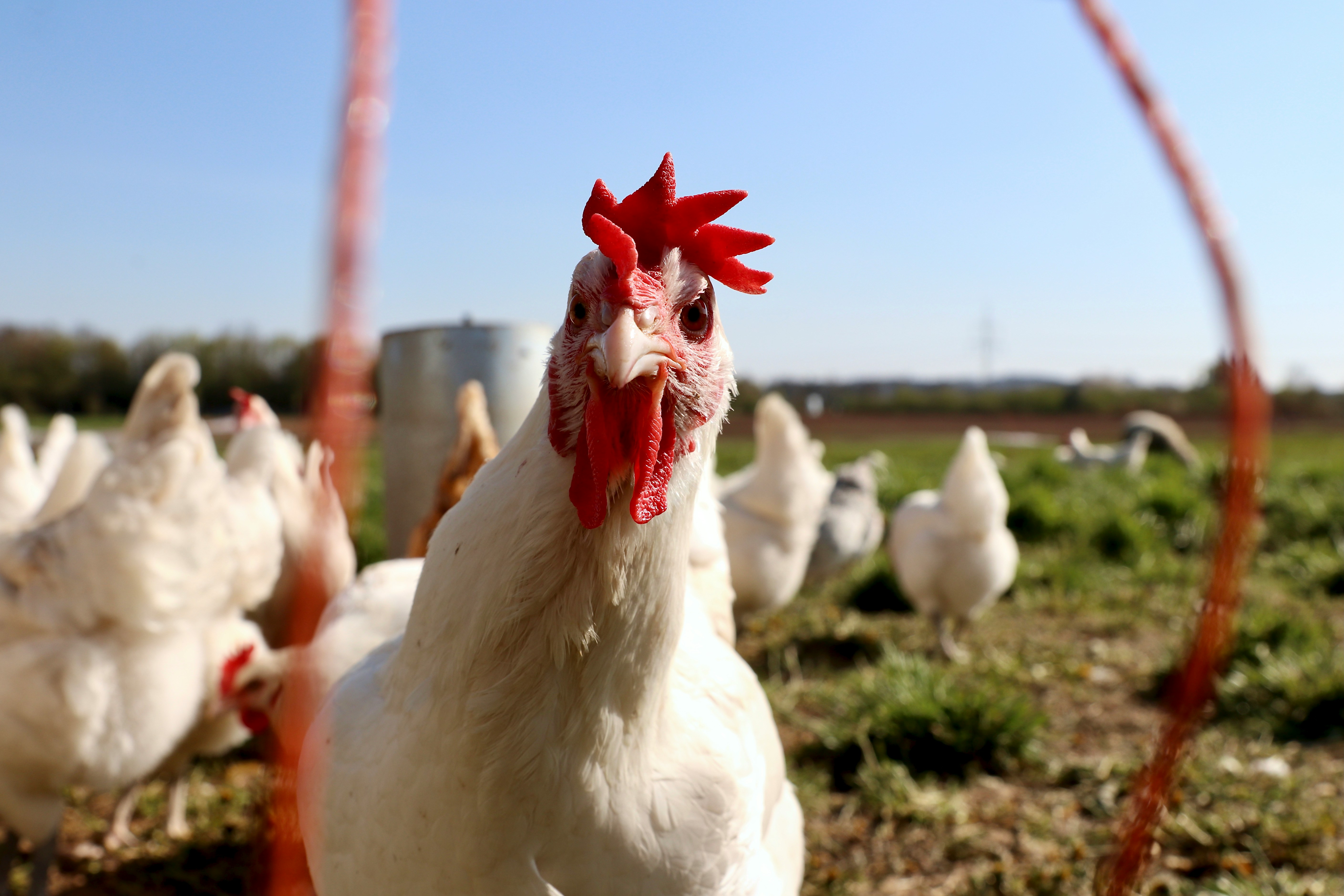
Photo by Finn Mund on Unsplash

Existing antiviral baloxavir appears to be effective at treating bird flu, according to international researchers who tested the drug in infected mice. The team compared the effectiveness of baloxavir with oseltamivir (the current standard treatment for influenza) in mice who were infected with the harmful H5N1 strain through infected milk, to mimic usual infections. They found Baloxavir improved disease outcomes with survival rates of mice infected through the mouth, nose and eyes reaching up to 25%, 75% and 100%, respectively, whereas mice treated with oseltamivir experienced lower survival rates, with mouth, nose and eye infection reaching up to 25%, 40% and 63%, respectively. While further research is required, the team suggests that baloxavir could be considered, along with the current standard oseltamivir, for potential treatment of severe H5N1 infections in humans.

News release

From: Springer Nature

1. Virology: FDA-approved antiviral improves bird flu outcomes in mice
The FDA-approved antiviral baloxavir is found to improve disease outcomes in mice infected with avian influenza A (H5N1) virus, compared with the current standard treatment of oseltamivir. The findings are published in Nature Microbiology.

The highly pathogenic H5N1 virus — commonly known as bird flu — has been detected in 68 humans across the United States as of February 2025, with most of the individuals having been in contact with infected animals. H5N1 has also been detected in dairy cows, which increases the risk of human infection through contaminated raw milk, such as through droplet inhalation, droplets splashing into the eyes or consumption. Current treatment options for H5N1 are limited to existing influenza drugs, such as oseltamivir. However, the effectiveness of these treatments in humans is unclear owing to the severity of the disease, which has prevented human studies.

Richard Webby and colleagues compared the effectiveness of oseltamivir and baloxavir treatment in mouse models of H5N1 infection. Mice were infected with contaminated cow’s milk to mimic typical exposure routes through the mouth, nose and eyes. Mice were treated with either oseltamivir twice a day for 5 days or a single dose of baloxavir. Baloxavir treatment was found to improve disease outcomes, with survival rates of mice infected through the mouth, nose and eyes reaching up to 25%, 75% and 100%, respectively, whereas mice treated with oseltamivir experienced lower survival rates, with mouth, nose and eye infection reaching up to 25%, 40% and 63%, respectively. Webby and colleagues found that orally infected mice were more difficult to treat with either drug and suggest that this is likely due to the virus’s ability to spread faster through the gastrointestinal tract.

Although further testing is required, the authors suggest that baloxavir could be considered, in addition to oseltamivir, for the potential treatment of severe H5N1 infections in humans.

Attachments

Note: Not all attachments are visible to the general public. Research URLs will go live after the embargo ends.

Research Springer Nature, Web page The URL will go live after the embargo lifts.
Journal/
conference:
Nature Microbiology
Research:Paper
Organisation/s: St. Jude Children’s Research Hospital, USA
Funder: This study was conducted with federal funds from the National Institute of Allergy and Infectious Diseases, National Institutes of Health, Department of Health and Human Services, contract no. 75N93021C00016 (R.J.W.). The content in this manuscript is solely the responsibility of the authors and does not necessarily represent the official views of the National Institutes of Health.
Media Contact/s
Contact details are only visible to registered journalists.