 Sign In



Attachments
Note: Not all attachments are visible to the general public. Research URLs will go live after the embargo ends.

 Australia; International
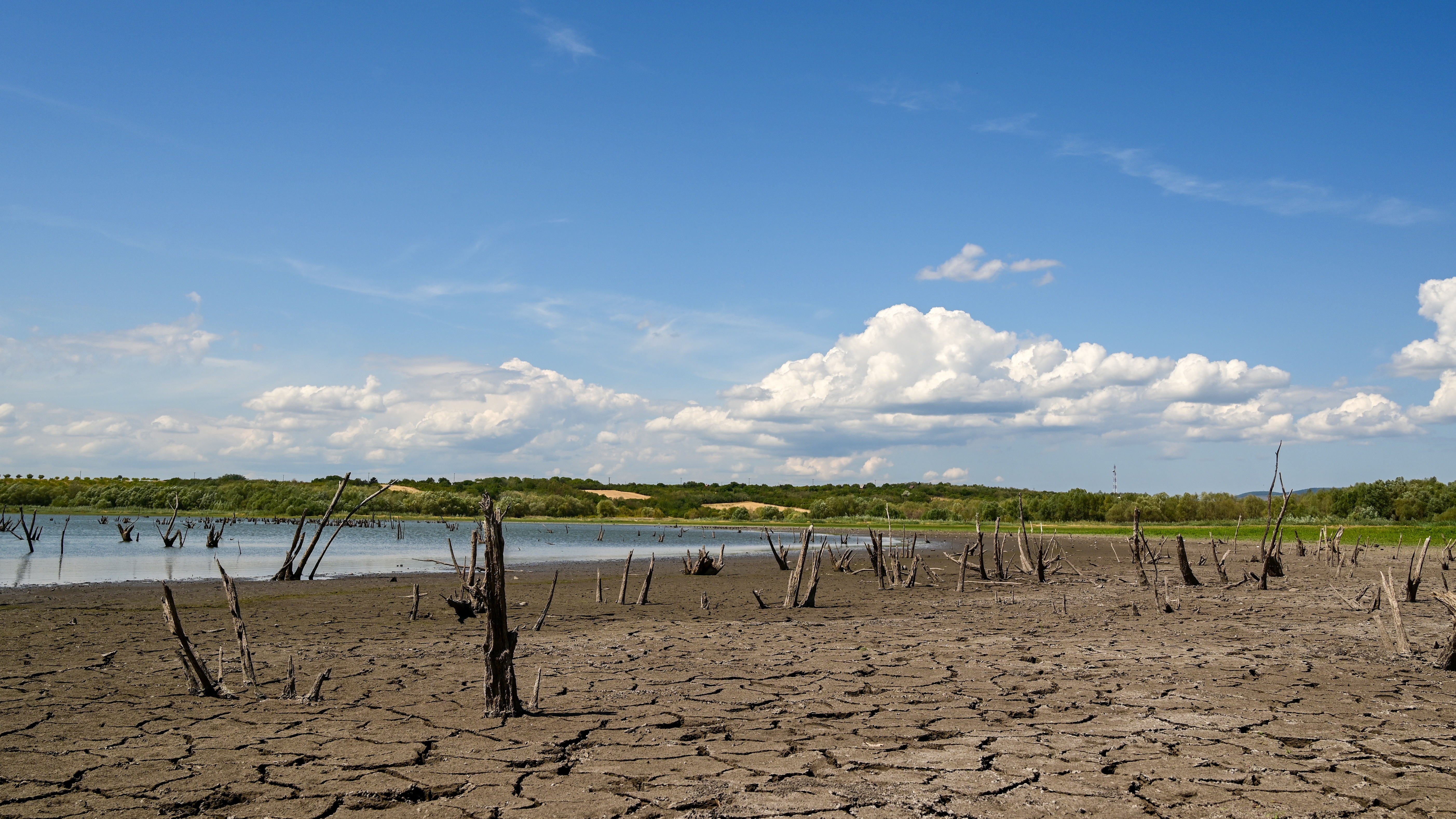
International researchers have developed an early warning system to help protect biodiversity, which should be able to help conservation efforts in the near future, rather than the current systems that look decades ahead. The team combined nine-month seasonal weather forecasts with species-specific maximum temperature limits - how much heat a species can handle before running into trouble or dying off. They say they were able to predict that over 3,500 vertebrate (backboned) species, including over 1,250 classified as species of concern, would be exposed to extreme temperatures, on average, between one and two months in advance. This kind of advance notice could help us rapidly react to monitor and mitigate these extreme events for species and regions, including those in Australia, that are sensitive to heat.
Note: Not all attachments are visible to the general public. Research URLs will go live after the embargo ends.

