Droughts linked to increase in sexual violence against women in low- and middle-income countries

Publicly released:
Australia; International; WA
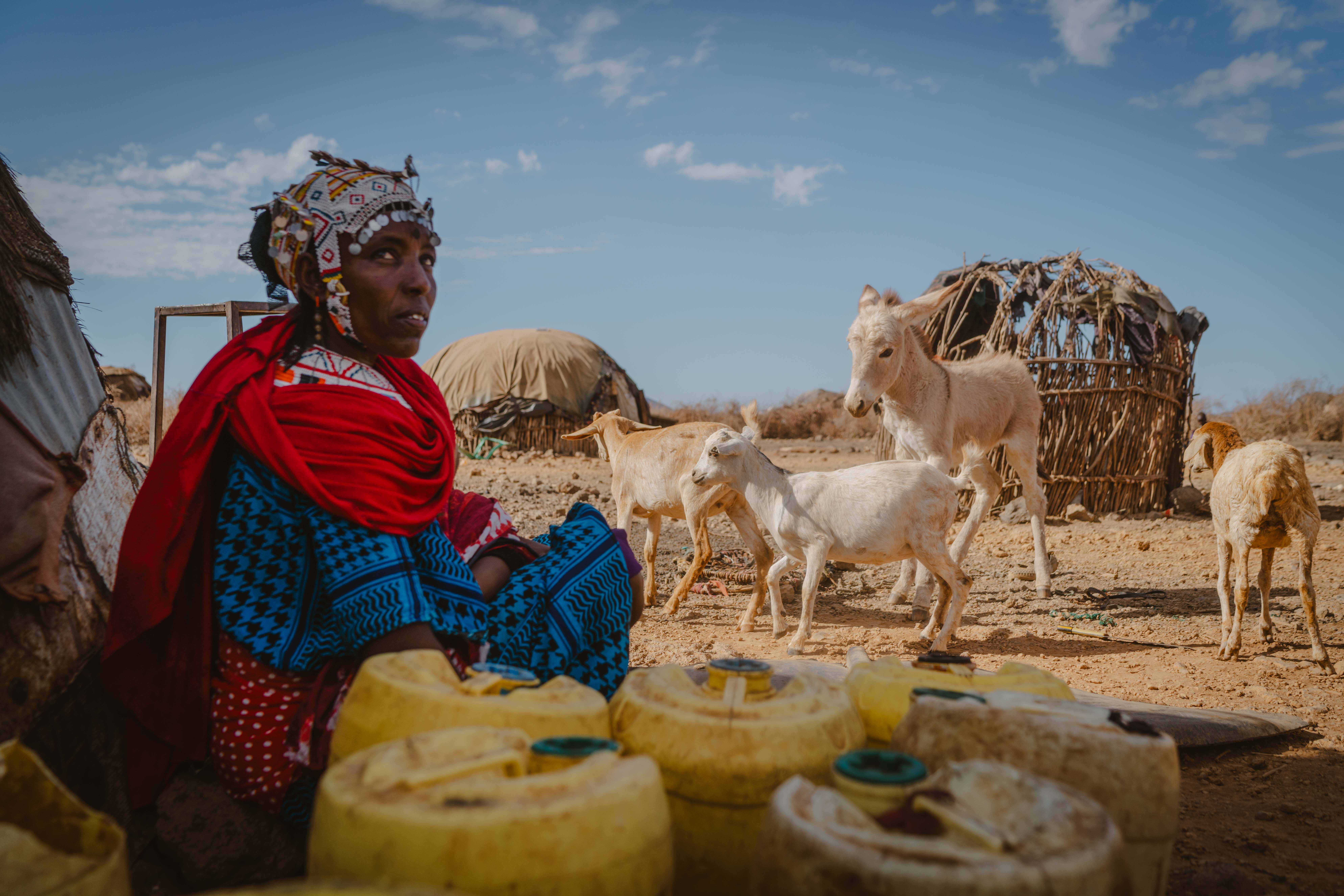
Image Caption: Dukano Kelle collecting her jerry cans to fetch water in Kambinye Kenya on the 15th of October 2024   Image Credit: Fredrik Lerneryd/Oxfam, CC-BY 4.0 (https://creativecommons.org/licenses/by/4.0/)
Image Caption: Dukano Kelle collecting her jerry cans to fetch water in Kambinye Kenya on the 15th of October 2024 Image Credit: Fredrik Lerneryd/Oxfam, CC-BY 4.0 (https://creativecommons.org/licenses/by/4.0/)

Australian and international researchers suggest that exposure to prolonged and extreme drought has been linked to higher odds of sexual violence against adolescent girls and young women in low- and middle-income countries. The research included survey data from over 35,000 females aged 13 to 24 from 14 countries in Central and South America, sub-Saharan Africa, Southeast Asia, and Eastern Europe. The researchers compared the responses against data from a global drought measuring tool in the 48-month period before the surveys. They found exposure to prolonged and extreme drought,  lasting 8–43 months in a 48-month period, was associated with higher odds of sexual violence. Very dry periods were also linked to increased odds of experiencing sexual violence.

Journal/
conference:
PLOS Global Public Health
Research:Paper
Organisation/s: Curtin University, The Kids Research Institute Australia
Funder: Funding from the Healthy Environments and Lives (HEAL) Network - National Health and Medical Research Council Special Initiative in Human Health and Environmental Change (Grant No. 2008937 to LH and IH) supported this work. One author receives salary support from the HEAL Network (2008937 to LH). AM receives funding from the Australian Government through the Australian Research Council Centre of Excellence for the Elimination of Violence Against Women (project number CE230100004 to AM).
Media Contact/s
Contact details are only visible to registered journalists.