 Sign In



 Australia; WA
News release
From:
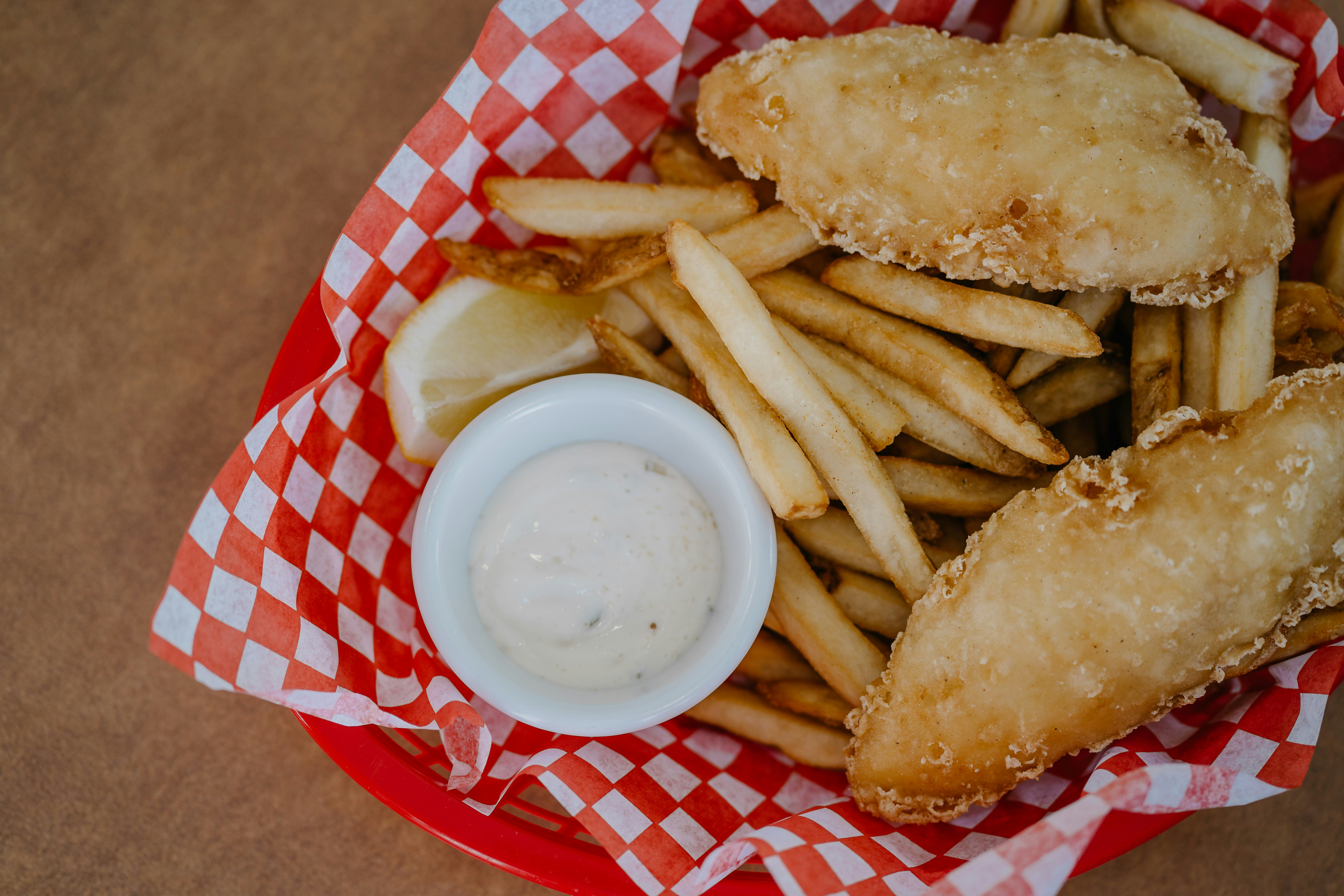
Shark products sold at Western Australian fish and chip shops are often labelled too ambiguously or, in some cases, mislabelled, leaving consumers not knowing which species they are buying, new Murdoch University research shows.
Using DNA testing, researchers from Murdoch University’sCentre for Sustainable Aquatic Ecosystems, Environmental and Conservation Sciences, in collaboration with the Department of Primary Industries and Regional Development (DPIRD), analysed 167 cooked shark products purchased from 132 fish and chip shops across Western Australia.
The study found that 56% of products were sold under ambiguous labels such as “shark”, “flake” or “fish and chips”, while 35% were mislabelled, meaning the species advertised did not match the species identified through genetic testing.
Lead author and Murdoch University researcher Dr Md Robiul Hasan said the findings highlight a lack of transparency in seafood labelling that made it difficult for consumers to make informed choices.
“Consumers increasingly want to know what species they are eating, where it comes from and whether it has been sourced sustainably,” Dr Hasan said.
“Our results show that this information is often unavailable or inaccurate when it comes to cooked shark products sold in fish and chip shops in WA.”
Researchers used DNA sequencing to identify species from cooked ‘shark’ fillets purchased between March 2023 and February 2024, identifying 16 different species, including 11 shark species.
The study found that products sold simply as “shark” comprised a range of species, including dusky, gummy and whiskery sharks. Products sold under species-specific names such as “gummy shark” or “bronze whaler” did not always contain that species.
Only 26% of products purchased provided information about where the seafood originated, further limiting consumers’ ability to make informed purchasing decisions.
Importantly, Dr Hasan said the findings do not necessarily indicate deliberate deception.
“Many of the species identified in this study have similar commercial values, so mislabelling may reflect the complexity of commercial fishing, seafood processing and supply chains rather than intentional substitution,” Dr Hasan said.
The authors say stronger seafood labelling requirements could improve transparency across Australia's seafood supply chain.
“Clearer labelling would help consumers understand exactly what they are buying and support informed decisions about sustainability, health and seafood provenance,” Dr Hasan said.
The researchers recommend measures including mandatory use of standard fish names for cooked seafood products, origin disclosure and routine DNA auditing to improve labelling accuracy.
While international conservation assessments classify some of the identified species as threatened globally, the study found only one sample contained a species listed as threatened under Australian conservation assessments. The researchers note that most of the shark products sampled appeared to originate from species associated with Western Australia's managed shark fisheries.
The researchers also found that the shark species being sold in Western Australia differed from those reported in similar studies conducted elsewhere in Australia, highlighting the importance of regional monitoring and testing.
The paper, Revealing the species behind the label: DNA testing of cooked shark fillets in Western Australia, is published in Marine and Freshwater Research.

