 Sign In



 Australia; International; SA
News release
From:
Trafficked pangolin DNA reveals hotspots of illegal wildlife trade
Gene-capture isolates DNA that tracks illegal trade routes and hotspots
Small samples of DNA can reveal hotspots and trade routes in the illegal wildlife trade, according to a study published May 7th in the open-access journal PLOS Biology by Sean Heighton and Philippe Gaubert of the University of Toulouse and the Institut de Recherche pour le Développement, France and colleagues.
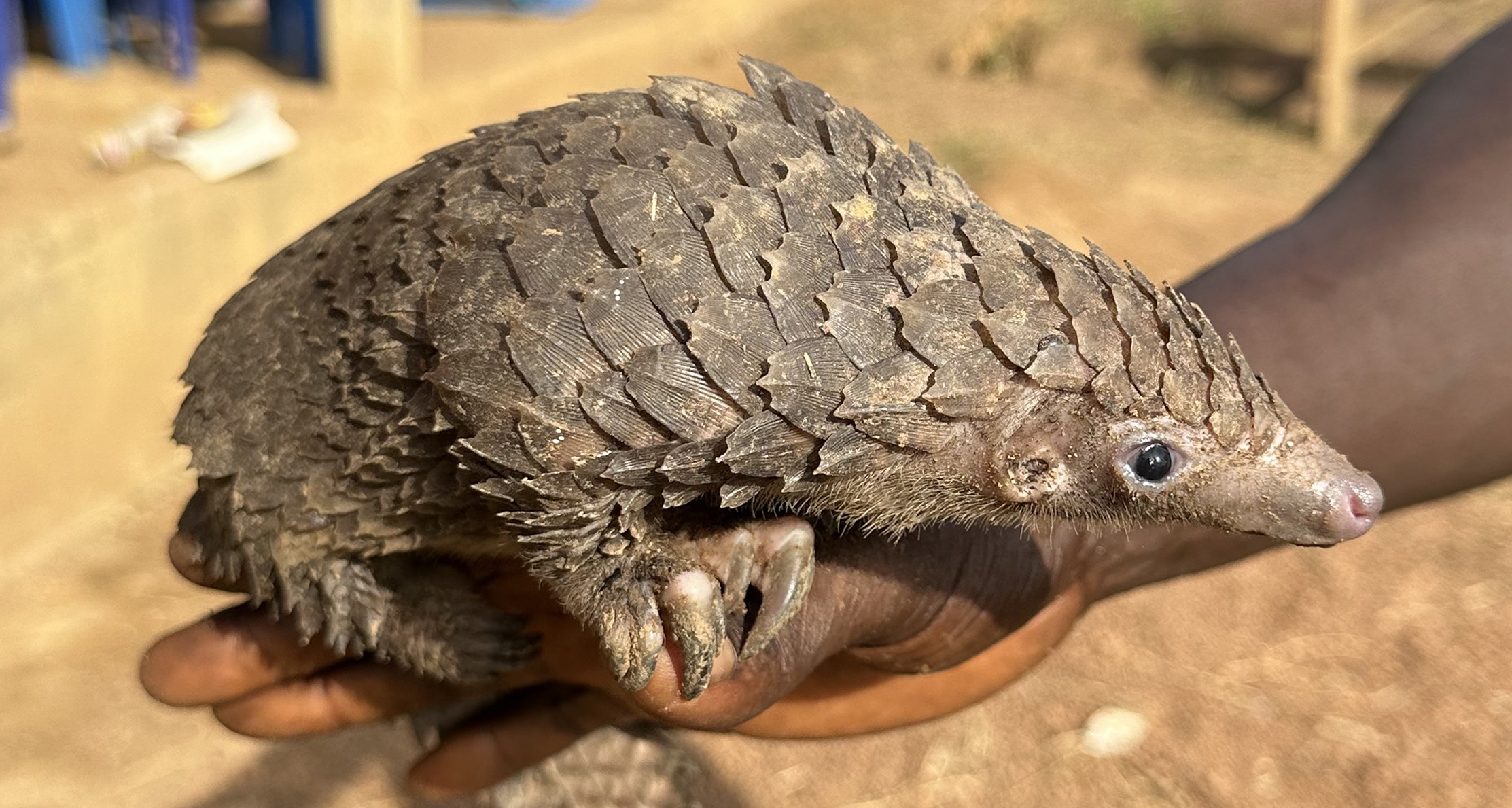
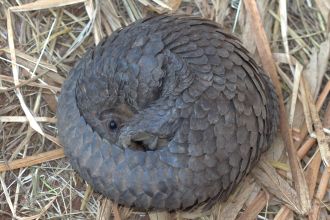
Pangolins are among the most prominent victims of illicit wildlife trafficking, accounting for nearly a third of recorded international seizures in recent years. In many places, their meat and scales are prized for food and traditional medicine. Genetic data can be valuable for tracing trafficked animals to their place of origin, but this method is hindered by difficulties in obtaining genetic samples of pangolins. In this study, Heighton and colleagues overcame this barrier by employing a gene-capture method to recover usable genomic information from degraded pangolin samples.
The team sequenced DNA from more than 700 samples of Sunda, Chinese, and white-bellied pangolins from museum collections, field-sites, bushmeat markets, and international trade seizures. Using the genetic data from samples of known geographic origin (museum and field specimens), the authors built a genomic “reference map” which helped them to trace each trafficked pangolin back to its likely origin. These data revealed several hotspots of illegal pangolin collection, including southwest Cameroon, Myanmar, and several localities across Africa. The genetic record also tracks major trade routes across the borders of China and between Indonesian islands. Crucially, the results also pinpoint wild populations that are exploited for both domestic and international trade, revealing the interconnectedness of these markets.
This sampling technique has great potential for tracking the illegal wildlife trade, but genetic material remains limited. The authors propose that a more detailed DNA database of trafficked animals could be developed with the establishment of standardized genetic sampling protocols, shared tools, and greater data integration between wildlife trade tracing initiatives worldwide, for pangolins as well as other trafficked species.
Gaubert adds, “Integrating archival museum material with newly collected field and seizure samples enabled us to bridge long-standing gaps in geographic coverage and strengthen the accuracy of pangolin trade tracing.”
Heighton notes, “We’ve shown that it’s possible to trace trafficked pangolins back to their geographic origin with remarkable precision—sometimes to within just a few kilometers. This enables more efficient, intelligence-driven conservation by directing limited resources toward key poaching hotspots, whereby a range of targeted interventions can be employed to disrupt illegal trade networks.”
Heighton states, “One of the most exciting aspects of this work is that we developed a single gene-capture kit that works across all eight pangolin species and on degraded museum specimens, making genomic tracing more accessible, scalable, and practical for real-world pangolin conservation and forensic use.”
Gaubert concludes, “One of the most striking findings was that domestic pangolin trade is largely local, but it overlaps with the same sourcing regions that supply international trafficking—revealing a connected supply chain rather than separate markets.”
Multimedia

Attachments
Note: Not all attachments are visible to the general public. Research URLs will go live after the embargo ends.


