 Sign In



 Australia; VIC; QLD
News release
From:
Researchers from La Trobe University, Monash University and QUT have discovered a way to “rev up” T cells, potentially increasing the scope and success of T cell-based immunotherapy.
The research, published in Nature Communications was co-led by Professor Stephanie Gras with Dr Chris Szeto from La Trobe University, Dr Pirooz Zareie and Professor Nicole La Gruta from Monash University, and Dr Stephen Daley from QUT, identifies a new mechanism by which T cells can react to lower doses of antigens.
The research group discovered a previously unobserved immune interaction “which had remained invisible because the level of T cell activation was above a threshold that generally results in those T cells being ‘deleted’ from the immune system,” Dr Zareie said.
The researchers found a novel biochemical mechanism by which T cells are ‘deleted’ before they can fully mature.
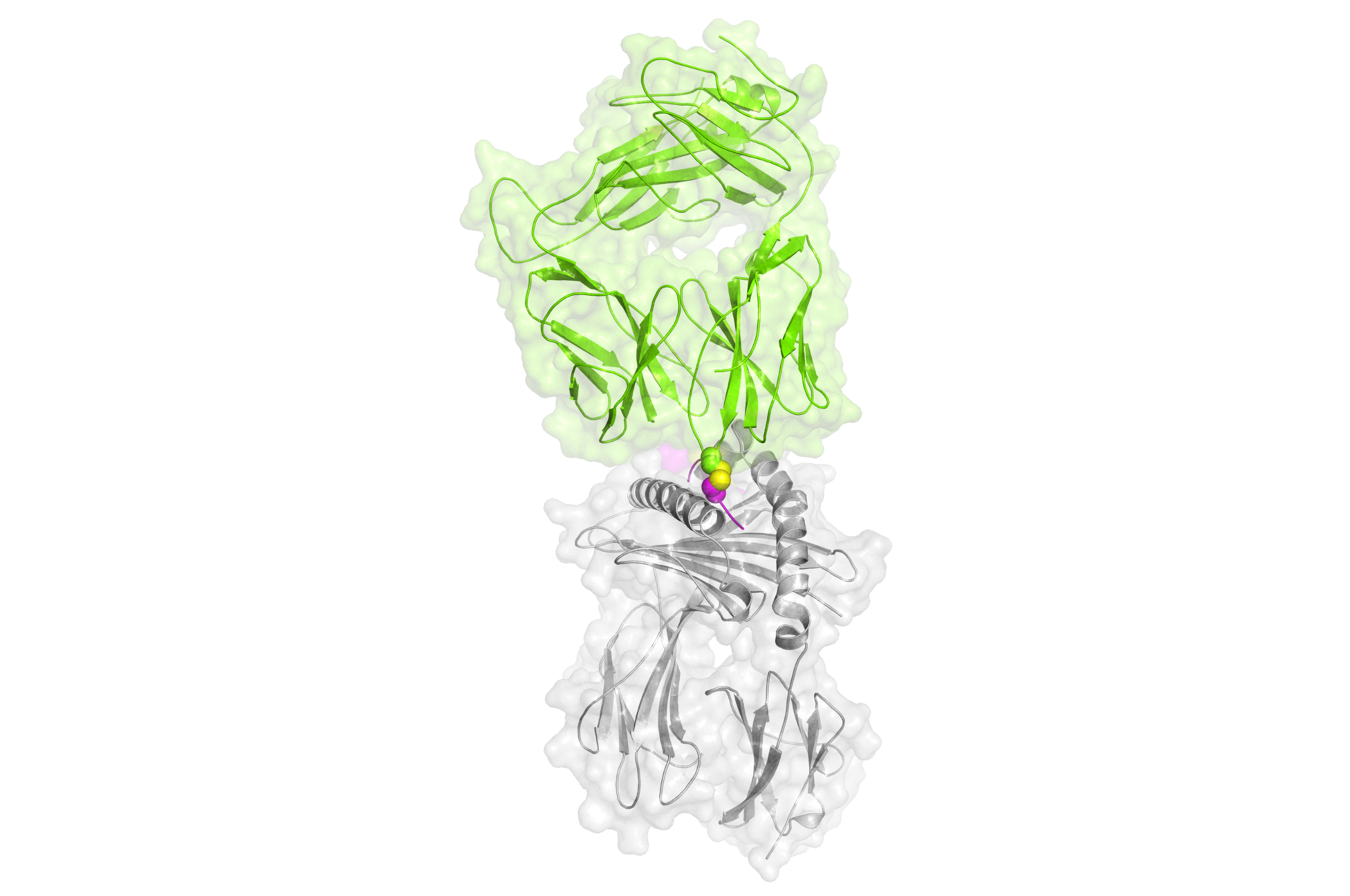
“We performed comprehensive biochemical affinity-based measurements and observed the formation of a covalent bond between antigens and T cell antigen receptors” said Dr Szeto. In collaboration with the Australian Synchrotron, “we confirmed the presence of a disulphide bond using X-ray crystallography,” Professor Gras said.
“We provide functional evidence that this covalent interaction results in a 50-fold increase in T cell activation sensitivity,” Dr Zareie said.
“This discovery came from basic research on the thymus, which is an organ that tailors the immune system to fit its host. Immunotherapy was not on our radar when we started this work, but now we can see how this natural mechanism might be co-opted in future treatments for cancer and autoimmune disease,” Dr Daley said.
About the La Trobe Institute for Molecular Science
Professor Stephanie Gras is the Deputy Director for the La Trobe Institute for Molecular Science (LIMS). LIMS is dedicated to delivering translatable molecular discoveries at the interface of health and science. By bringing together La Trobe University’s leading researchers we support a cross-discipline collaborative culture and state-of-the-art research facilities. Scientists from diverse disciplines work together to achieve remarkable outcomes that would not be possible in traditional academic settings. Our high impact research generates collaborations and partnerships within Australia and internationally.
About the Monash Biomedicine Discovery Institute
Committed to making the discoveries that will relieve the future burden of disease, the Monash Biomedicine Discovery Institute at Monash University brings together more than 120 internationally-renowned research teams. Spanning seven discovery programs across Cancer, Cardiovascular Disease, Development and Stem Cells, Infection, Immunity, Metabolism, Diabetes and Obesity, and Neuroscience, Monash BDI is one of the largest biomedical research institutes in Australia. Our researchers are supported by world-class technology and infrastructure, and partner with industry, clinicians and researchers internationally to enhance lives through discovery.

