 Sign In



 International
News release
From:
Rapid Evolution of Prehistoric Dogs from Wolves by Natural and Sexual Selection Emerges from an Agent-Based Model
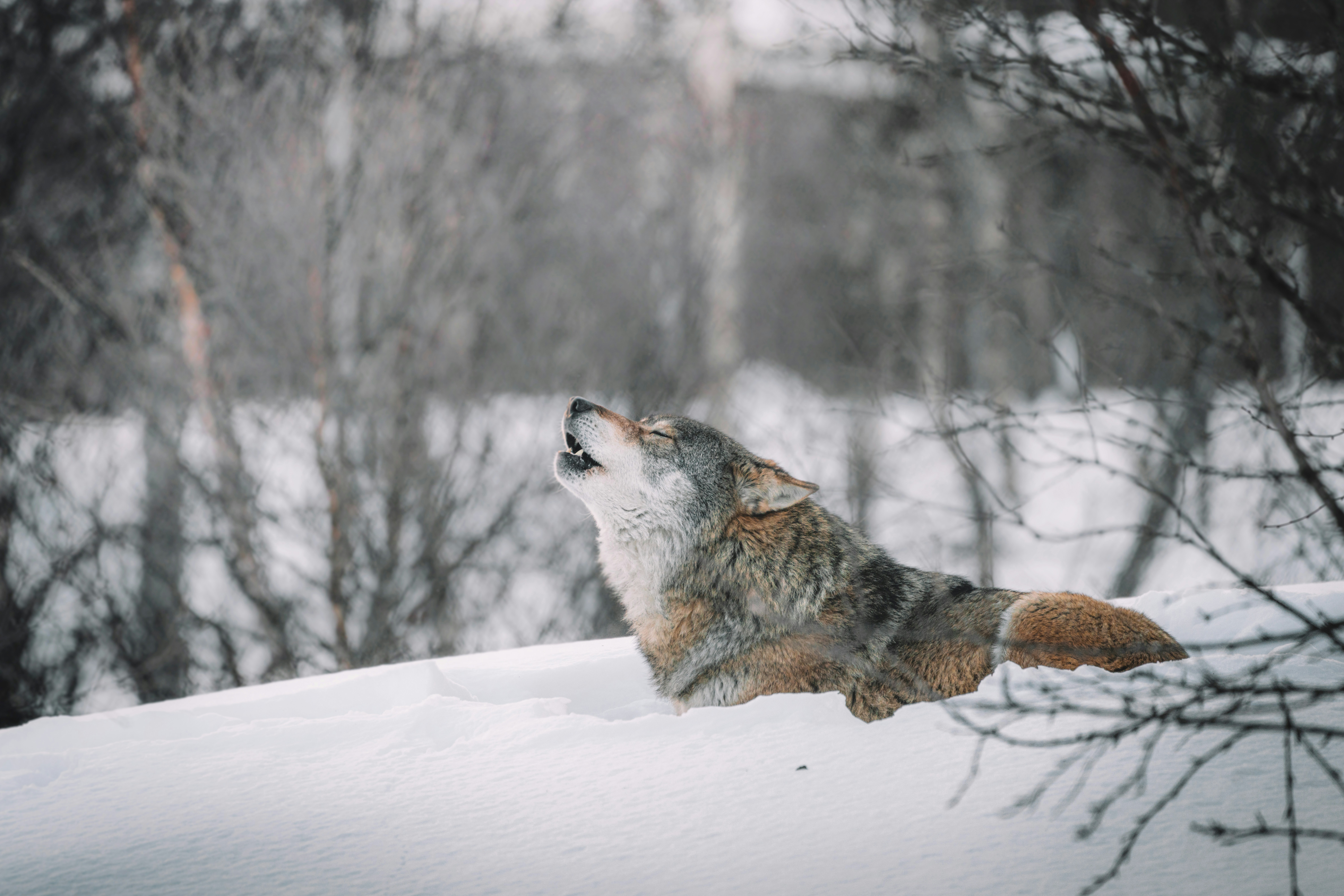
Scientists have long debated how wolves evolved into dogs. The traditional view is humans bred wolves for docility, but a competing idea suggests wolves may have "self-domesticated." Friendly wolves that tolerated humans had better access to human food scraps and thrived, naturally selecting for tameness. Critics argue this process might take too long, but our new computer simulation challenges that. Using an evolutionary agent-based model, we tested whether wolves could develop human tolerance quickly enough through natural selection and mate preferences. The results suggest that self-domestication is plausible, meaning wolves may have played a bigger role in their own evolution into dogs.
Do(mesticate) it Yourself - Wolves could have contributed to their own domestication into dogs. An alternative to the prevailing theory, that humans selectively-bred docile wolves, argues wolves could have self-domesticated as tamer individuals could access more food from human settlements. However, critics argue this could not occur in so short a time span. This model suggests wolves could plausibly develop human tolerance quick enough to play a role in their own evolution into dogs.
Attachments
Note: Not all attachments are visible to the general public. Research URLs will go live after the embargo ends.


