Contact tracing app for sick chooks

Publicly released:
International
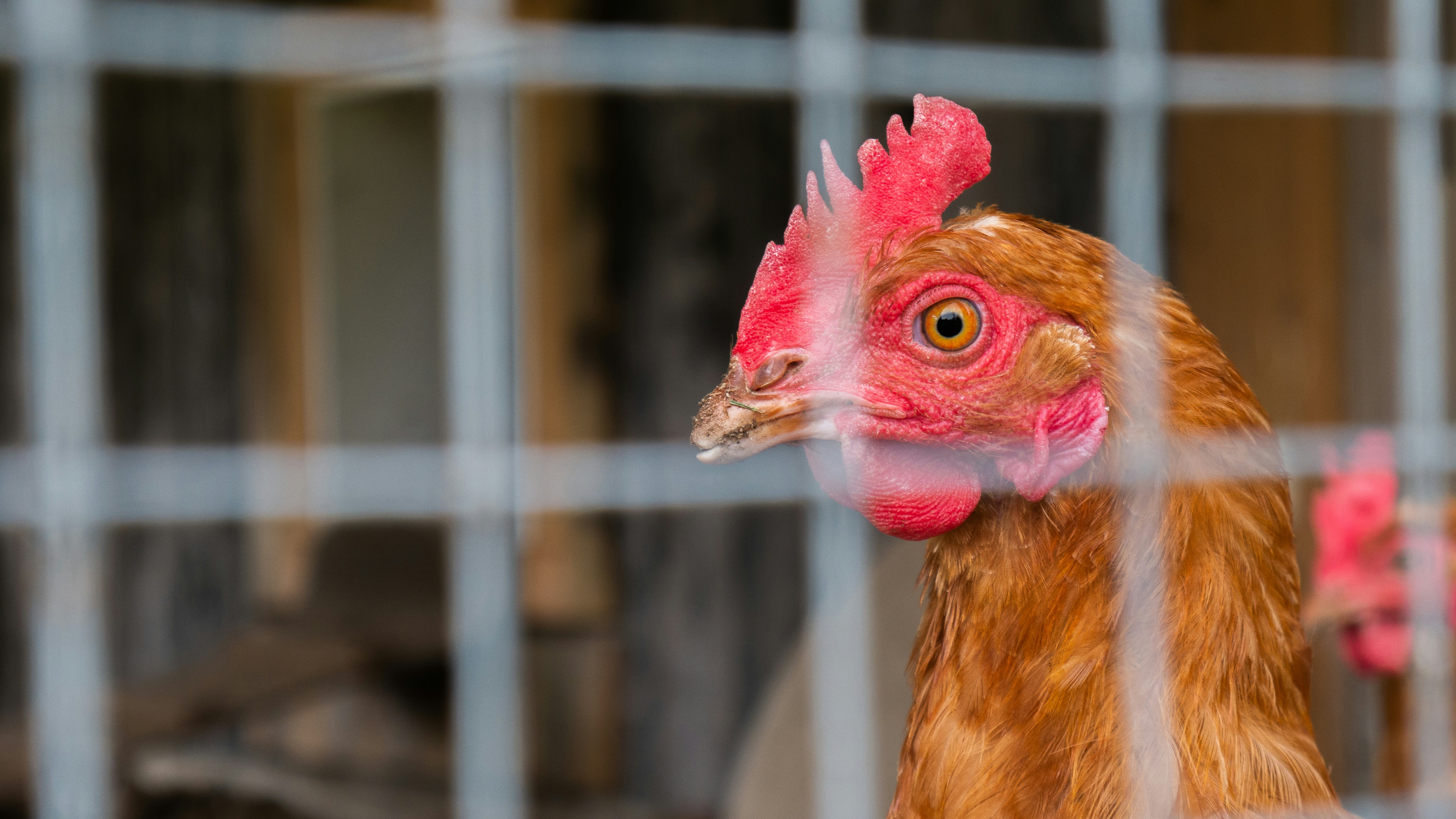
Photo by Brittany Clark on Unsplash

Researchers have built an online app to model bird flu spread among farmed birds. They analysed changes in daily deaths among chickens, ducks, and turkeys, from 63 outbreaks in The Netherlands and France between 2014 and 2022, and estimated the time of first infection, which ranged from 3 to 20 days before mortality rates peaked. The authors say that standard contact tracing windows could be shortened to conserve resources or extended to capture the infection source for different outbreaks based on this information. They suggest their app could be used by vets in real time, for efficient contact tracing during outbreaks among unvaccinated birds.

Media release

From: The Royal Society

Swiftly controlling the spread of highly pathogenic avian influenza viruses in poultry is critical. To achieve this, one tool that is used by official veterinarians is tracing contacts to and from an outbreak farm to early detect and control the infection in connected farms. We developed an online application linked to a mathematical model that estimates the optimal time window for contact tracing in each specific case. This tool, developed on a large diversity of contexts, can be used by official veterinarians in real-time during an epidemic to optimise contact tracing.

Attachments

Note: Not all attachments are visible to the general public. Research URLs will go live after the embargo ends.

Research The Royal Society, Web page
Journal/
conference:
Journal of the Royal Society Interface
Research:Paper
Organisation/s: Wageningen Bioveterinary Research (The Netherlands)
Funder: This study was performed in the framework of the ‘Chair for Avian Health and Biosecurity’, hosted by the National Veterinary School of Toulouse and funded by the Direction Générale de l’Alimentation, Ministère de l’Agriculture, de la Souveraineté alimentaire et de la Forêt, France. The Dutch contribution to this study was supported by the Dutch Ministry of Agriculture, Nature and Food Quality (Veterinary Epidemiology and Risk Analysis project WOT-01-002-042). The funders had no role in the design of the study; in the collection, analyses or interpretation of data; in the writing of the manuscript or in the decision to publish the results.
Media Contact/s
Contact details are only visible to registered journalists.