 Sign In



 International
News release
From:
Mathematical Modeling Suggests Kids Half as Susceptible to COVID-19 as Adults
New findings could deepen understanding of spread and inform public health policies
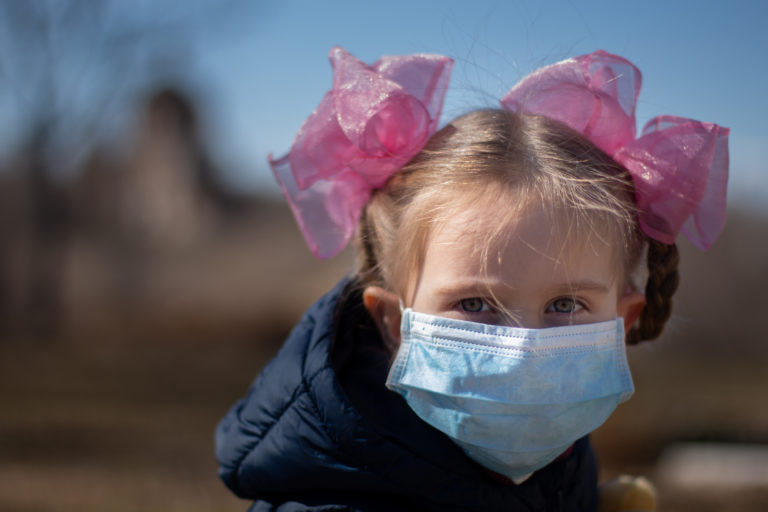
A new computational analysis suggests that people under the age of 20 are about half as susceptible to COVID-19 infection as adults, and they are less likely to infect others. Itai Dattner of the University of Haifa, Israel, and colleagues present these findings in the open-access journal PLOS Computational Biology.
Earlier studies have found differences in symptoms and the clinical course of COVID-19 in children compared to adults. Others have reported that a lower proportion of children are diagnosed compared to older age groups. However, only a few studies have compared transmission patterns between age groups, and their conclusions are not definitive.
To better understand susceptibility and infectivity of children, Dattner and colleagues fitted mathematical and statistical models of transmission within households to a dataset of COVID-19 testing results from the dense city of Bnei Brak, Israel. The dataset covered 637 households whose members all underwent PCR testing for active infection in spring of 2020. Some individuals also received serology testing for SARS-CoV-2 antibodies.
By adjusting model parameters to fit the data, the researchers found that people under 20 are 43 percent as susceptible as people over 20. With an infectivity estimated at 63 percent of that of adults, children are also less likely to spread COVID-19 to others. The researchers also found that children are more likely than adults to receive a negative PCR result despite actually being infected.
These findings could explain worldwide reports that a lower proportion of children are diagnosed compared to adults. They could help inform mathematical modeling of COVID-19 dynamics, public health policy, and control measures. Future computational research could explore transmission dynamics in other settings, such as nursing homes and schools.
“When we began this research, understanding children’s role in transmission was a top priority, in connection with the question of reopening schools,” Dattner says. “It was exciting to work in a large, multidisciplinary team, which was assembled by the Israeli Ministry of Health to address this topic rapidly.”
Attachments
Note: Not all attachments are visible to the general public. Research URLs will go live after the embargo ends.


