 Sign In



 Australia; VIC
News release
From:
Research at a Glance:
- A Murdoch Children’s Research Institute led study has found children with COVID-19 can be treated safely at home, helping to take the burden off the hospital system
- The research reported COVID-positive children with moderate symptoms or pre-existing high-risk conditions were treated effectively in The Royal Children Hospital’s Hospital-in-the-Home (HITH) program
- The findings recorded a 21 per cent increase in all patients admitted to HITH care during the first two years of the pandemic and a 132 per cent jump in telehealth appointments, with many children avoiding hospitalisation altogether
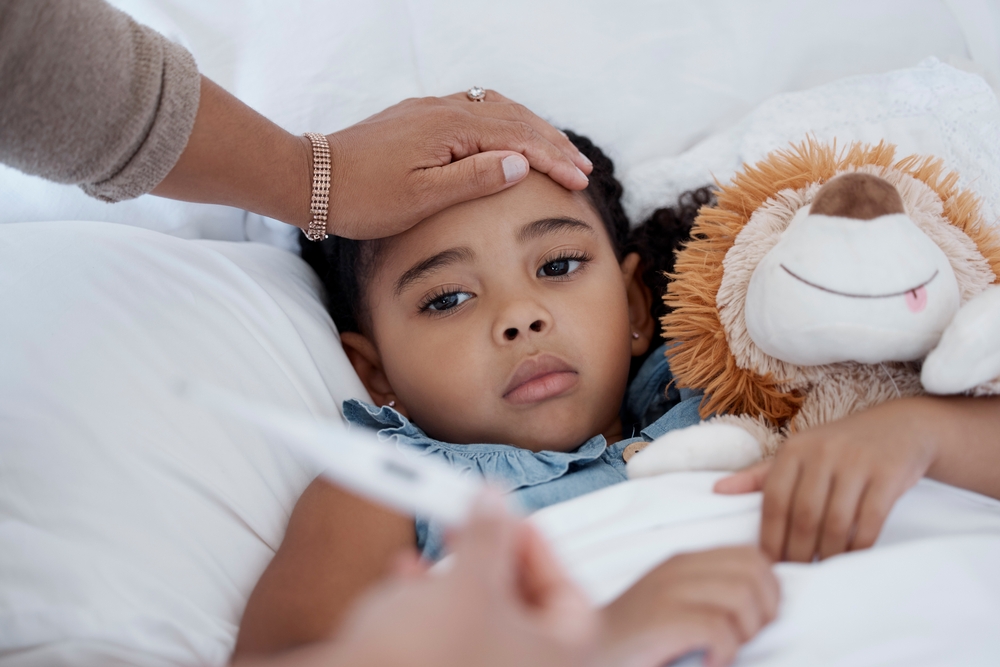
Children with COVID-19 can be treated safely at home, helping to take the burden off the hospital system, according to a new study.
The research, led by Murdoch Children’s Research Institute and published in Archives of Disease in Childhood, found COVID-positive children with moderate symptoms or pre-existing high-risk conditions could be treated effectively via a Hospital-in-the-Home (HITH) program. Additionally, many more sick children without COVID-19 were treated at home during the pandemic.
Murdoch Children’s Dr Laila Ibrahim said the program took pressure off paediatric emergency departments and helped reduce COVID-19 transmission in hospital during the first two years of the pandemic.
“Children do better if it’s possible to manage them at home and the infectious nature of SARS-CoV-2 increased the imperative to try to keep children out of hospital,” she said.
“These findings reassure us that care at home has been safe and effective regardless of COVID strain and this takes the burden off inpatient care.”
The study involved 3719 children, aged 0-18 years, referred from The Royal Children’s Hospital or the Victorian Department of Health to HITH care from March 2020 to March 2022. It found 421 children with COVID-19 and 3,298 children without COVID-19 received treatment at home, many avoiding hospitalisation altogether.
Of the COVID positive patients, 63 per cent were high risk and 33 per cent were moderately unwell. Only 10 per cent of children were readmitted to hospital with just 5 per cent needing medical intervention.
The research recorded a 21 per cent increase in patients admitted to the HITH program and a 132 per cent jump in telehealth appointments.
Murdoch Children’s Associate Professor Penelope Bryant said prior to the COVID-19 pandemic, treatment of children in out-of-hospital settings as an alternative to hospitalisation was increasingly in demand.
“The benefits of being treated in the home care include improved child quality of life, higher parent satisfaction and avoidance of hospital-acquired infections. We advocate that where possible children should be cared for at home rather than hospital, knowing the severe impact of the pandemic on children’s mental health,” she said.
Researchers fromThe Royal Children’s Hospital and the University of Melbourne also contributed to the research.
Publication: Penelope A. Bryant, Joanna Lawrence, Suzanne L. Boyce, Catherine M. Simpson, Gemma Sinclair, Candie Chong, Phillipa Lewis, Stephanie Lee, Rebecca Hughes, Samuel Dalton, Cara Lacey, Lauren C. Nisbet, Tessa E. Smith, Sarah Chapman, Swathi Lakshminarayanan, Kahlia Hurd, Katie Smith, Brenda Savill and Laila F. Ibrahim. ‘Hospital bed-replacement for acute care of children at home during the COVID-19 pandemic through a Hospital-in-the-Home program,’ Archives of Disease in Childhood. DOI: 10.1136/archdischild-2022-325004
*The content of this communication is the sole responsibility of the Murdoch Children’s and does not reflect the views of the NHMRC.
Available for interview:
Associate Professor Penelope Bryant, Murdoch Children’s Group Leader, Infection and Immunity
Dr Laila Ibrahim, Murdoch Children’s Clinician Scientist Fellow, Infection and Immunity

