 Sign In



 International
News release
From:
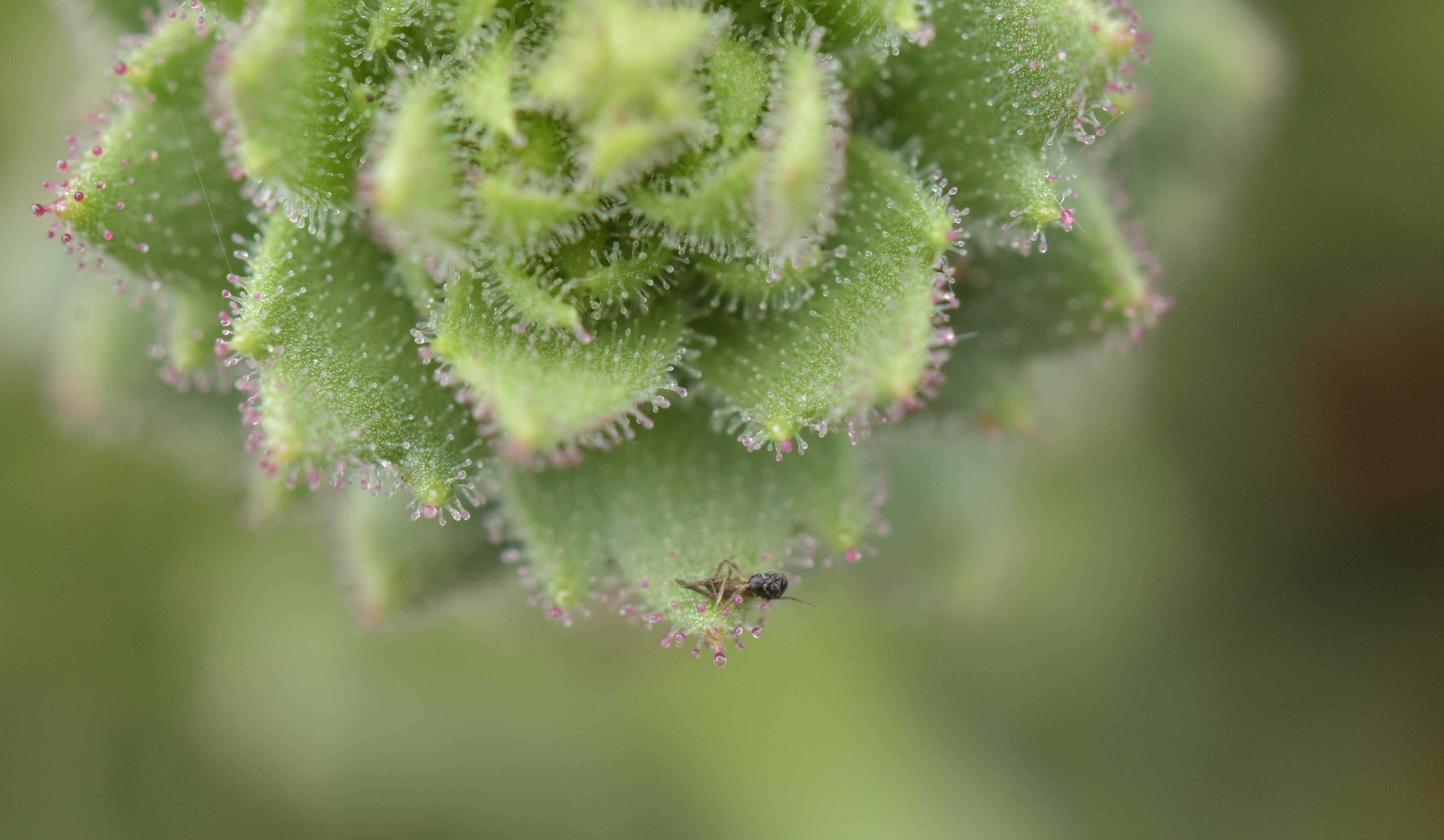
A flowering plant has been confirmed as a new carnivorous lineage, according to research published in Nature Communications. The findings show that Saxifraga candelabrum can attract, trap, and digest insects, and absorb nitrogen from them, supporting a prediction made by Charles Darwin more than 150 years ago.
Whilst many plants exhibit carnivorous traits such as prey capture, to be formally classed as carnivorous, they must show adaptations for attracting and catching, digesting, and absorbing nutrients from prey. In 1875 Charles Darwin posited that some species from the Saxifraga genus — a group of flowering plants typically found in alpine environments — may be carnivorous due to their possession of sticky glandular hairs that can trap insects. However, there has been a lack of conclusive evidence to support this hypothesis.
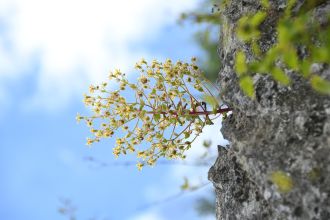
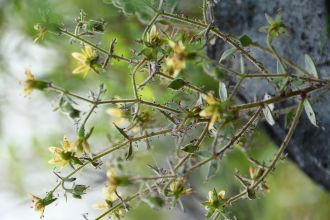
Hang Sun colleagues studied S. candelabrum, which grows in alpine areas of the Qinghai-Tibet Plateau-Hengduan Mountains, China. Field observations and surveys of existing plant samples showed that insect prey were present on the glandular hairs of 43 out of 45 surveyed specimens, with mature plants displaying an average of 71 trapped insects in total (predominately found on these hairs). The authors then looked for evidence of digestion and nutrient absorption to consolidate their hypothesis. Fluorescence tagging was used to identify phosphatase activity (a digestive enzyme commonly found in carnivorous plants) suggesting that the plant can potentially digest prey. Drosophila labelled with a stable form of nitrogen were then fed to the plant to analyse whether it was able to absorb nutrients from prey. The authors observed a notable rise in labelled nitrogen levels amongst S. candelabrum and control plants from another carnivorous species, in contrast to non-carnivorous controls, supporting the hypothesis of carnivorous behaviour in this species.
Finally, genetic analysis found genomic similarities with other independently evolved carnivorous plants, including genes linked to prey attraction, digestion, and nutrient absorption. These findings provide strong evidence to support the hypothesis of Charles Darwin that some Saxifraga species may be carnivorous.
Multimedia

Attachments
Note: Not all attachments are visible to the general public. Research URLs will go live after the embargo ends.


