Cannabis edibles impair driving, even below drug-driving limits

Publicly released:
International
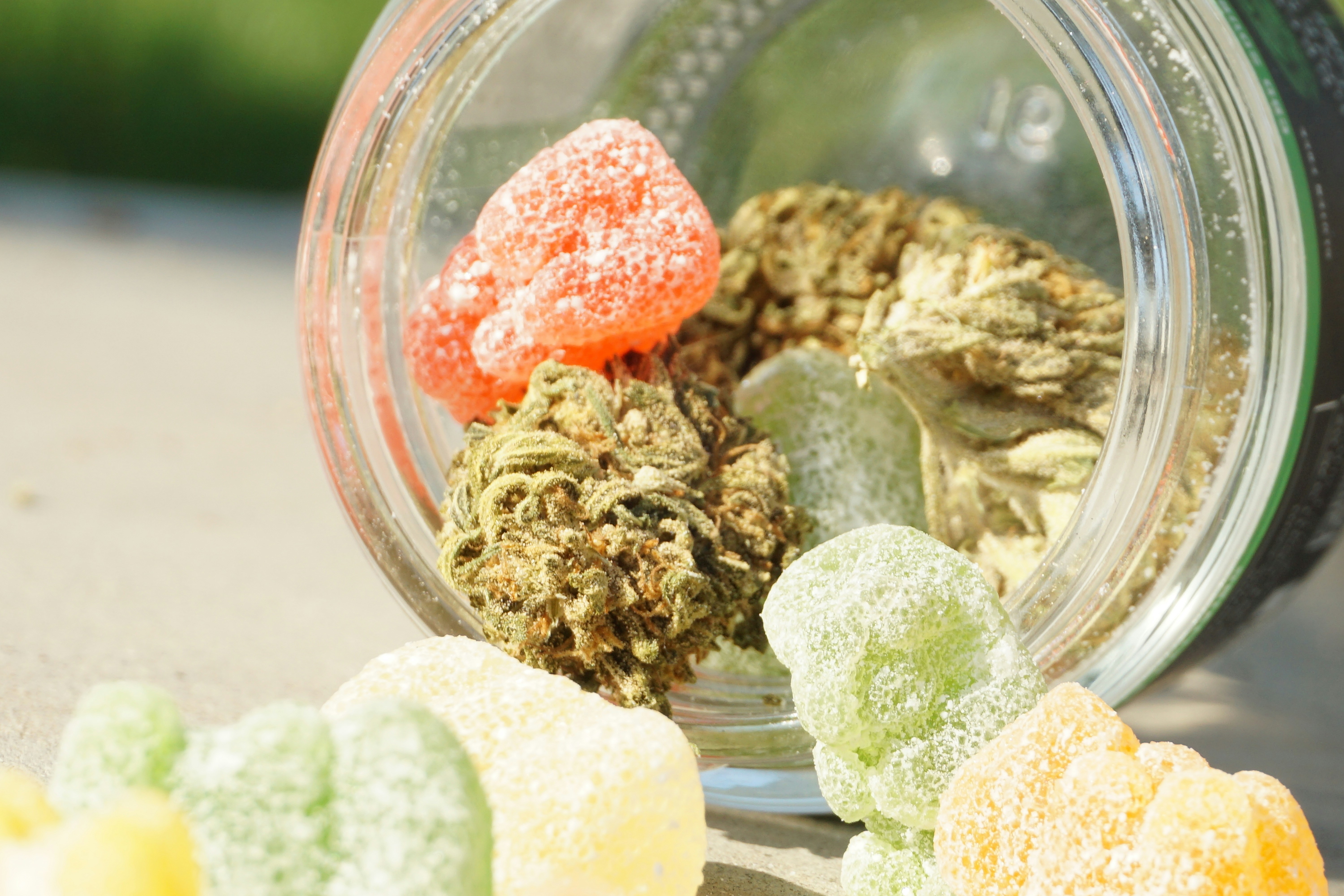
Photo by Elsa Olofsson on Unsplash

Canadian researchers analysed 40 regular edible cannabis users, testing their driving skills in a simulator before and after eating THC gummies. Higher doses led to poorer lane control, slower reactions and less consistent speed, while participants also reported feeling less able to drive. The participants' blood tests came in below the legal thresholds for driving in Canada and New Zealand (5 ng/mL). The researchers say that edibles lead to lower peak blood THC concentrations than smoking, making it difficult to use blood THC levels alone to determine whether someone is actually impaired.

News release

From: JAMA

Dose-Dependent Effects of Cannabis Edibles on Simulated Driving Performance
In this randomized clinical trial, commercially available cannabis edibles dose-dependently impaired simulated driving performance, with significant worsening in lane control at 10 mg and 20 mg THC but not 2 mg. Blood THC concentrations peaked between 1.6 and 3.4 ng/ml, suggesting that measurable impairment may occur below common thresholds used in impaired-driving laws. Editor in Chief Eli Perencevich, MD, MS, selected this study as a highlight.

Attachments

Note: Not all attachments are visible to the general public. Research URLs will go live after the embargo ends.

Research JAMA, Web page
Journal/
conference:
JAMA Network Open | Public Health
Research:Paper
Organisation/s: University of Toronto, Canada
Funder: This study was funded by a Public Safety Canada grant to Drs Le Foll and Brands. Indiva provided the placebo edibles in-kind.
Media Contact/s
Contact details are only visible to registered journalists.