Sign In



 Australia; WA
News release
From:
Cancer breakthrough: Exercise may stop disease in its tracks
Forget bedrest, research from Edith Cowan University (ECU) has shown exercise may be a key weapon in cancer patients’ battle against the disease.
Exercise causes muscles to secrete proteins called myokines into our blood – and researchers from ECU’s Exercise Medicine Research Institute have learned these myokines can suppress tumour growth and even help actively fight cancerous cells.
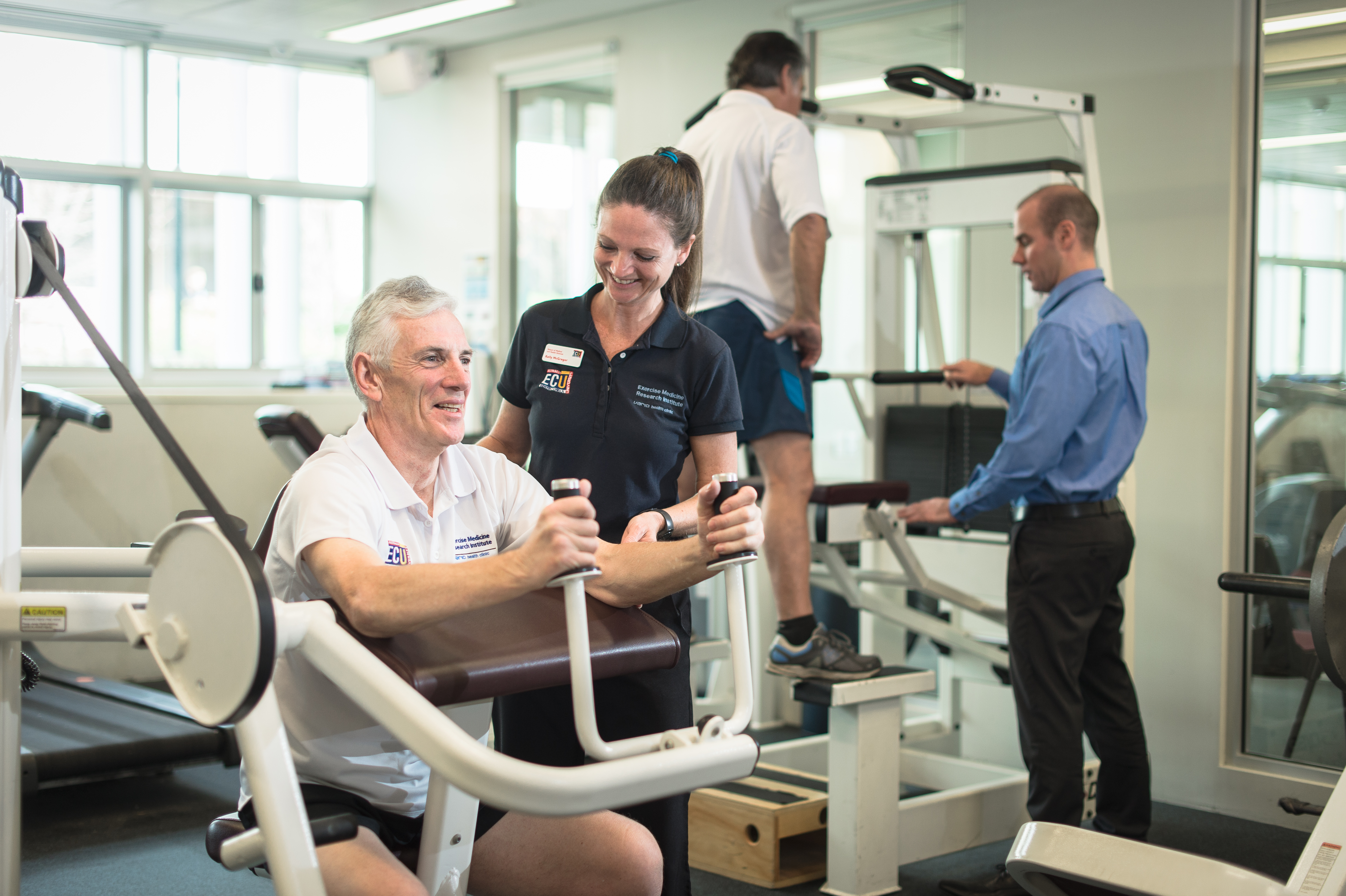
A clinical trial saw obese prostate cancer patients undergo regular exercise training for 12 weeks, giving blood samples before and after the exercise program.
Researchers then took the samples and applied them directly onto living prostate cancer cells.
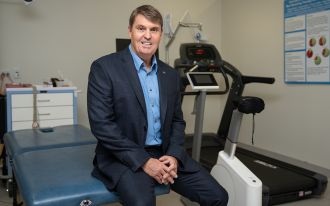
Study supervisor Professor Robert Newton said the results help explain why cancer progresses more slowly in patients who exercise.
“The patients’ levels of anti-cancer myokines increased in the three months,” he said.
“When we took their pre-exercise blood and their post-exercise blood and placed it over living prostate cancer cells, we saw a significant suppression of the growth of those cells from the post-training blood.
“That’s quite substantial indicating chronic exercise creates a cancer suppressive environment in the body.”
A formidable team
PhD candidate and research lead Jin-Soo Kim said while myokines could signal cancer cells to grow slower – or stop completely – they were unable to kill the cells by themselves.
However, he said myokines can team up with other cells in the blood to actively fight cancer.
“Myokines in and of themselves don’t signal the cells to die,” Mr Kim said.
“But they do signal our immune cells – T-cells – to attack and kill the cancer cells.”
Professor Newton said exercise also complements other prostate cancer treatments such as androgen deprivation therapy, which is both effective and commonly prescribed but can also lead to significant reduction in lean mass and an increase in fat mass. This can result in sarcopenic obesity (being obese with low muscle mass), poorer health and cancer outcomes.
All study participants were undergoing ADT and were obese, with the training program seeing them maintain lean mass while losing fat mass.
A fighting future
The study focused on prostate cancer due it being the most common non-skin cancer among men and the high number of patient fatalities – however Professor Newton said the findings could have a wider impact.
“We believe this mechanism applies to all cancers,” he said.
ECU is carrying out further studies, including a trial where patients with advanced-stage prostate cancer are put through a six-month exercise program.
Though results are still pending, Professor Newton said preliminary findings were encouraging.
“These men have high disease burden, extensive treatment side-effects and are very unwell, but they still can produce anti-cancer medicine from within.
“It’s important as it may indicate why men even with advanced cancer, if they’re physically active, don’t succumb as quickly.”
‘Myokine expression and tumour-suppressive effect of serum following 12 weeks of exercise in prostate cancer patients on ADT’ was published in Medicine and Science in Sports and Exercise.
- ends -
Email us to subscribe to our media release mailing list.
For the latest research news delivered to your inbox, register for our fortnightly newsletter.
Multimedia