Sign In



 Australia; SA; WA
News release
From:
Threatened inshore dolphins and other species need protecting from proposed industrial expansion in Exmouth Gulf – an unprotected habitat adjoining the UNESCO World Heritage Listed Ningaloo Coast and Marine Park, warn experts from Flinders University’s Cetacean Ecology, Behaviour and Evolution Lab (CEBEL).
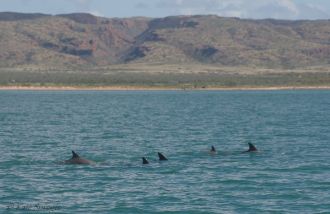
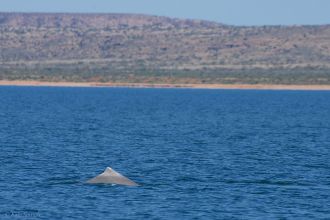
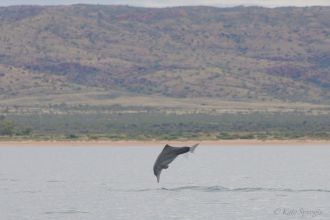
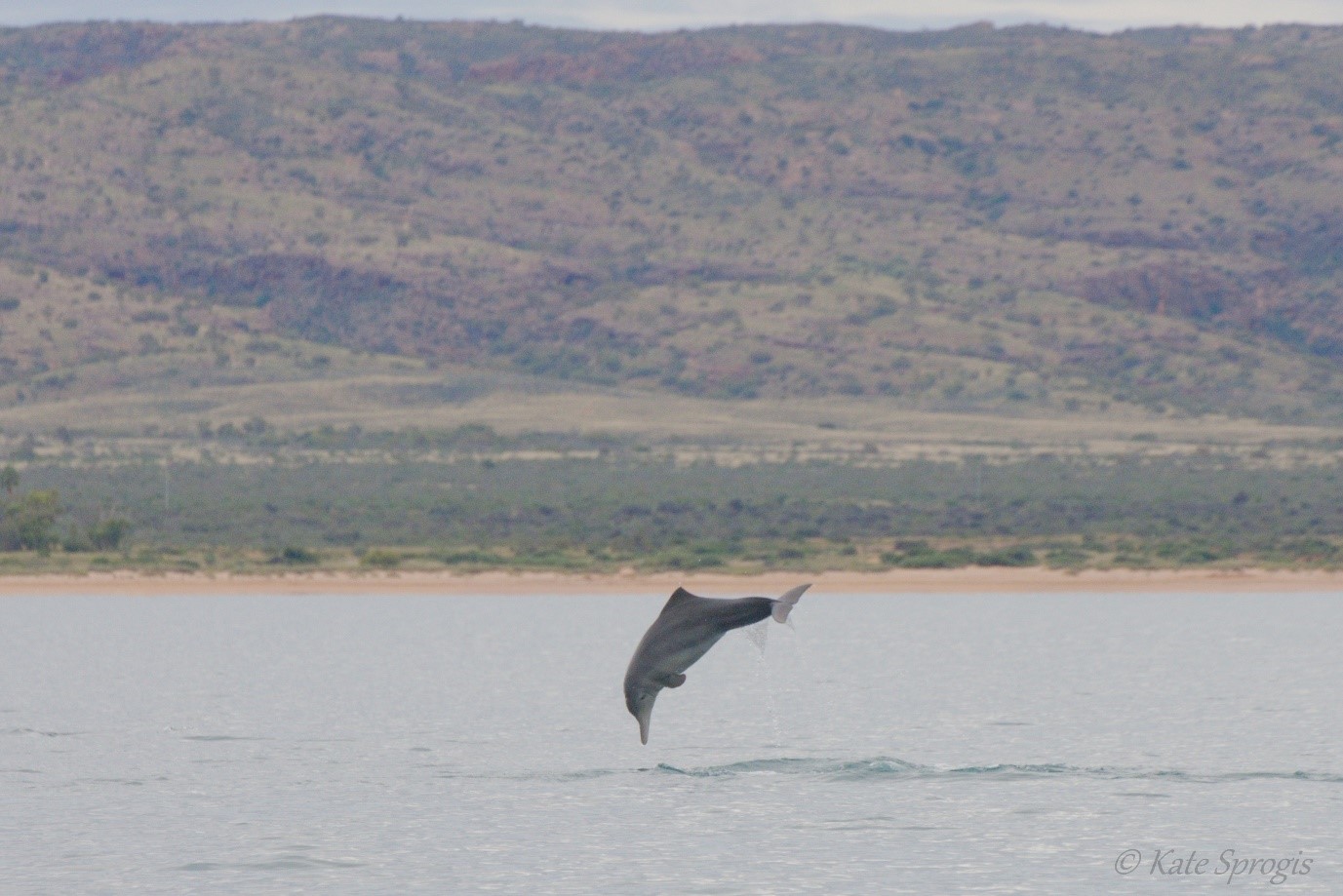
A new study published in Wildlife Research shows that the coastal waters of Exmouth Gulf represent an important habitat for vulnerable Australian humpback dolphins, near-threatened Indo-Pacific bottlenose dolphins, as well as humpback whales and dugongs.
Researchers surveyed more than 800km of coastal waters between the Ningaloo Marine Park boundary, southwards further into Exmouth Gulf in autumn-winter 2021, sighting a total of 93 bottlenose (Tursiops aduncus) and 15 Australian humpback (Sousa sahulensis) dolphin groups . Both species were observed travelling, feeding, socialising, and resting in the shallow inshore waters along the western coastline of Exmouth Gulf.
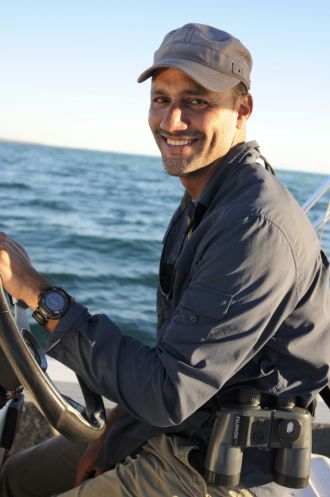
“As expected, based on our previous studies, we found that dolphins that use adjacent waters of the North West Cape, Ningaloo are also using waters within Exmouth Gulf,” says CEBEL research leader Flinders University Associate Professor Guido J Parra.
“This demonstrates the interconnectedness and importance of the link between the Ningaloo Marine Park and Exmouth Gulf for these animals.”
Co-author and CEBEL researcher Dr Kate Sprogis says the new research adds to increasing evidence that “Exmouth Gulf is a diverse and rich environment that supports populations of dolphins and a variety of other endangered, vulnerable or threatened marine megafauna including various species of whales, dugongs and turtles”.
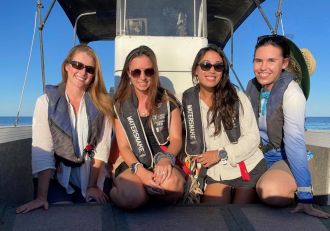
The CEBEL research team plans to conduct further boat-based studies in the region to assess any impacts of increasing human activity in Gulf waters.
“Further baseline data on the distribution, group sizes and behaviour of these coastal dolphin populations will help with future conservation and l management decisions,” says Dr Sprogis.
“Detailed research is required to address the demographic parameters, home ranges and habitat use of these populations, to give government agencies timely input into coastal planning.”
The WA Government has indicated it will create a marine park in the eastern part of Exmouth Gulf and a coastal reserve in the Qualing Pool area, south of Exmouth Marina.
The latest article – Coastal dolphins and marine megafauna in Exmouth Gulf, Western Australia: Informing conservation management actions in an area under increasing human pressure (2022) by Kate R Sprogis and Guido J Parra – has been published in CSIRO Publishing Wildlife Research DOI: 10.1071/WR22023
Captions (attached): More photos available in the Dropbox link: courtesy Kate Sprogis, CEBEL
Acknowledgement: This research received funding from the Australian Marine Conservation Society
Multimedia