 Sign In



 International
News release
From:
Wildfires near urban areas contributed to nearly 9% of fire-caused premature deaths in 2020
Science Advances
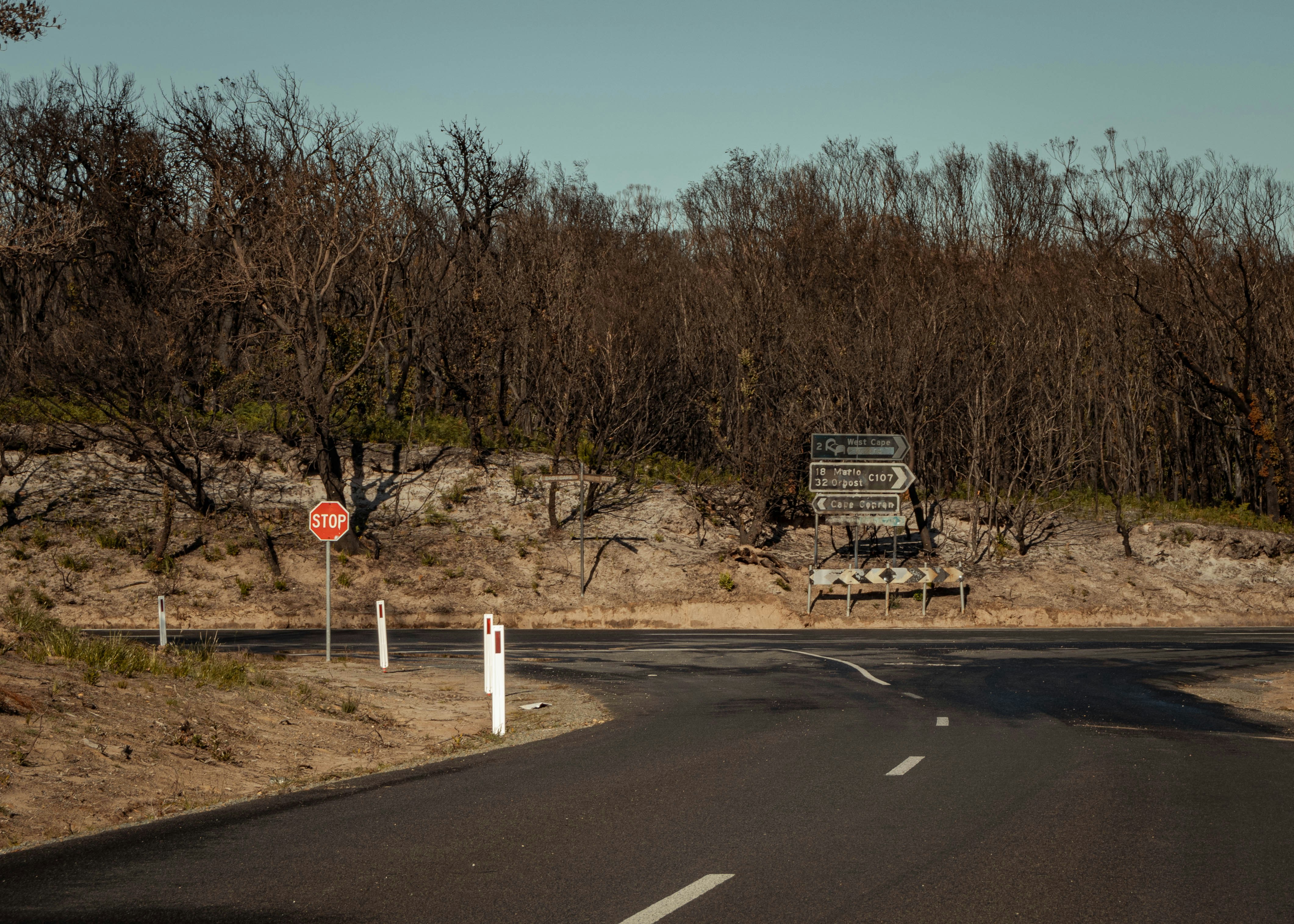
Although fire emissions at the wildland-urban interface (WUI) accounted for only 3.1% of all fire emissions globally, a new study estimates that they contributed to 8.8% of all fire-caused annual premature deaths in 2020. The research also charts how WUI fires emitted major pollutants such as ozone to affect air quality. “The health impacts of WUI fire emissions are disproportionately large due to the proximity to human settlement,” Wenfu Tang and colleagues write. As global WUI areas expand, fires within them threaten air quality and health in more heavily populated areas. Using a multi-scale, community-coupled atmospheric chemistry model and a global fire dataset, Tang et al. characterized global WUI fires’ influences on urban air quality and health globally in 2020 and compared those results with the effects of natural wildfires. They established that WUI fires significantly added to surface levels of carbon monoxide (CO), ozone (O3), and nitrogen dioxide (NO2), alongside particulate matter smaller than 2.5 microns (PM2.5) globally. Results also revealed continent-specific trends. For example, in Southeast Asia and central Africa, WUI fires mostly contributed to CO and PM2.5. Seasonal trends also emerged: WUI fire emissions peaked in April globally and then lightly reappeared in September, while natural wildfires did the opposite. Next, the authors calculated how WUI fires affect mortality. Although WUI emissions made up more than 3% of fire emissions for all 6 continents except Antarctica, they contributed to nearly 9% of all fire-caused annual premature deaths.
Attachments
Note: Not all attachments are visible to the general public. Research URLs will go live after the embargo ends.


