 Sign In



 International
News release
From:
Neuroscience: Bird brains reveal secrets of speech
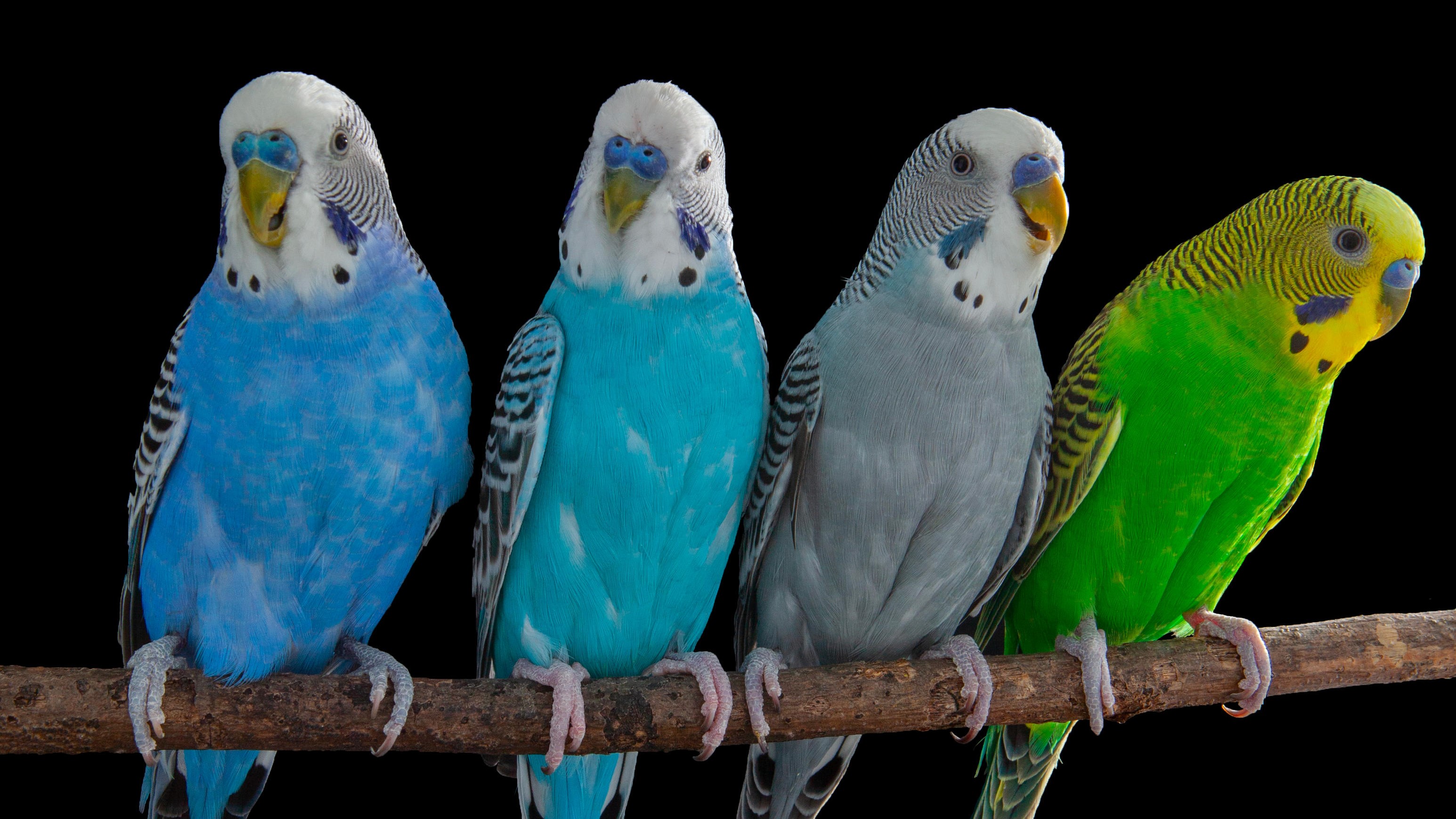
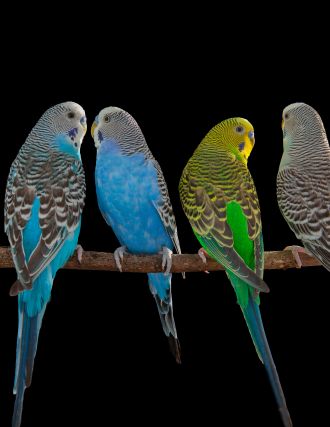
Parrots and humans may use similar brain mechanisms to produce complex sounds, a paper published in Nature suggests. The study uncovers a specialized brain region in budgerigars — a species of parrots known to mimic human speech — that works in a similar way to speech-related regions in the human brain. Parrots may, therefore, be a good model for studying speech and developing speech therapies.
Human speech is a complex form of communication, requiring precise control of the vocal organs to produce words. Humans are not the only creatures capable of vocalizations; birds also use this form of communication, but in different ways. Notably, budgerigars are capable of a range of vocalizations, including mimicking human speech, leading researchers to hypothesize that the neural processes underlying sound generation may be similar between these birds and humans.
Zetian Yang and Michael Long studied neural recordings from parrots and songbirds (zebra finches, which have limited vocal learnings compared with budgerigars) to uncover how vocal production is encoded in the brain. The authors found that the two species of bird use different regions of the brain to control vocalizations. Budgerigars use the central nucleus of the anterior arcopallium, which connects to the syrinx (the avian vocal organ) through the brainstem, enabling the production of a diverse range of vocalizations. These insights into how parrots learn to produce more complicated sound sequences raise the possibility that parrots could be used as a model to learn more about speech production and communication disorders in humans, the authors conclude. “Yang and Long’s research not only deepens neuroscientists’ understanding of vocal learning, but also affirms that being called a ‘birdbrain’ might indeed be a compliment,” writes Joshua Neunuebel in an accompanying News & Views article.
Multimedia

Attachments
Note: Not all attachments are visible to the general public. Research URLs will go live after the embargo ends.


