 Sign In



 International
News release
From:
Evolution: Oldest human DNA from Britain reveals diverse lives and ancestry (N&V)
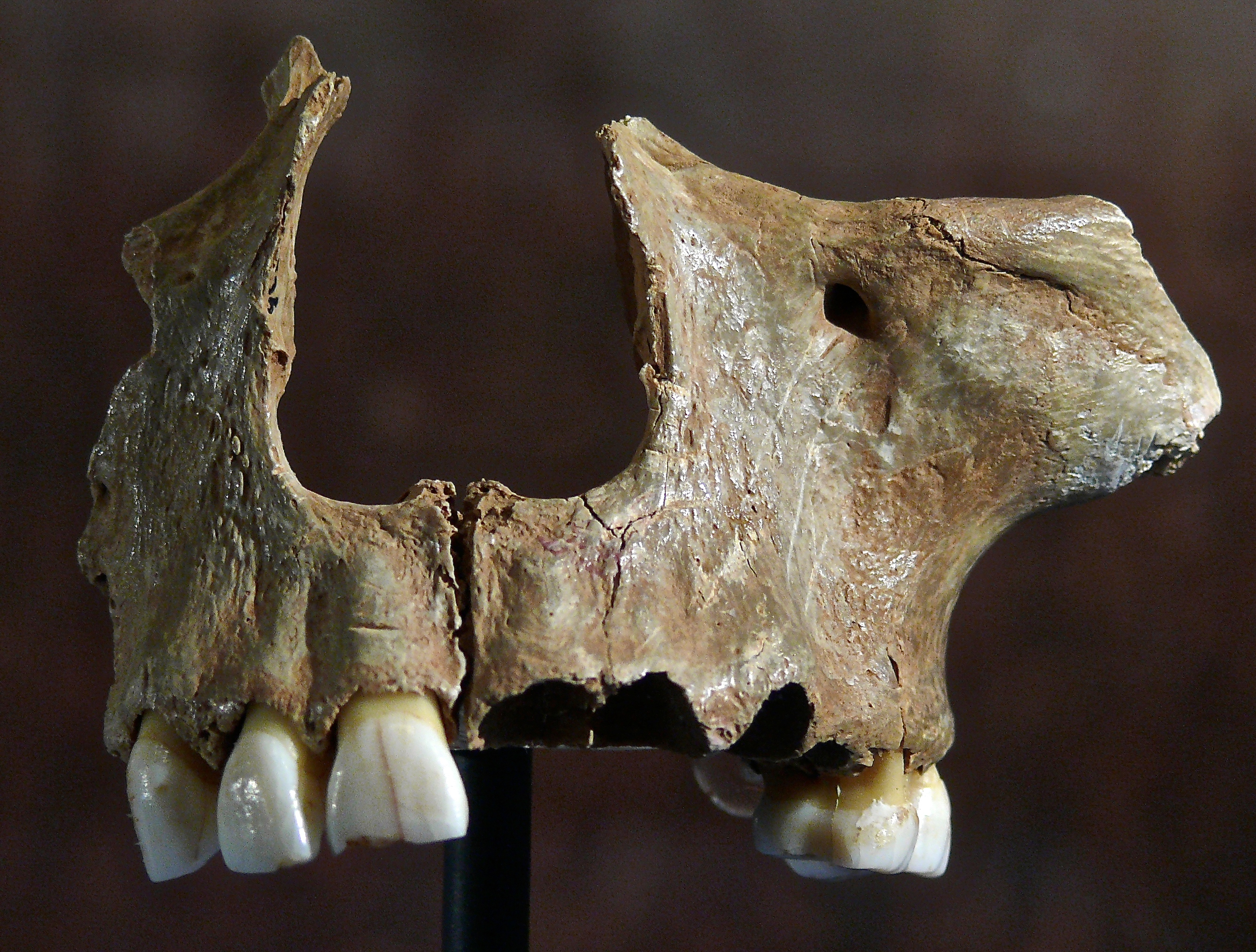
The oldest known human DNA from Britain to date is presented in a paper published in Nature Ecology & Evolution. These findings — based on the analysis of two late Palaeolithic individuals who lived approximately 14,000 years ago — reveal diverse sources of ancestry and migration of multiple populations into the island prior to the Holocene.
Although humans lived in Britain prior to the last glacial maximum, occupation was sparse, as extensive ice sheets meant that much of the island was uninhabitable until the ice began to melt approximately 19,000 years ago.
Sophy Charlton and colleagues sequenced the genomes of an individual from Gough's Cave in Somerset, England and an individual from Kendrick's Cave in Wales, contextualising the resulting genetic data with information on cultural and ecological practices at each site. The Gough's Cave individual was female and lived around 14,900 years ago, while the Kendrick's Cave individual was male and lived approximately 1,000 years later. Despite the comparative closeness in time that both sites were occupied, the Gough's Cave individual shares genetic ancestry data associated with the 15,000-year-old Goyet Q2 individual from Belgium, while the Kendrick's Cave individual shares ancestry with the 14,000-year-old Villabruna individual from Italy. This indicates that there were two genetically distinct groups in Britain within approximately 1,000 years of each other, mirroring so-called 'dual ancestry' patterns seen elsewhere in Europe during the late Pleistocene. Archaeological and isotopic analysis revealed further differences in culture, diet and mortuary practices between the individuals.
While welcoming these findings in an accompanying News & Views, Chantel Conneller cautions against assuming simplistic correlations between genetic signatures, social groups and archaeological cultures. She writes, "Palaeolithic archaeology with its relatively imprecise chronologies and small datasets is particularly vulnerable to claims of synchronicity for population events and material culture changes that may be hundreds or even thousands of years apart. Origins narratives are powerful and rarely politically neutral.”
Attachments
Note: Not all attachments are visible to the general public. Research URLs will go live after the embargo ends.


