 Sign In



Attachments
Note: Not all attachments are visible to the general public. Research URLs will go live after the embargo ends.

 International
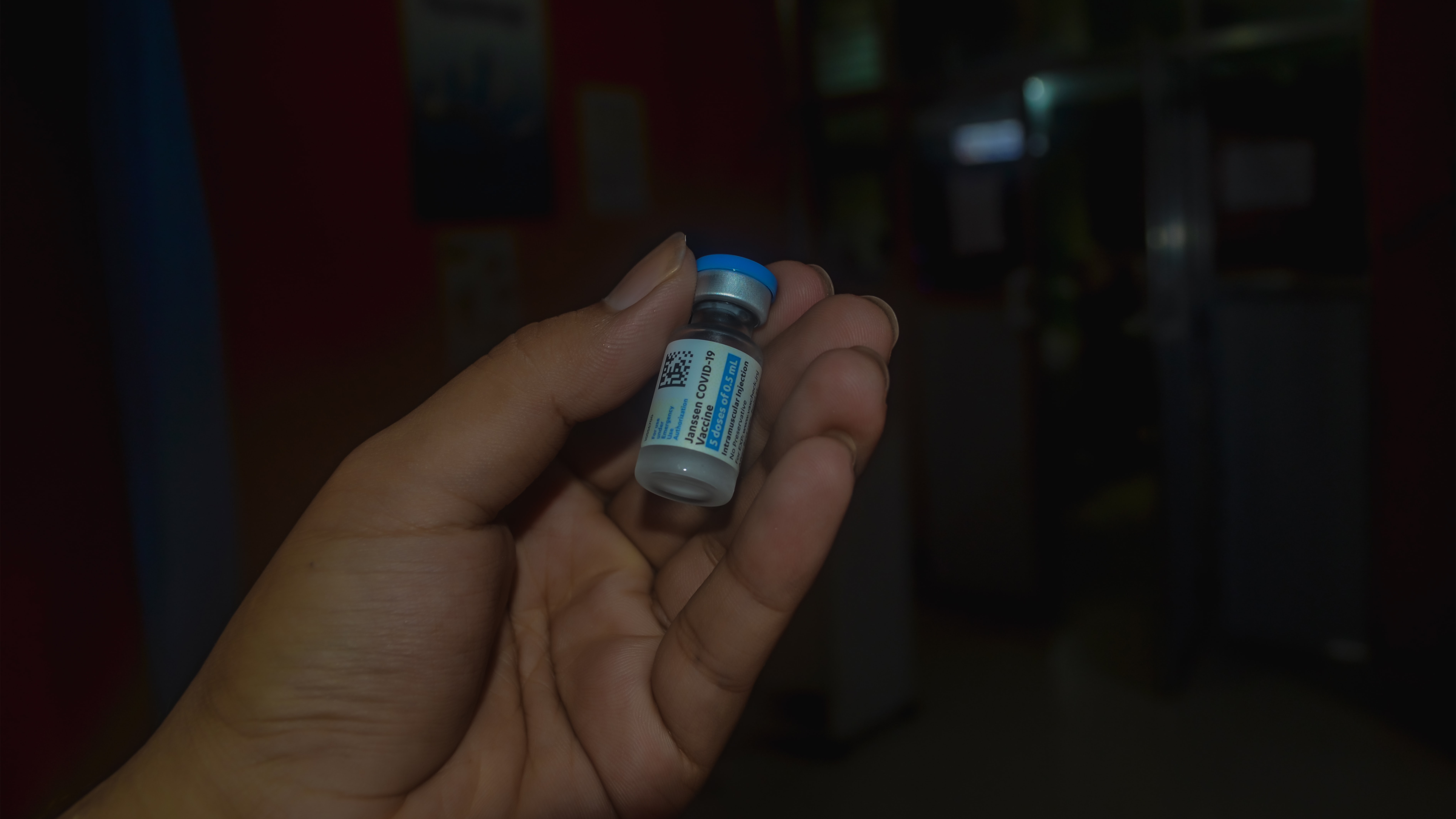
While the risk remains low, those vaccinated with the Johnson & Johnson COVID-19 vaccine are more likely to develop a blood clot in their brain than the general population, according to international research. The study compared the rates of Cerebral Venous Sinus Thrombosis (brain blood clots) before the pandemic with the rate of those vaccinated with Johnson & Johnson. The overall incidence rate of clots after vaccination was 8.65 per 100,000 people in the first 15 days declining to 5.02 per 100,000 at 30 days and 1.73 per 100,000 by three months. The researchers say the risk was higher in women, who were five times more likely to develop a blood clot after vaccination than they were before vaccination.
Note: Not all attachments are visible to the general public. Research URLs will go live after the embargo ends.

