 Sign In



 International
News release
From:
Three COVID-19 vaccines may provide greater protection from COVID-19 infections than two
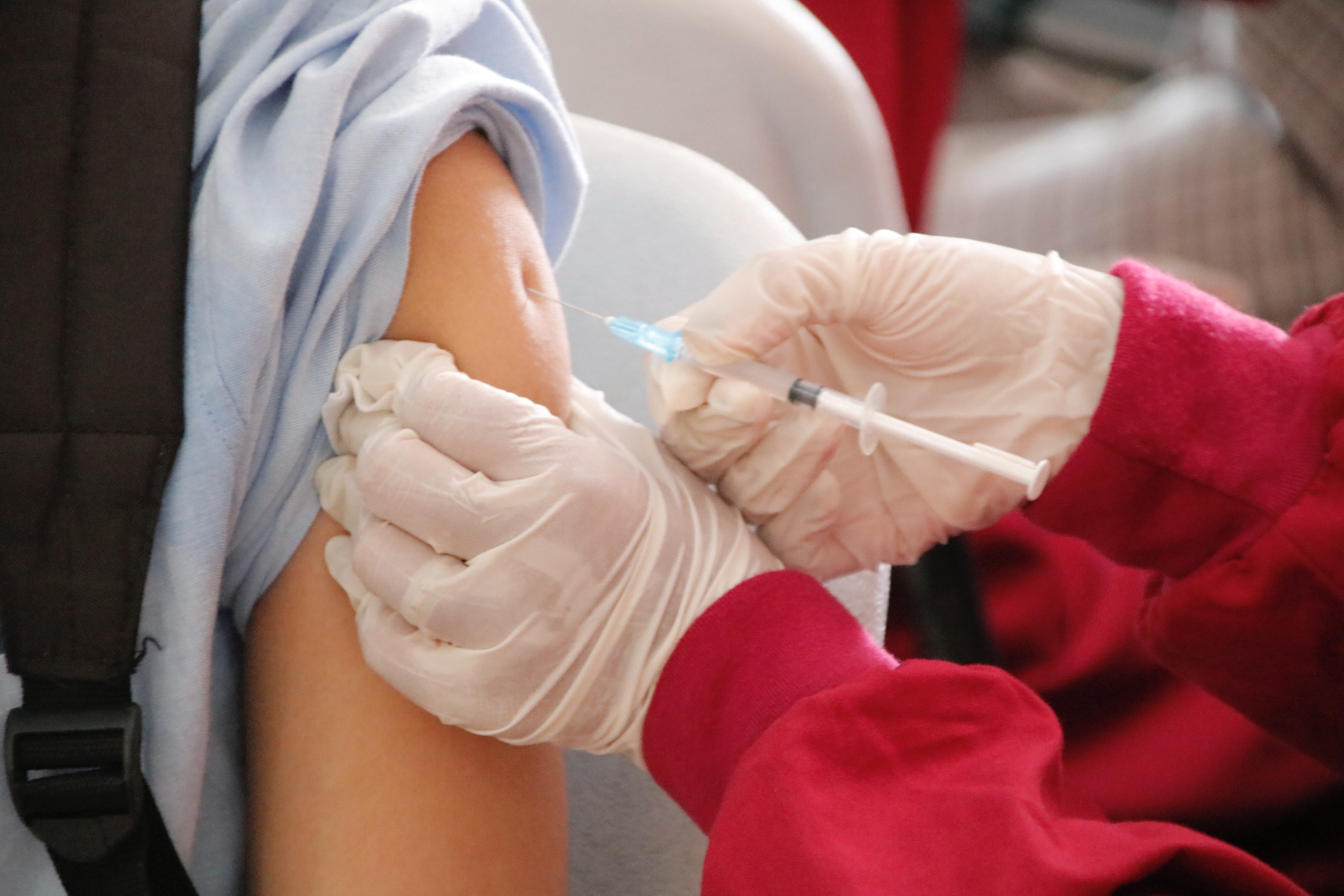
Two vaccine doses provide only limited and short-lived protection against SARS-CoV-2 infection with the Omicron variant. A study publishing September 1st in the open-access journal PLOS Medicine by Mie Agermose Gram at Statens Serum Institut, Copenhagen, Denmark, and colleagues suggests that a third COVID-19 vaccine dose increased the level and duration of protection against Omicron infection and hospitalization.
Emergence of new SARS-CoV-2 variants may decrease long-term vaccine durability, increasing the risk of infection and hospitalization. However, evidence is limited regarding the vaccine effectiveness of three vaccines over time. In order to estimate the effectiveness of two or three vaccine doses against COVID-19 infection and hospitalization, researchers conducted a nationwide cohort study of all previously uninfected Danish residents aged 12 and older by accessing individual-level data stored in the national Danish Civil Registration System and Danish Vaccination Registry. The researchers then estimated vaccine effectiveness using vaccination status as a time-varying exposure, adjusting for age, sex, geographic location, and comorbidities, before comparing infection and hospitalization rates to unvaccinated individuals.
The researchers found that a third vaccine dose provided greater protection against infection and hospitalization from the Omicron variant than with two vaccines and also that there was less evidence of waning protection. Future studies are needed to better understand the durability of a third vaccine dose after 120 days and evaluate the need for subsequent boosters. One limitation of the study was that the data was non-randomized, so there could be unmeasured differences between the vaccinated and unvaccinated groups.
According to the authors, “Our findings indicate that a third dose is necessary to maintain protection against infection for a longer time and to ensure a high level of protection against COVID-19 hospitalization with the Omicron variant. Continued emergence of new variants and waning vaccine durability require ongoing evaluation of vaccine effectiveness against infection and hospitalization to inform future vaccination strategies”.
Gram adds, “Despite being less effective against infection with Omicron than previous variants, a third mRNA COVID-19 vaccine dose offers better protection against Omicron infection than two doses and protects well against COVID-19 hospitalization.”
Attachments
Note: Not all attachments are visible to the general public. Research URLs will go live after the embargo ends.


