 Sign In



 Australia; VIC
News release
From:
New blood test tracks brain recovery after concussion: study
A blood test can accurately detect the ongoing effects of sport-related concussion and help determine when it’s safe to return to the field, Monash University-led research has found.
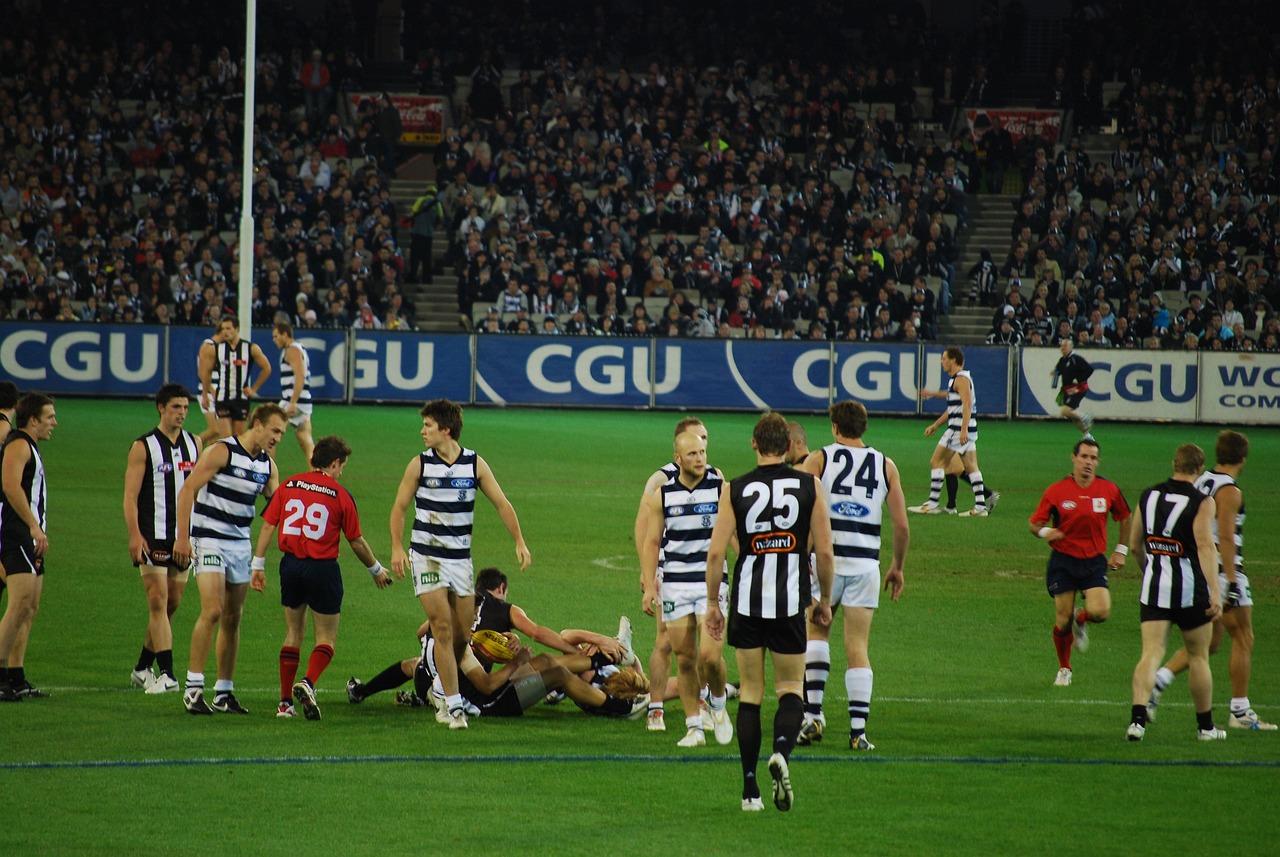
Researchers measured two brain-specific proteins in the blood of 81 Victorian Amateur Football Association (VAFA) players who experienced concussion and compared them with 56 players who did not.
By tracking levels of the blood biomarkers over time, they monitored how long it took the players’ brains to recover, otherwise known as ‘neurobiological recovery’, to help determine when it may be safe to return to play without elevated injury risk.
Until now, there have been no well-established tools for tracking neurobiological recovery after sport-related concussion.
Published in JAMANetwork Open, this cohort study delved into the dynamics of two brain cell proteins, glial fibrillary acidic protein (GFAP) and neurofilament light (NfL), which are released into the blood following brain trauma. While the team’s previous research demonstrated diagnostic potential of these blood biomarkers, this study aimed to reveal how their levels changed over time in concussed players.
The most striking finding was the variability in biomarker changes among individuals, with over 20 per cent of concussion cases showing substantial and persistent increases in both GFAP and NfL that remained elevated compared to non-concussed footballers for over four weeks.
Individuals with these extreme biomarker changes were substantially more likely to have lost consciousness as a result of their head knock.
Study lead and Monash Trauma Group Principal Investigator Dr Stuart McDonald, from the Monash University School of Translational Medicine*, said while his team and others had investigated these biomarkers before, it was the first time a thorough profile of post-injury progress had been recorded.
“The unique thing about this study is not the measure, but how many times and how consistently we did it – eight times over six months for 137 athletes,” Dr McDonald said. “With very few missing data points, due to our unique approach of going to the participants for home visits, we were able to get a thorough profile of the biomarker trajectories over time.
“We demonstrated that blood levels of GFAP are elevated in the vast majority of athletes with concussion at 24 hours, and we are now working to have this much-needed diagnostic test approved for use in the next few years.
“The next important step is demonstrating how and when we should measure these two proteins as return to play biomarkers. Our findings take us closer to this becoming a reality.
“Our vision is for serial measures of these proteins to be integrated into clinical care, guiding return to play decisions based on both symptom and neurobiological recovery.”
While more work is needed to seek regulator approval for these blood tests, study first author Dr William O’Brien said there was an important and immediate takeaway message from this study: Neurobiological recovery is likely to take longer in concussed athletes who experience loss of consciousness.
“Our finding of a strong association between loss of consciousness and substantial and prolonged biomarker changes supports the potential adoption of more conservative return to play timelines where this clinical sign is identified,” Dr O’Brien said.
More than500,000 people play Australian football, with 6-10 sport-related concussions per 1000 player match hours[1], often resulting in short and long-term neurological symptoms.
At the community level of Australian football, the latest policies mandate that the earliest a player can return to play is 21 days after the concussion, with this period 12 days in the Australian Football League. These guidelines are based on self-reported symptom resolution.
"While return to play decisions after this period should consider symptom resolution, completion of a graded loading program, and medical clearance, these mandated stand down periods may not be adequate for all cases of concussion,” Dr O’Brien said.
"This is of particular concern in community sport, where medical guidance can be limited. Sport-related concussion symptoms are subjective, difficult to identify, and players may feel incentivised to not raise them. Furthermore, the brain continues to recover even after symptoms subside, and this ongoing recovery may make athletes more vulnerable to another concussion."
More research is underway to create a much larger data base on what is ‘normal’, which in turn will help identify what is abnormal. “We do have some good reasons to believe that elevated biomarker levels do indicate that the brain is still in a heightened state of vulnerability to repeated injury,” Dr McDonald said.
Attachments
Note: Not all attachments are visible to the general public. Research URLs will go live after the embargo ends.


