 Sign In



 Australia; NSW; QLD

News release
From:
New research from the Centenary Institute has identified specific blood fats that can predict how effectively individuals with pre-diabetes will improve their blood sugar levels through diet and weight loss. These findings could pave the way for more personalised approaches to preventing and managing type 2 diabetes.
Pre-diabetes is a condition where blood sugar levels are higher than normal but not yet in the diabetic range. Weight loss through dieting is a common recommendation to help bring blood sugar levels back to normal. However, more than half of people with pre-diabetes do not achieve normal blood sugar levels after losing weight.
This new study, based on samples from 104 participants, aimed to identify biomarkers in the blood that could predict who would benefit most from dietary weight loss. The participants, all with pre-diabetes, lost at least 8% of their body weight through a low-energy diet. Using big data technology and machine learning based bioinformatics, researchers then analysed changes in hundreds of different lipids—molecules in the blood that include fats and fatty acids—before and after the diet.
Published in The American Journal of Clinical Nutrition, the study found that weight loss led to significant changes in several types of lipids. Importantly, certain lipids measured before the weight loss could predict how much participants' blood sugar levels would improve afterward. For example, certain sphingolipids, a type of fat found in cell membranes, were linked to changes in fasting blood sugar levels, while other lipids were associated with improvements in indicators such as hemoglobin A1c, insulin and insulin resistance.
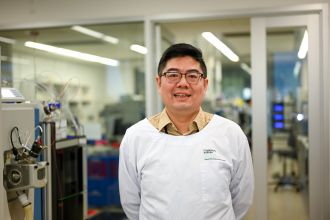
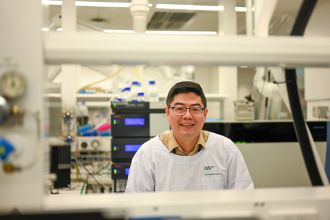
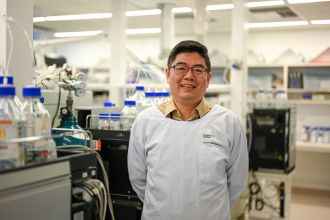
"Our findings reveal that certain fats in the blood can tell us a lot about a person's chances of improving their blood sugar levels through weight loss,” said lead study author, Dr Yanfei (Jacob) Qi from the Centenary Institute’s Centre for Cardiovascular Research.
“This could be a game-changer in how we approach diabetes prevention, allowing us to personalise treatment plans for those who are less likely to benefit from standard diet recommendations,” he said.
The researchers believe that discovering these lipid biomarkers offers hope for more effective diabetes prevention strategies and better outcomes for those at risk, moving beyond the one-size-fits-all advice currently offered.
Next, Dr Qi and his team will assess the power of lipid predictors in a more challenging real-world scenario—a three-year lifestyle intervention through both diet and physical activity for weight control in individuals with pre-diabetes.
[ENDS]
Multimedia

Attachments
Note: Not all attachments are visible to the general public. Research URLs will go live after the embargo ends.


