 Sign In



 Australia; QLD
News release
From:
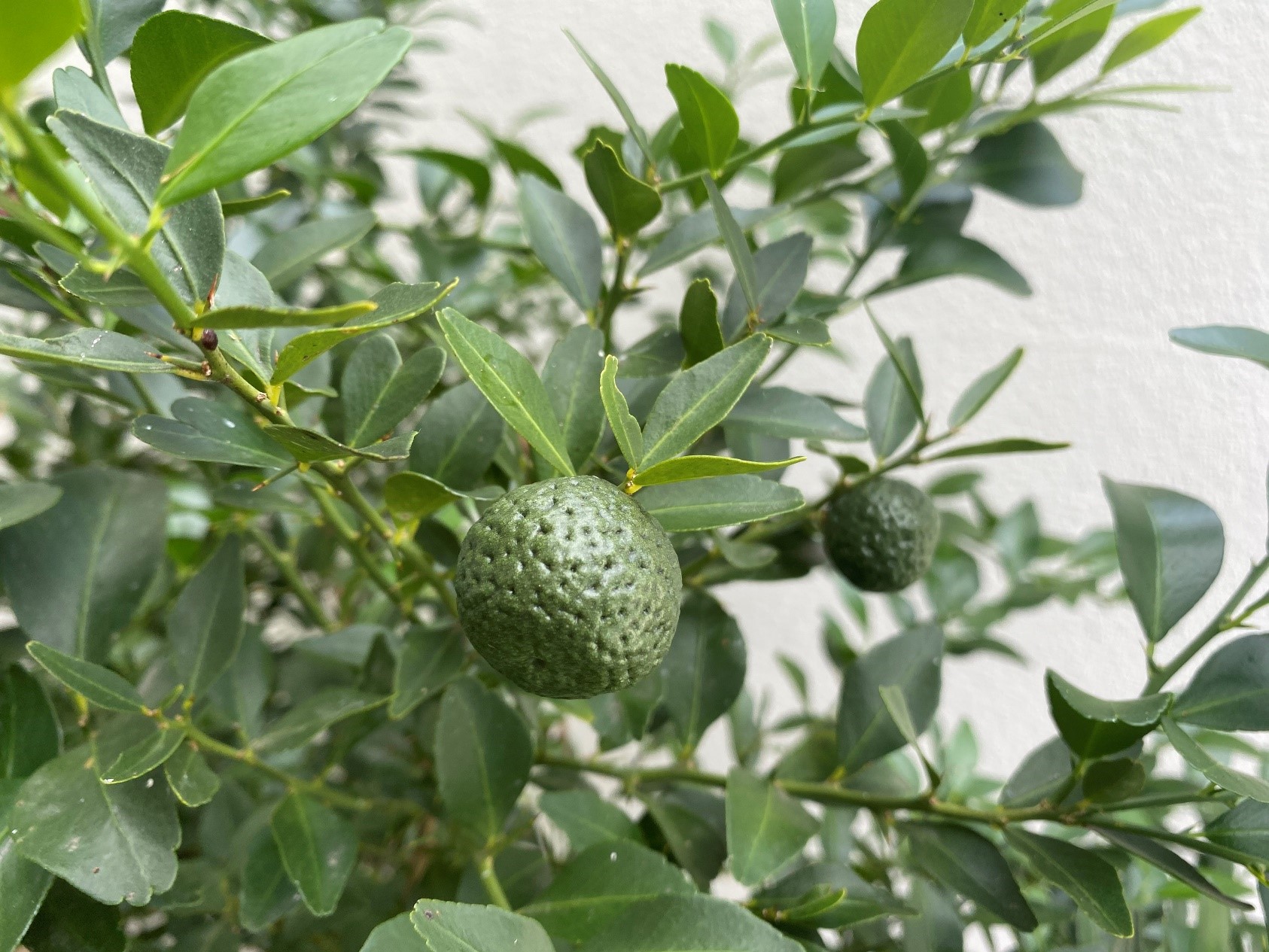
A comprehensive map of the genome of a native lime species that is resistant to a devastating citrus disease could be the key to preventing that disease entering Australia.
Researchers from The University of Queensland have sequenced the genome of the Australian round lime, also known as the Gympie lime, and are now looking at five other native citrus species including the finger lime.
PhD candidate Upuli Nakandala said the work aimed to identify a gene which provides resistance to Huanglongbing (HLB), also known as ‘citrus greening’, that could be incorporated into commercial citrus varieties.
“The species Citrus australis is recognised as HLB-resistant so we put it first on our list,” Ms Nakandala said.
“HLB is a huge problem for citrus growers across a number of growing areas including California and Florida in the United States and in Africa.
“HLB is not currently present in Australia.
“People have been trying to control this disease using chemicals and other methods but there’s been no permanent solution.
“One option available is to develop resistant cultivars, and the first step towards that is identifying these important resistant genes in Australian citrus.”
UQ’s Professor Robert Henry said mapping the genome of Australian round limes achieved that aim.
“Sequencing the genomes of plants, particularly these tree crops will give us a new platform for genetic improvements and better management of their production into the future,” Professor Henry said.
“Our research team has the right technology at the right time.
“We have placed ourselves at the cutting edge of that technology and we have the climate and the crops here that put us in a great position to make an important contribution to international efforts to solve this devastating disease problem.”
Professor Henry said the team was also working on genomes for other tree crop species.
“We’re looking at a number of horticultural crops including macadamia, almond and mango – a wide range of species that are important in Australia and will provide the science background that we need to advance these crops,” he said.
The research was funded by Hort Innovation and The Queensland Department of Agriculture and Fisheries and is published in Horticulture Research.
Images and video are available via Dropbox.
Attachments
Note: Not all attachments are visible to the general public. Research URLs will go live after the embargo ends.


