 Sign In



 Australia; International; WA
News release
From:
Curtin University has played a major role in an out-of-this-world international study which has taken the search for extraterrestrial life into exciting new territory.
In collaboration with the SETI (Search for Extraterrestrial Intelligence) Institute and the Berkley SETI Research Center, both based in the US, the International Centre for Radio Astronomy Research (ICRAR) used the Murchison Widefield Array (MWA) in remote Western Australia to search for alien life in galaxies other than our own at low radio frequencies for the first time.
The MWA is a radio telescope made up of 8192 antennas, spread across more than 30sqkm on Wajarri Yamaji land about 300km north-east of Geraldton, designed to observe the sky and detect emissions from the early universe and to study solar and galactic phenomena
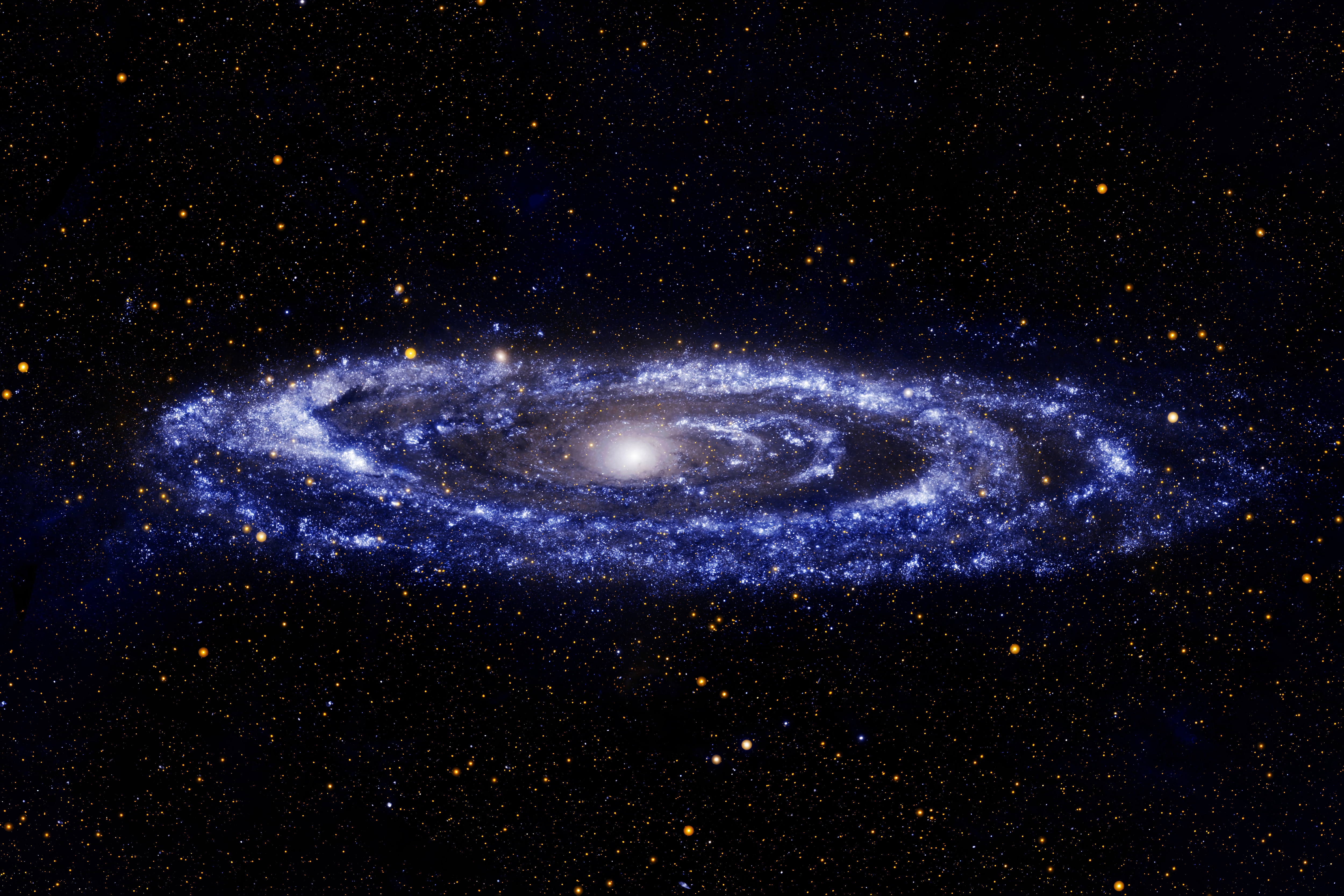
The research team used the MWA’s wide field of view to search approximately 2800 distant galaxies, making it one of the most detailed searches for alien life ever conducted.
ICRAR Deputy Executive Director and MWA Director John Curtin Distinguished Professor Steven Tingay said while this initial study did not find any signs of alien technology — or ‘technosignatures’ — it provided insights which will help focus future searches.
“This study shows how important it is to keep exploring different radio frequencies and using the unique capabilities of telescopes like the MWA,” Professor Tingay said.
“The MWA continues to open up new ways of exploring the universe for intelligent civilizations and technosignatures, while using the same data to study the astrophysics of stars and galaxies.
“This work is novel and paves the way for future observations with even more powerful telescopes.”
The SETI Institute’s Dr Chenoa Tremblay said the study was an exciting new approach to searching for civilizations more advanced than our own.
“To send a signal from another galaxy, a civilization would need technology powerful enough to use the energy of their sun or several stars in their galaxy,” Dr Tremblay said.
“This work represents a significant step forward in our efforts to detect signals from advanced extraterrestrial civilizations.
“The large field of view and low-frequency range of the MWA makes it an ideal tool for this kind of research and will guide future searches for other forms of life.”

