 Sign In



 International
News release
From:
Peer reviewed Experimental study People
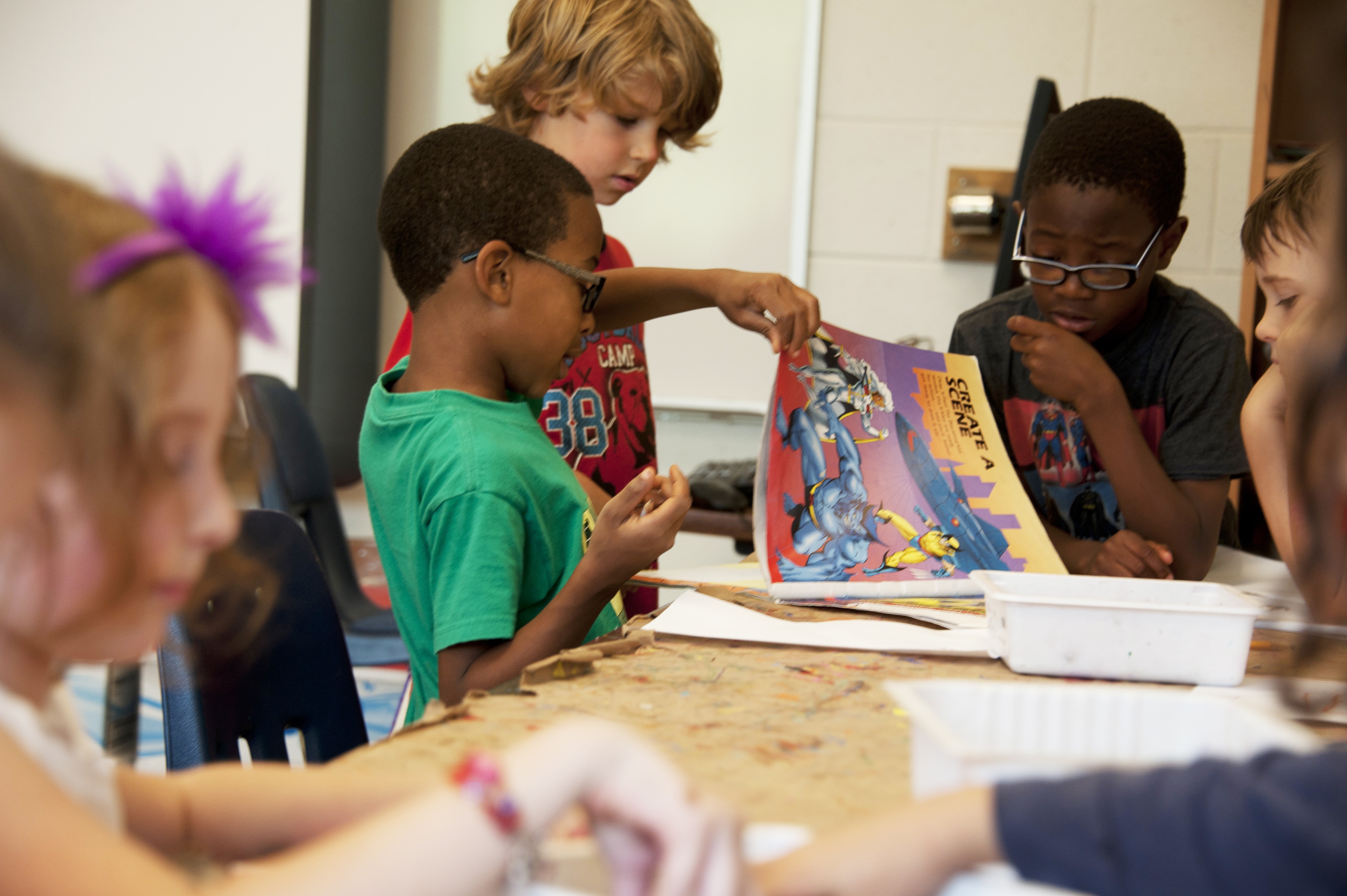
Assigned classroom seats can promote friendships between dissimilar students
Students of varying gender, ethnicity, educational achievement were more likely to become friends after induced proximity
A study conducted in Hungarian schools showed that seating students next to each other boosted their tendency to become friends—both for pairs of similar students and pairs of students who differed in their educational achievement, gender, or ethnicity. Julia Rohrer of University of Leipzig, Germany, and colleagues present these findings in the open-access journal PLOS ONE on August 11, 2021.
According to earlier research, proximity between people can promote friendships. However, people also tend to become friends with those who have similar characteristics, such as gender, age, and ethnicity. It is unclear how these two phenomena interact; specifically, whether similarity between individuals influences the effects of proximity on friendship.
To explore this question, Rohrer and colleagues conducted an experiment in which they created randomized classroom seating charts for 2,966 students in grades 3 through 8 across 40 schools in rural Hungary. The students remained in their assigned seats for one semester, at the end of which they reported their friendships in a survey.
Statistical analysis of the students’ demographics and reported friendships showed that sitting next to each other increased the probability of their becoming mutual friends from 15 to 22 percent (an increase of 7 percent). The propensity toward friendship increased for all pairs of students, including those who differed in their educational achievement, gender, or ethnicity (Roma or non-Roma ethnic identity).
However, the researchers found, the number of friendships increased more for similar versus dissimilar pairs of students. This was because the baseline propensity toward friendship started out higher for similar students, so seating them next to each other pushed more of them past a threshold into actual friendship than did seating dissimilar students together. Gender was the main driver of this pattern.
The researchers noted that the effect of sitting together for students of Roma and non-Roma ethnicities was less certain than for pairs of students who were dissimilar in other ways, especially given the small numbers of Roma students in their sample. However, overall their findings suggest that seating assignments could be effective tools in promoting diverse friendships, which could help foster social skills and improve attitudes about those in other demographic groups.
Senior author Felix Elwert adds: “Friendships matter, for better or worse. Having friends improves happiness and health; but friendship networks also divide people, because humans mostly befriend others that are just like them. Importantly, we found that sitting next to each other increased friendship potential for all children, regardless of their gender, class, or ethnic background. This demonstrates that simple (‘light-touch”) interventions can effectively diversify friendship networks.”
Co-author Tamás Keller adds: “Although teachers have a full control over arranging the classroom seating chart, inducing friendship by seating chart arrangement is an overlooked policy lever. Our research has highlighted two specific boundaries: gender and ethnic differences. Students in early adolescence make friendships with the same sex peers—a feature that is difficult to change with light-touch seating chart interventions. Similarly, the goal to establish inter-ethnic friendship ties might require more intensive interventions.”
Attachments
Note: Not all attachments are visible to the general public. Research URLs will go live after the embargo ends.


