Are dogs left-pawed or right-pawed?

Publicly released:
International
Isparta et al
Isparta et al

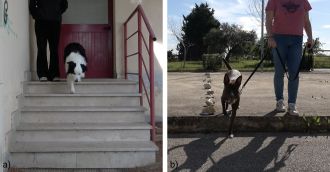
Most humans are either left- or right-handed, but it's harder to tell what side dogs prefer, according to international researchers. The team adapted a test used for measuring human hand dominance to see if they could tell left-pawed dogs from right-pawed dogs and how strongly they held a preference. 47 dogs went through the test, which involved tasks including reaching for food and walking down stairs in various settings. The researchers say paw preference differed depending on the task and often depending on the dog's sex. According to the overall test results, the researchers say one in five dogs were fully ambidextrous, one in three were strongly right- or left-pawed, and the rest weakly favoured one side. Overall, the dogs favoured their left paws more often, with this trend appearing stronger in the males.

News release

From: The Royal Society

The 'Doginburgh Inventory': From Hands to Paws in Assessing Canine Motor Laterality

Royal Society Open Science

Can dogs be left- or right-pawed, as humans are left- or right-handed? Around 90% of people are right-handed. Measuring paw preference in dogs is not as simple as it sounds. Single-task tests can produce inconsistent results, as dogs do not always express their preference the same way across situations. Human handedness is assessed using the standardized Edinburgh Handedness Inventory. Inspired by this approach, the “Doginburgh Inventory” was developed for dogs, integrating multiple tasks into one measure. It allows assessment not only of which paw a dog prefers, but also how strong that preference is, offering insights into canine brain functioning.

Multimedia
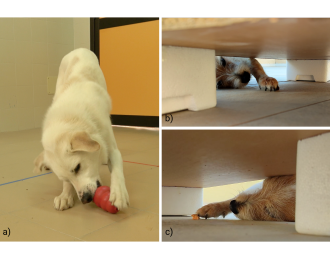
Figure 1
Figure 1
Figure 2
Figure 2
Kong test
Kong test
Kong test
Kong test
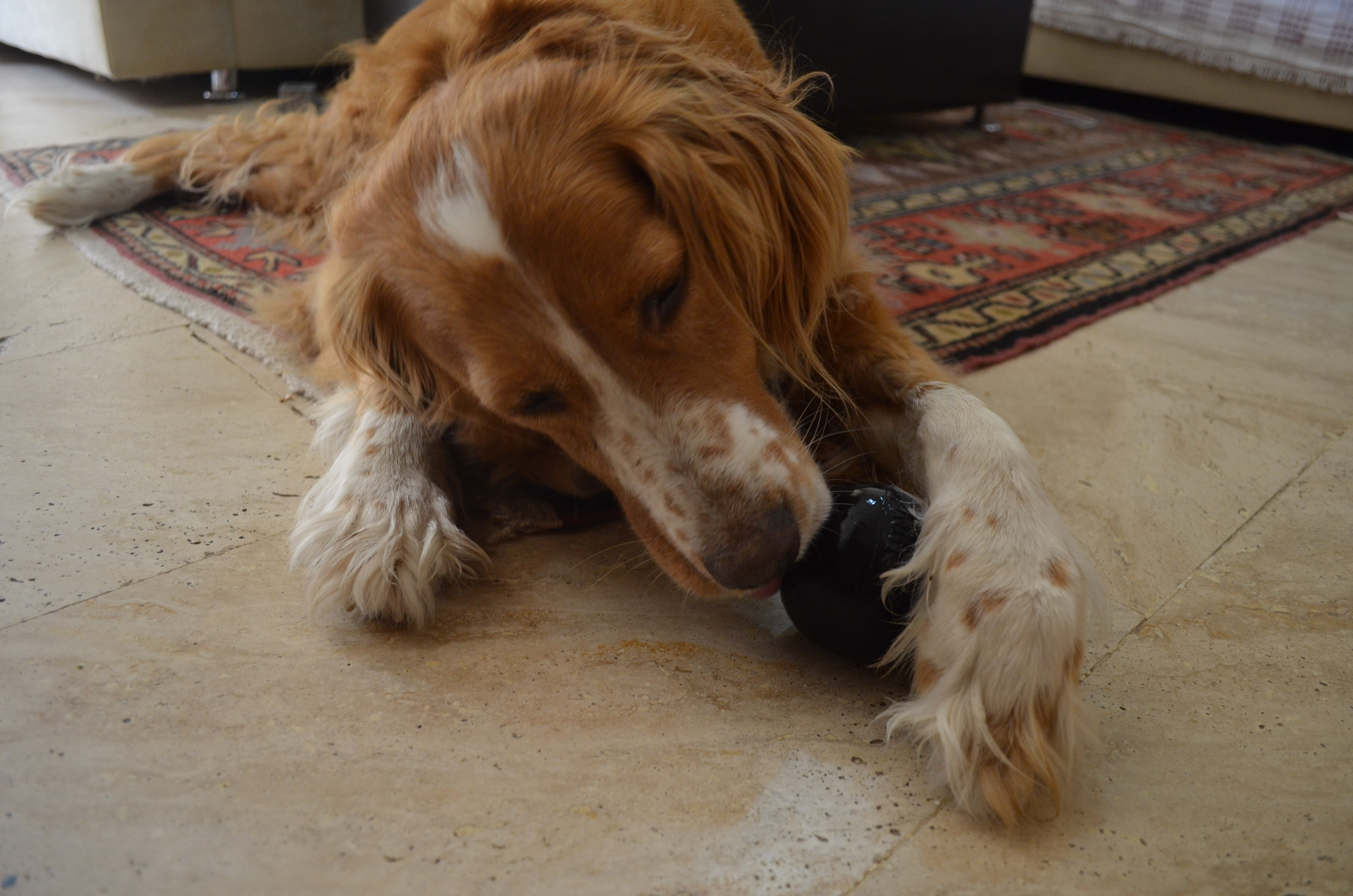
An adorable study participant

Attachments

Note: Not all attachments are visible to the general public. Research URLs will go live after the embargo ends.

Research The Royal Society, Web page The URL will go live after the embargo ends
Journal/
conference:
Royal Society Open Science
Research:Paper
Organisation/s: University of Bari, Italy
Funder: This study was supported by the Italian Ministry of University and Research (MUR) and the European Commission, Next Generation EU: PRIN 2022 (DD 104 DEL 02/02/22), PNRR-M4-C2-INV 1.1. Title: Laterality distribution across the two sexes (LADISEX): Comparative data for theoretical models, CODICE IDENTIFICATIVO PROGETTO: 202222EJZE, CUP: H53D23003970006 by grant to M.S.
Media Contact/s
Contact details are only visible to registered journalists.