 Sign In



 International
News release
From:
Anti-viral drug protects hamsters against SARS-CoV-2
The SARS-CoV-2 anti-viral drug, PF-07321332, can protect Syrian hamsters against infection with some SARS-CoV-2 variants of concern and reduces the risk of transmission, suggests a study published in Nature Communications.
There is an urgent need for safe and effective anti-viral drugs to treat SARS-CoV-2 infections. The SARS-CoV-2 main protease, an enzyme that aids virus replication, has been identified as a promising anti-viral target. Several main protease inhibitors have shown anti-viral activity in cell culture models and animal models for both SARS-CoV and SARS-CoV-2.
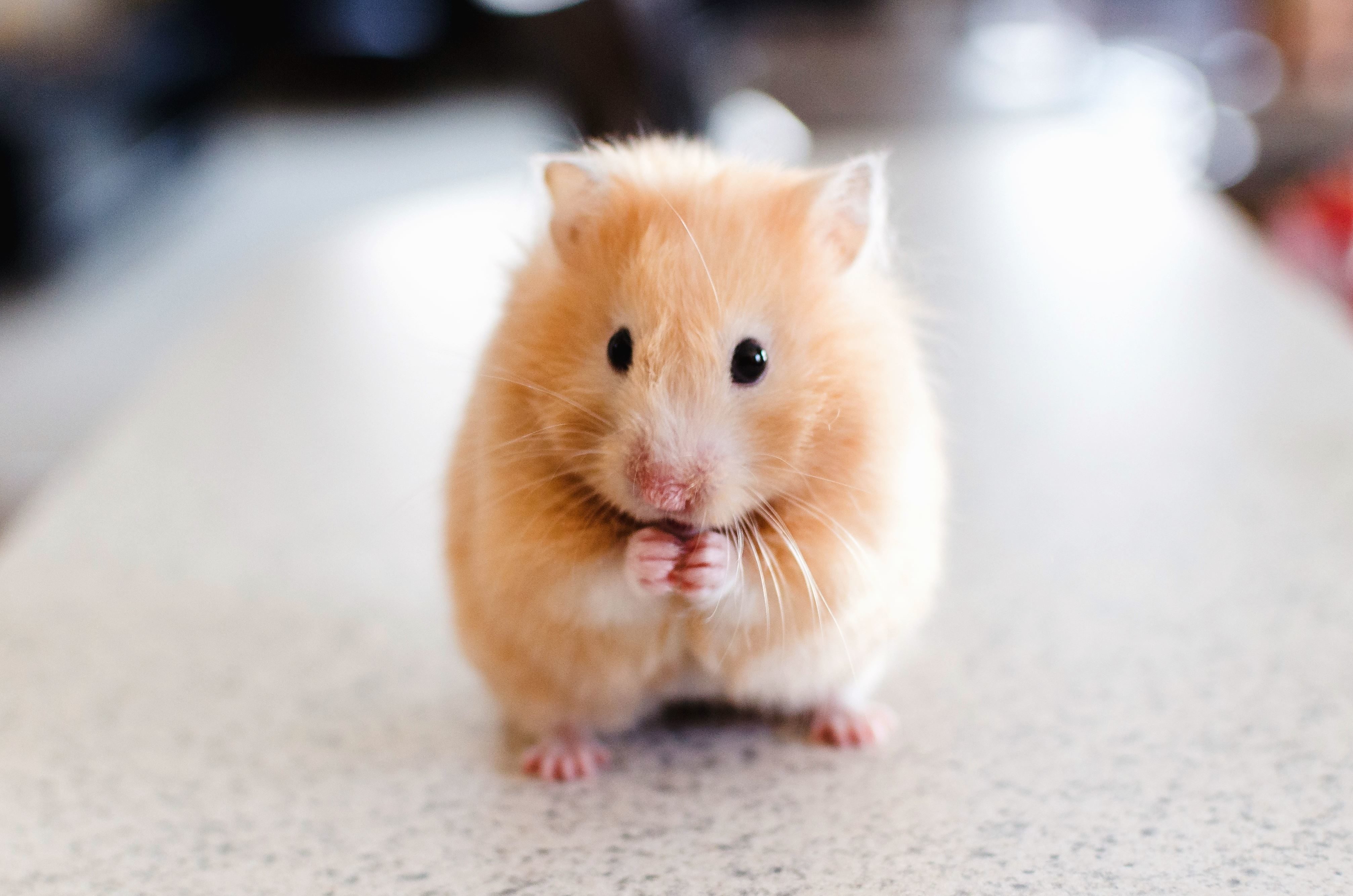
To test the anti-viral efficacy of PF-07321332 (PF-332) Johan Neyts and colleagues conducted experiments in cell models and an animal model with the Alpha, Beta and Delta variants of SARS-Cov-2. As a proof-of-concept, the authors first conducted experiments in mammalian cells and a primary human airway epithelial cell model to study SARS-CoV-2 virus infection and test anti-viral compounds. They confirmed PF-332 anti-viral activity against the Alpha variant. The authors then tested the efficacy of PF-332 in small groups of Syrian golden hamsters. They found that Syrian hamsters infected via the nose with the Beta or Delta variants did not develop symptoms or show signs of illness following oral treatment with PF-332 for four consecutive days. The authors also infected six hamsters with the Delta variant and co-housed them with six uninfected animals. They found that hamsters treated with PF-332 for 3 days did not transmit the Delta variant to the co-housed untreated animals.
PF-332 has received emergency approval for use in some countries and the authors suggest these findings underscore the potential of PF-332 as a promising anti-viral drug to treat SARS-CoV-2 infection, limit transmission and improve disease outcome.
Attachments
Note: Not all attachments are visible to the general public. Research URLs will go live after the embargo ends.


