Population growth and aging expected to drive 47% increase in annual breast cancer cases by 2045

Publicly released:
New Zealand
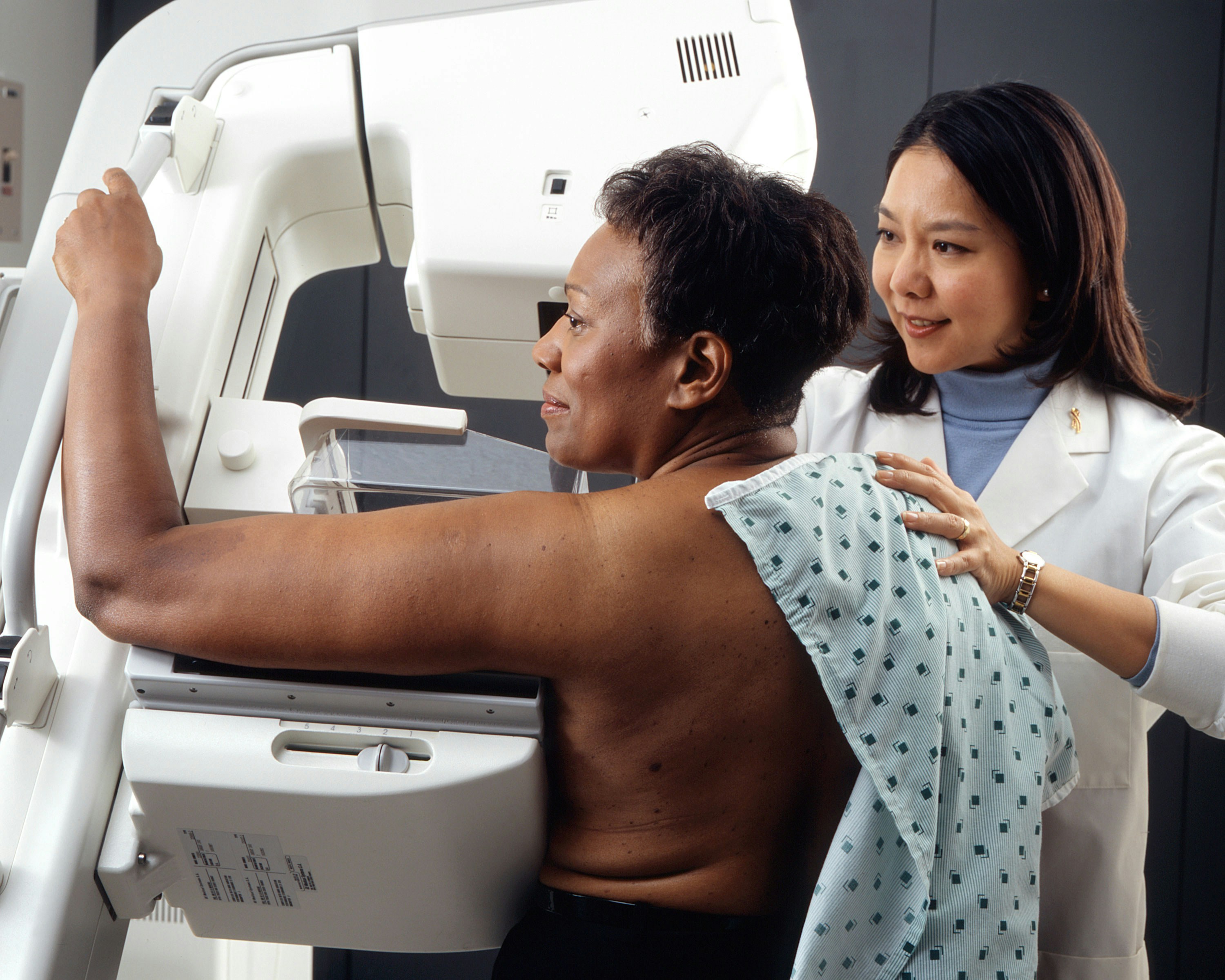
Photo by National Cancer Institute on Unsplash

According to a new modelling study, the number of women diagnosed each year with breast cancer in Aotearoa New Zealand is projected to rise substantially over the coming decades, driven primarily by population growth and ageing rather than increases in cancer rates. Māori and Pacific women will continue to experience the highest cancer rates, while Asian women are projected to see the largest proportional increase in cases. The study authors say that as demand for breast screening increases, there are opportunities to improve how screening is delivered, including collecting information on breast density, moving towards more personalised screening where the frequency and type of checks are tailored to a woman’s individual level of risk, and the potential use of artificial intelligence to assist radiologists in reading mammograms more efficiently.

News release

From: Pasifika Medical Association Group

The number of new cases of breast cancer is expected to grow by nearly 50% over the next two decades, rising from around 3,500 to over 5,200 per year, mainly because the population is growing and ageing rather than because breast cancer is becoming more common per person. Māori and Pacific women are expected to continue being diagnosed at higher rates than other groups, and the number of cases among Māori women is projected to nearly double. The study also highlights opportunities to improve how screening is delivered, including collecting information on breast density (how much firm tissue a woman has in her breasts, which can make cancers harder to detect on a mammogram and is itself a risk factor), moving towards more personalised screening where the frequency and type of checks are tailored to a woman’s individual level of risk, and the potential use of artificial intelligence to assist radiologists in reading mammograms more efficiently. Together, these changes could help detect cancers earlier, reduce inequities in outcomes and make better use of health system resources as the population grows and demand for breast screening increases.

Journal/
conference:
New Zealand Medical Journal
Organisation/s: Te Whatu Ora - Health New Zealand
Funder: n/a
Media Contact/s
Contact details are only visible to registered journalists.