 Sign In



 International
News release
From:
Ancient teeth hint at interactions between archaic humans
Enamel proteins from the teeth of six Homo erectus individuals that lived in China around 400,000 years ago offer insights into how ancient genetic material might have made its way into modern humans. Analysis of the proteins from these ancient human relatives, reported in Nature this week, identifies genetic material that is also seen in a more recent group of archaic humans called Denisovans. These findings suggest that the two populations may have co-existed and interacted in parts of East Asia.
Homo erectus — an ancient relative of humans with an anatomy distinct from earlier Homo and other hominins, and closer to our own — originated around two million years ago, and was the first member of the genus Homo to spread from Africa to Eurasia and Southeast Asia. One way to understand the role of this lineage in the evolution of hominins is to study molecular data (such as DNA or proteins). However, the age and poor preservation of older H. erectus specimens have made this evidence hard to recover.
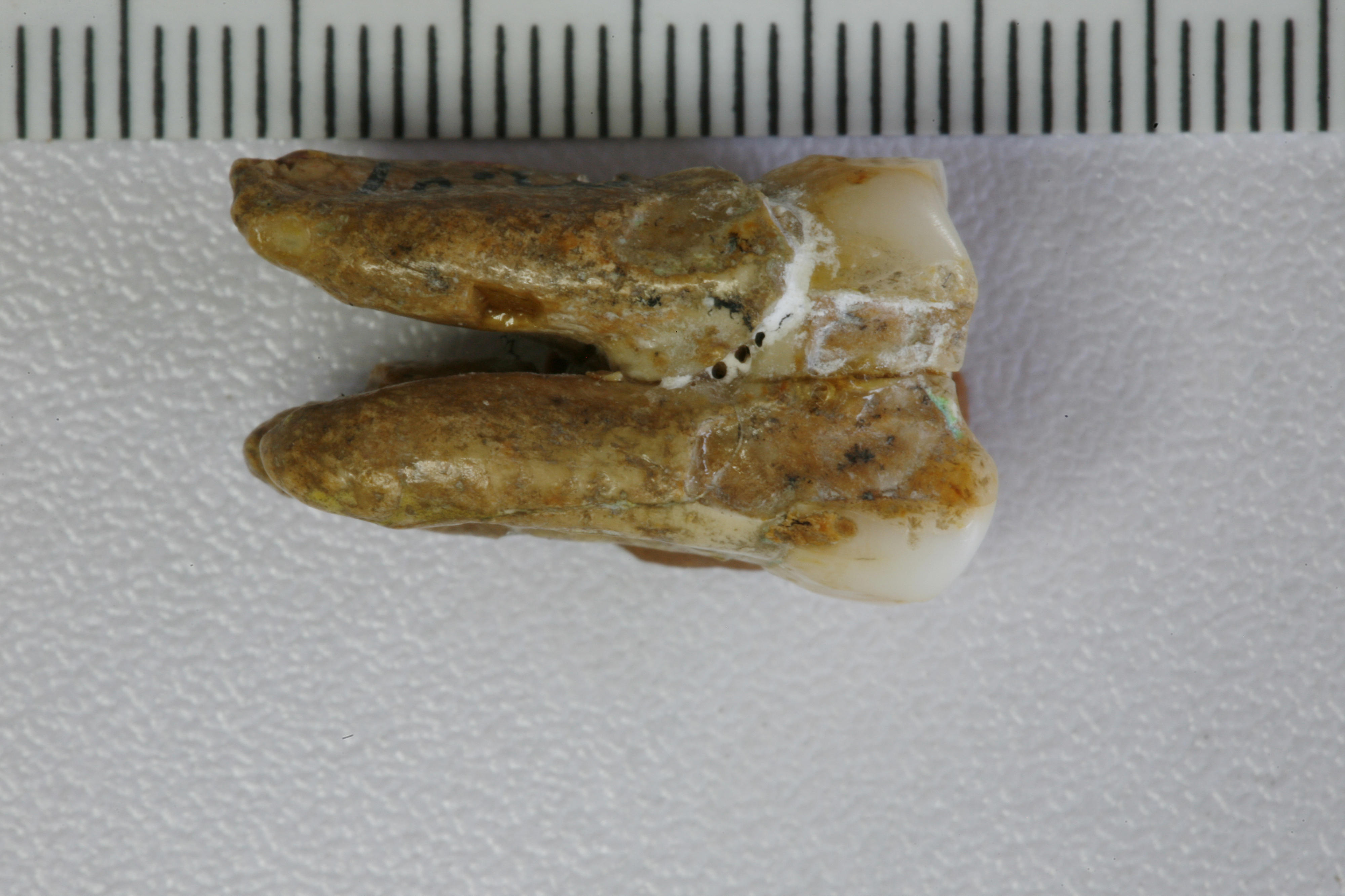
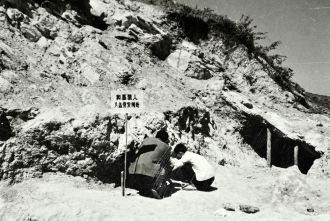
Qiaomei Fu and colleagues describe the successful extraction of enamel proteins from six H. erectus specimens from the Middle Pleistocene of China, which date to approximately 400,000 years ago. The fossils, five males and one female, come from three different locations: the Zhoukoudian, Hexian and Sunjiadong sites. Two amino acid variants are found to be present in all six teeth; one of these variants (AMBN(A253G)) has not been seen before and may be a marker for East Asian H. erectus. The other variant (AMBN(M273V)) had previously been observed in Denisovans and in some modern humans. The authors suggest that AMBN(M273V) may have been introduced into Denisovans through populations related to these Middle Pleistocene H. erectus. This finding suggests that ancient genetic material passed to modern humans via Denisovans may have originated in H. erectus.
Further analysis of molecular data from H. erectus specimens from a range of different periods and regions may help to reveal more information about interactions with Denisovans and shed light on evolution within the Homo genus, the authors conclude.
Multimedia

Attachments
Note: Not all attachments are visible to the general public. Research URLs will go live after the embargo ends.


