 Sign In



 Australia; VIC
News release
From:
THREE-QUARTERS OF HEALTHY OLDER AUSTRALIANS USE COMPLEMENTARY MEDICINES
ALMOST 75% of healthy Australians aged over 70 years report using complementary medicines either daily or occasionally, according to research published today in the Medical Journal of Australia.
Researchers from Monash University, led by Dr Alice Owen, a Senior Research Fellow, analysed data from the ASPirin in Reducing Events in the Elderly (ASPREE) Longitudinal Study of Older Persons (ALSOP) to assess self-reported use (every day, occasionally, never) of complementary medicines by healthy people over 70 years of age residing in metropolitan or regional Victoria, South Australia, Tasmania, the Australian Capital Territory or southern New South Wales, recruited through their usual GPs.
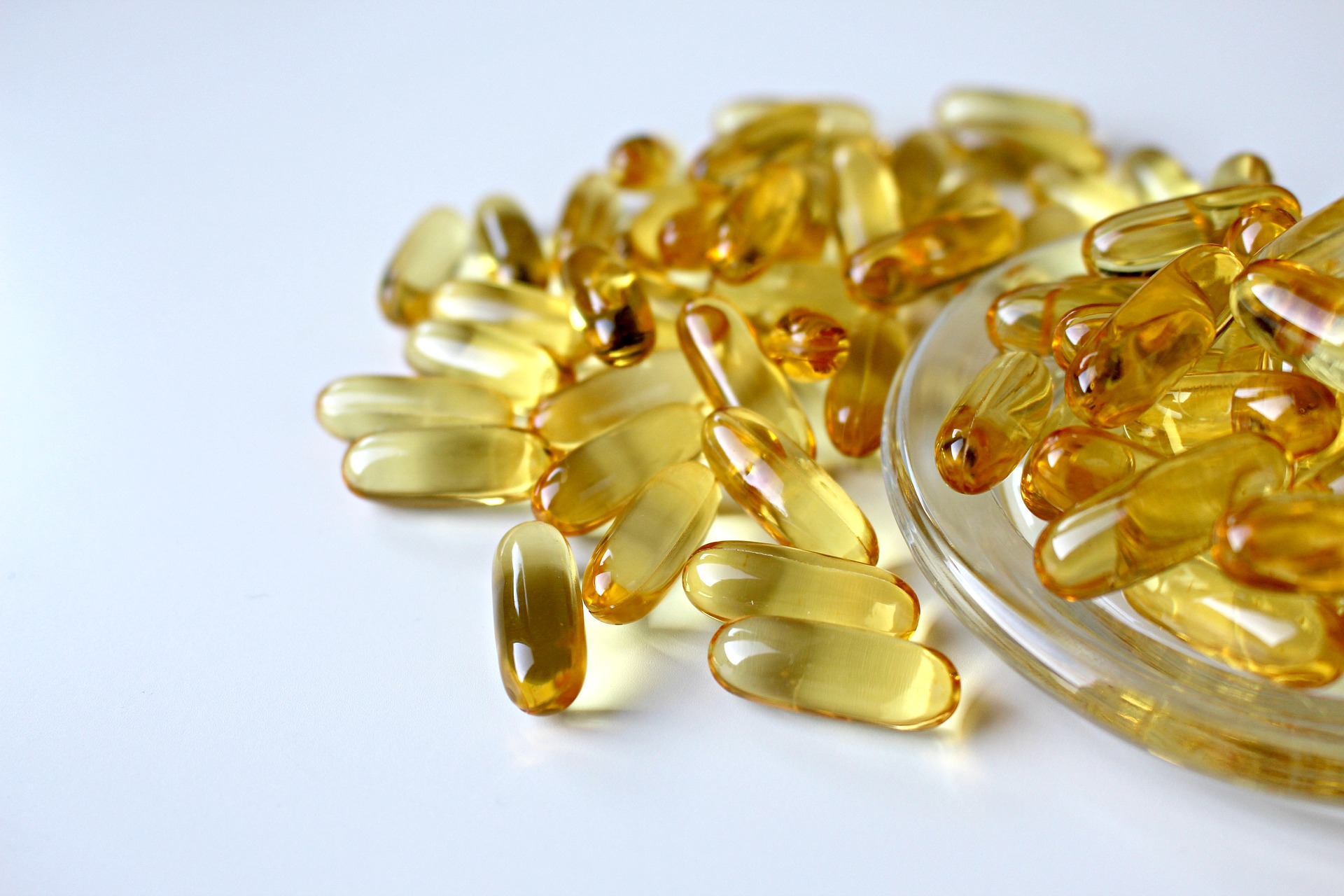
Specifically, they asked about use of fish oil, glucosamine, ginkgo, coenzyme Q10, calcium, zinc, vitamins B, C, D and E, multivitamins, and Chinese or herbal medicines.
“A total of 10 961 respondents (74.3%) reported using them either daily or occasionally; fish oil (6563 of 14 757 respondents, 44.5%), vitamin D (4995, 33.8%), glucosamine (3940, 26.7%), and calcium supplements (3652, 24.7%) were the most frequently reported items,” Owen and colleagues found.
“The proportions of complementary medicine users who reported a history of depression (987 of 4053, 24.4%) or osteoarthritis (3060 of 5240, 58.4%) were larger than for non-users (depression, 264 of 1347, 19.6%; osteoarthritis, 705 of 1598, 44.1%; self-reported diabetes was more common among non-users (363 of 3790, 9.6%) than among complementary medicine users (815 of 10 944, 7.4%).”
The results led the researchers to express concern about marketing and promotion of complementary medicines.
“Complementary medicines are used by more than half the people in Australia, incurring out-of-pocket health expenses of about $5.2 billion in 2019,” Owen and colleagues wrote.
“While proprietary complementary medicines are generally regarded as safe, their widespread use by older people, who generally have a greater burden of disease, higher medical expenses, and low or fixed incomes, raises questions about their marketing and promotion.”
All MJA media releases are open access and can be found at:
https://www.mja.com.au/journal/media
Please remember to credit The MJA.
The Medical Journal of Australia is a publication of the Australian Medical Association.
The statements or opinions that are expressed in the MJA reflect the views of the authors and do not represent the official policy of the AMA or the MJA unless that is so stated.
Attachments
Note: Not all attachments are visible to the general public. Research URLs will go live after the embargo ends.


