After a suicide attempt among their social networks, young people are more at risk

Publicly released:
International
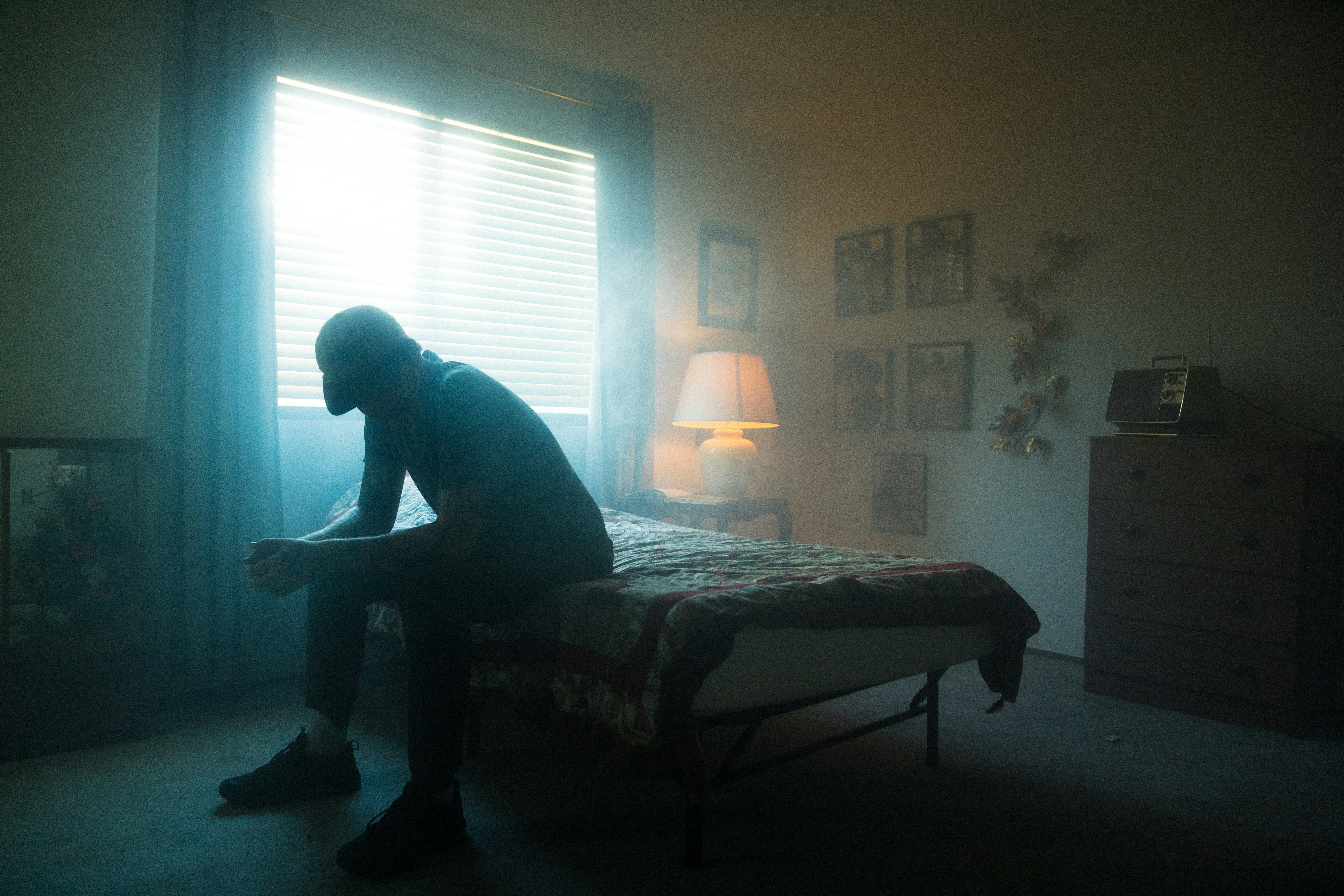
Photo by Jakob Owens on Unsplash

***This media release contains information some readers may find distressing as it refers to data about mental health, suicide and self-harm. If you or anyone you know needs help, support is available now. Call Lifeline (Aus) on 131 114 or Beyond Blue on 1300 22 4636, or Lifeline (NZ) on 0800 543 354. ***

Teens and young people who have experienced a suicide attempt within their social network are at a higher risk of attempting suicide themselves, according to an international study. The researchers used data from a series of surveys of US young people ages 13-22 over a two-year period, looking at how a suicide attempt in the participants' on and offline social networks influenced their odds of depressive symptoms, suicidal thoughts and suicide attempts. They say after taking depressive symptoms into account, young people who'd been exposed to a suicide attempt were 2.43 times more likely to attempt suicide over the course of the study. Exposure to a suicide attempt was also linked to higher depressive symptoms over time, but not the onset of suicidal thoughts, the researchers add.

News release

From: JAMA

Suicide Risk After Social Network Exposure to Suicide Attempts in Adolescents and Young Adults

In this cohort study of adolescents and young adults, exposure to suicide attempts within one’s social network was associated with subsequent suicide attempt onset and higher depressive symptoms over time. Assessing recent exposure to suicide attempts may help identify youths at elevated suicide risk not detected through symptom-based screening alone.

Attachments

Note: Not all attachments are visible to the general public. Research URLs will go live after the embargo ends.

Research JAMA, Web page The URL will go live after the embargo ends
Journal/
conference:
JAMA Network Open
Research:Paper
Organisation/s: University of New Hampshire, USA
Funder: This research was supported by award R01MH128269 from the National Institute of Mental Health, National Institutes of Health (NIH).
Media Contact/s
Contact details are only visible to registered journalists.