 Sign In



 International
News release
From:
Socioeconomic predictors of knockdown resistance in the globally invasive tiger mosquito Aedes albopictus
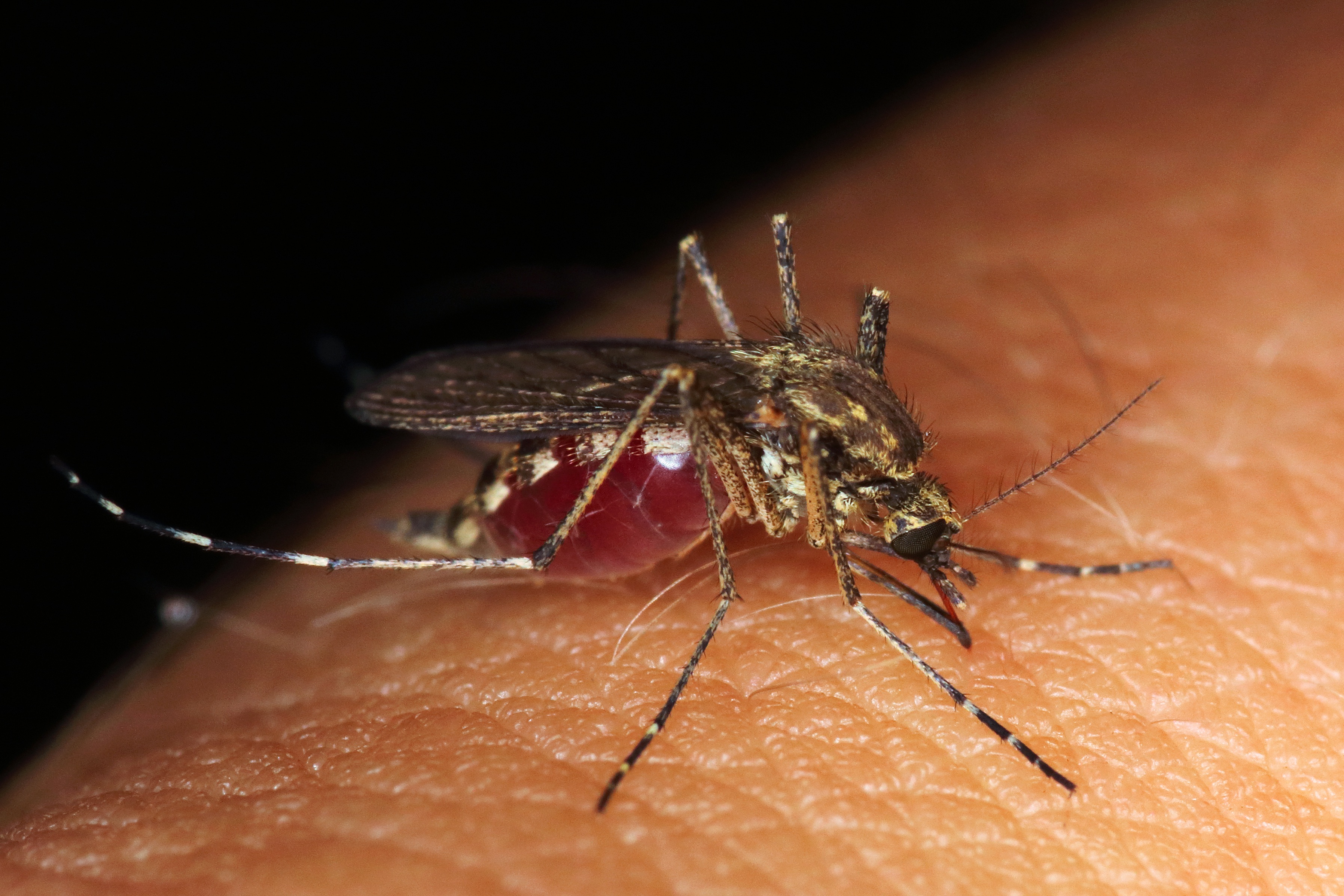
Scientists studying the invasive tiger mosquito in Raleigh, North Carolina, USA found that insecticide resistance is more common in wealthier neighborhoods. By sampling mosquitoes across 31 residential areas, the team discovered that resistance to widely used chemicals was strongly linked to higher property values. This pattern likely reflects more frequent use of household or contracted pest control in affluent areas, which unintentionally drives mosquito evolution. The findings highlight a surprising connection between socioeconomic factors and public health risks. Understanding these patterns could help design smarter, more coordinated mosquito control strategies to slow resistance and reduce the spread of mosquito-borne disease.
More buzz for your buck - Invasive mosquitos are more likely to be resistant to pesticides in wealthier areas. By sampling mosquitos in 31 residential areas across Raleigh, North Carolina, USA, researchers found a direct relationship between property value and insecticide levels. The relationship arises because wealthier households are more likely to regularly spray chemical pesticides in their gardens, the authors explain. They also note the findings highlight a surprising connection between socioeconomic factors and public health risks.
Attachments
Note: Not all attachments are visible to the general public. Research URLs will go live after the embargo ends.


