 Sign In



 New Zealand
News release
From:
Moving the dial on out-of-hospital cardiac arrest survival in Aotearoa New Zealand
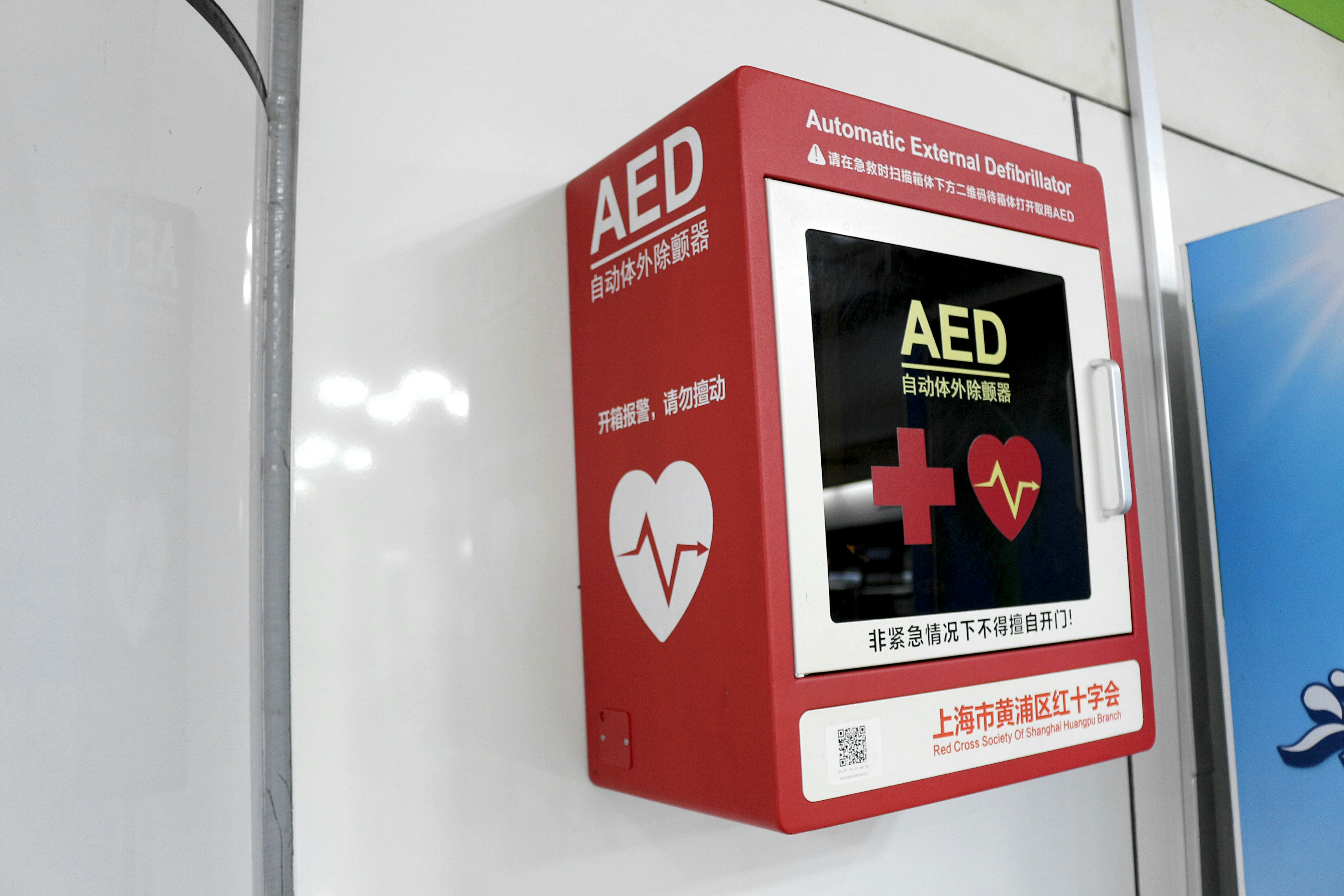
Every year in New Zealand, around 2,000 people who have had a cardiac arrest (their heart stops outside of hospital) are attended in the community by Hato Hone St John, and currently about one in 10 survive—a number that has not improved in recent years. The single biggest thing that saves lives is quick action in the first few minutes—starting cardiopulmonary resuscitation (CPR) and using an automated external defibrillator (AED) before the ambulance arrives—because survival drops roughly 10% for every minute of delay. Right now, while most bystanders do step in to perform CPR, only 6–7% of patients get shocked with an AED in time, and survival is noticeably worse for Māori, Pacific peoples, women, rural communities and those living in poorer areas. Since most cardiac arrests happen at home, the article argues that AEDs should be as common and easy to reach as smoke alarms and that every school leaver should know how to do CPR. With the right mix of school-based training, better AED access, stronger community-responder networks and fairer post-hospital care, New Zealand has a real opportunity to save many more lives.

