 Sign In



Attachments
Note: Not all attachments are visible to the general public. Research URLs will go live after the embargo ends.

 Australia; QLD
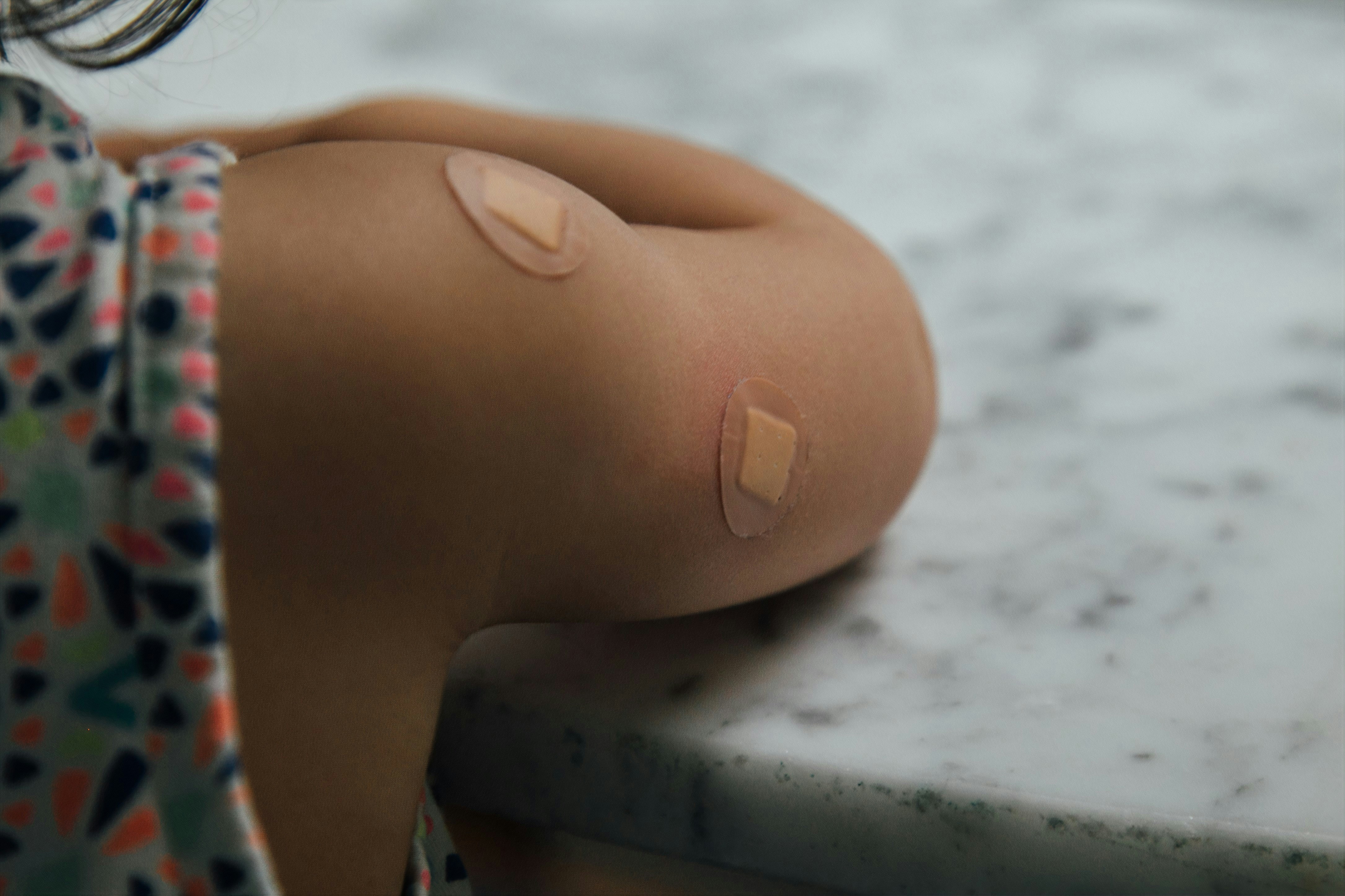
Improving access to health services is likely the most important step for increasing the number of Aboriginal and Torres Strait Islander children getting their recommended vaccinations from age 0-5, according to a rapid review of research from the past decade. Australian researchers collated studies investigating the barriers and enablers for vaccinating First Nations children in early adulthood, searching for common themes among the diverse set of studies. Overall, the researchers say while the studies they looked at varied between communities, practical barriers to accessing healthcare were a common theme, including transport from remote areas, opening hours of healthcare facilities and cultural safety. To improve vaccination rates for First Nations children, the researchers say the focus should be on improving the practical support families have to physically access vaccines, as well as making sure First Nations staff and local community members are involved in providing care.
Note: Not all attachments are visible to the general public. Research URLs will go live after the embargo ends.

