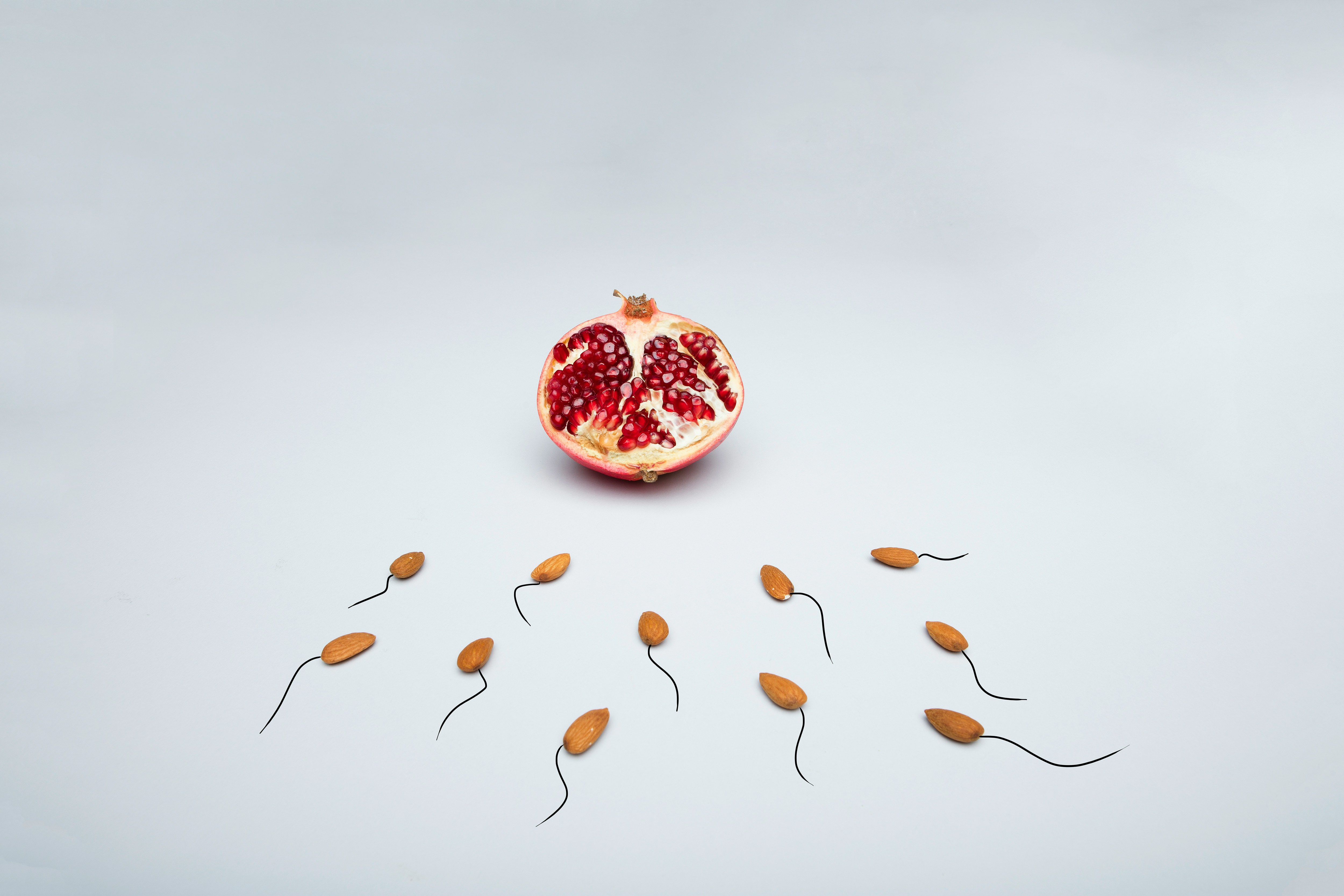
Abstinence could affect sperm quality in people and animals

Publicly released:
International
Photo by Deon Black on Unsplash

Monty Python might’ve sung “Every Sperm is Sacred,” but international researchers have found stored sperm might not be as “good” and “needed” as the song suggests. After looking at more than 150 studies on sperm storage in humans and other animal species, the team found men’s sperm performance might actually slightly deteriorate after a period of abstinence. They found “storage via sexual abstinence” was linked to a small but statistically meaningful decline in sperm performance that is likely due to increased DNA damage and oxidative stress. The team says their findings could provide information to help fertility clinics produce better quality embryos, as well as help researchers who are breeding animals in captivity.

News release

From: The Royal Society

Sperm storage causes sperm senescence in human and non-human animals

Proceedings of the Royal Society B: Biological Sciences

Sperm storage has evolved across animals due to several its adaptive benefits. Yet, storage can lead to post-meiotic ageing of sperm, potentially reducing organismal fitness. We quantify impacts of sperm storage using a meta-analysis across the animal kingdom, including humans. Sperm performance deteriorates during sexual abstinence in men and as well as during storage in males or females of other animals. This deterioration is likely due oxidative and DNA damage to sperm, or loss of sperm ATP. Importantly, eggs fertilised by stored sperm produce poor quality embryos. Our study advances understanding of sperm biology with implications for improving fertilisation outcomes.

Attachments

Note: Not all attachments are visible to the general public. Research URLs will go live after the embargo ends.

Research The Royal Society, Web page The URL will go live after the embargo lifts.
Journal/
conference:
Proceedings B
Research:Paper
Organisation/s: University of Oxford, UK
Funder: R.D. was supported by a Daphne Jackson Fellowship [NERC]. I.S. was supported by a BBSRC Fellowship [BB/T008881/1] and a Royal Society Dorothy Hodgkin Fellowship [DHF\R1\211084]. R.V.-T. was supported by a BBSRC standard grant awarded to Tommaso Pizzari [BB/V001256/1].
Media Contact/s
Contact details are only visible to registered journalists.