 Sign In



 Australia; NSW; QLD
News release
From:
Emerging Aboriginal leaders call for greater Indigenous control over native foods
As Australia’s native food industry booms, experts say Indigenous people must have a seat at the table
Aboriginal leaders and advocates have joined together today to call out commercial companies exploiting native food knowledge without adequate community engagement. They are urging government action to ensure Indigenous people can better lead and control the access and benefits that arise from their traditional foods and knowledge.
The new evidence-based commentary, published in the Australian and New Zealand Journal of Public Health, represents the collective view of six leading Aboriginal academics and one non-Indigenous researcher with expertise across bush food, traditional Indigenous medicines, policy and law.
Lead author Dr Luke Williams is a proud Gumbaynggirr man from northern NSW and a University of Queensland researcher focusing on the traditional uses of native plants for food and medicine. He says native plants are an essential part of Aboriginal cultural identity.
“Access to our traditionally used plant sources have been vastly eroded by colonisation – many Indigenous people have been displaced from their traditional lands, natural resources have been destroyed or control has been taken away, and knowledge systems around how best to maintain and use these resources is increasingly lost. Climate change is also creating a new threat for our natural plant resources.
“Greater access and resourcing to help our communities access and develop traditionally used native foods would offer a range of benefits. It provides opportunities to be active and moving around on Country, a mechanism for youth to be learning culture from Elders, eating healthy foods, and caring for Country. There are also economic opportunities that can be developed from the sale and development of native plants and botanicals,” Dr Williams said.
Dr Williams is especially concerned about the growing commercialisation of Indigenous knowledge of native ingredients without genuine community engagement or benefit.
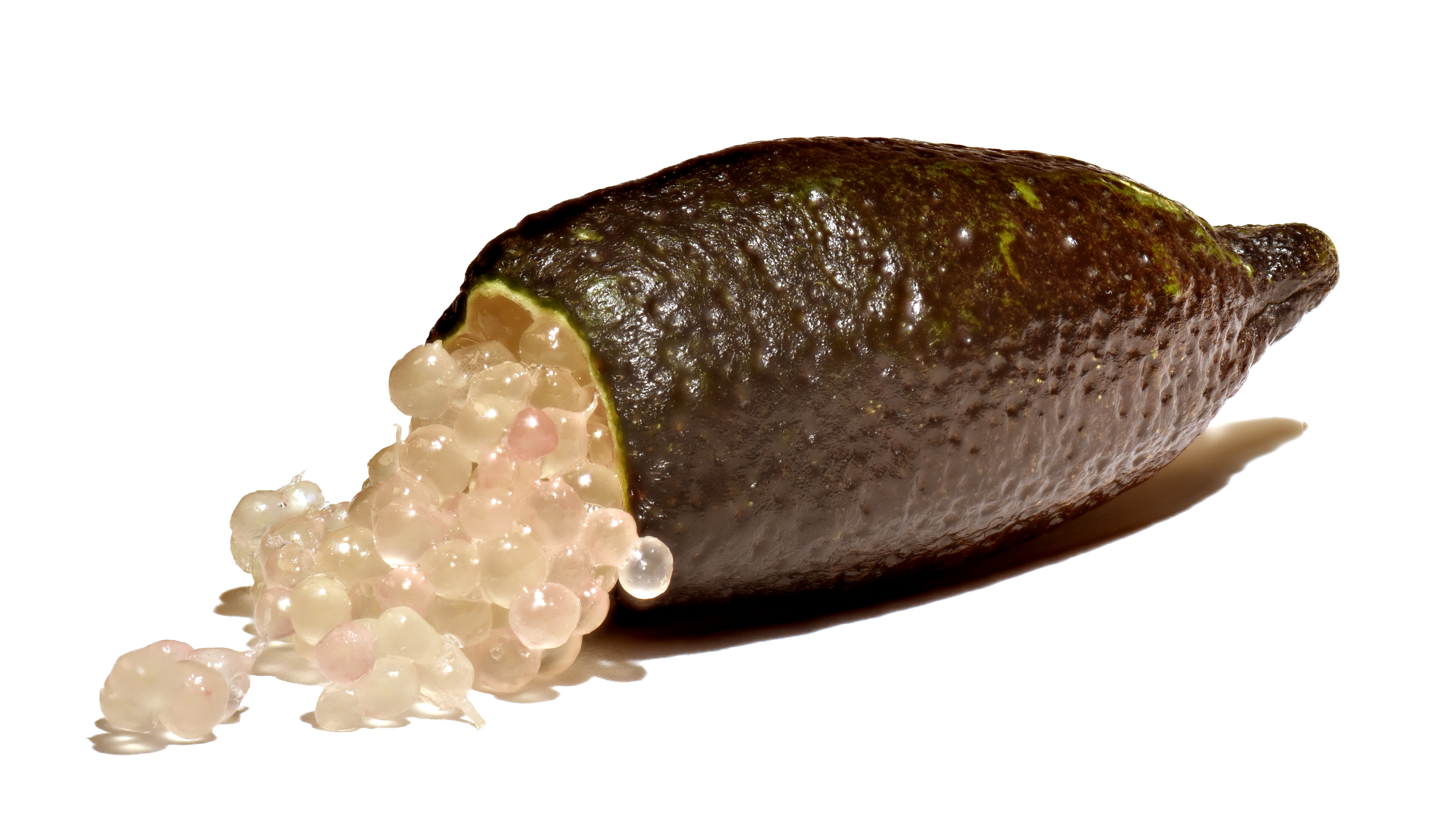
“Native foods are a $100-million-dollar industry in Australia. Well-known examples include ingredients like lemon myrtle, Davidson plum, finger lime, wattleseed and Kakadu plum. A 2020 report looking at 13 native plants, all of which have a long history of use in Aboriginal communities, estimated that the industry would be worth $140 million in 2025. Yet, it is estimated that a miniscule amount, less than one percent of industry revenue, goes to Aboriginal and Torres Strait Islander communities.
“The most outrageous thing we hear about is black cladding – where non-Indigenous companies use Aboriginal art or words that imply community involvement or engagement. We need strong government action now to protect against this cultural appropriation, so that consumers can make informed decisions when purchasing these products,” Dr Williams continued.
Senior paper author Dr Alana Gall is a proud Truwulway and Litamirimina woman from the east/north-east coast of Lutruwita (Tasmania, Australia) and leads a program of research focussed on Indigenous medicine at Southern Cross University. Dr Gall is also the outgoing Vice-President (Aboriginal and Torres Strait Islander) of the Public Health Association of Australia.
“It’s really concerning to see Indigenous knowledge being commercialised without appropriate protection, or any benefit to Aboriginal and Torres Strait Islander People who have held this knowledge for thousands of years,” said Dr Gall.
“Internationally, Australia has signed up to the 2024 international law that aims to protect Indigenous cultural knowledge from appropriation and provides intellectual property guards, among other important international laws like the Nagoya Protocol. These need to be ratified with standalone legislation that work for Indigenous communities.
"With our native food and medicine industry booming and set to continue to grow it’s crucial that action is taken now to close the legal gap that allows native foods and Indigenous knowledge to be used without community engagement or accountability,” Dr Gall continued.
“At the same time, we need innovative government action to help Aboriginal and Torres Strait Islanders secure better access to and control over the foods and medicines that are an essential part of their cultural identity and health.”
To support Aboriginal and Torres Strait Islander communities and protect their rights to their cultural foods, the authors call for:
- The introduction of legislation that prohibits misleading Indigenous branding on products and services
- The establishment of a certification mark that guarantees genuine Indigenous products or at least engagement with Traditional Custodians
- The establishment of an Indigenous-led national industry body that can represent the interests of Aboriginal and Torres Strait Islander Peoples across the industry
- The establishment of regional hubs to support Indigenous communities and businesses with their bush food aspirations at a local level, which could include education, food security, or enterprise development.
The paper “Levering Indigenous Peoples’ food and botanicals to improve health, social wellbeing, cultural identity and economic self-determination” was authored by academics with affiliations with the University of Queensland, University of Sydney, Australian Nuclear Science and Technology Organisation, Southern Cross University, and the Public Health Association of Australia.
Attachments
Note: Not all attachments are visible to the general public. Research URLs will go live after the embargo ends.


