 Sign In



 Australia; NSW
News release
From:
Researchers have found evidence of a previously unknown branch of the marsupial family tree, a discovery that could reshape our understanding of how Australia’s unique mammals evolved.
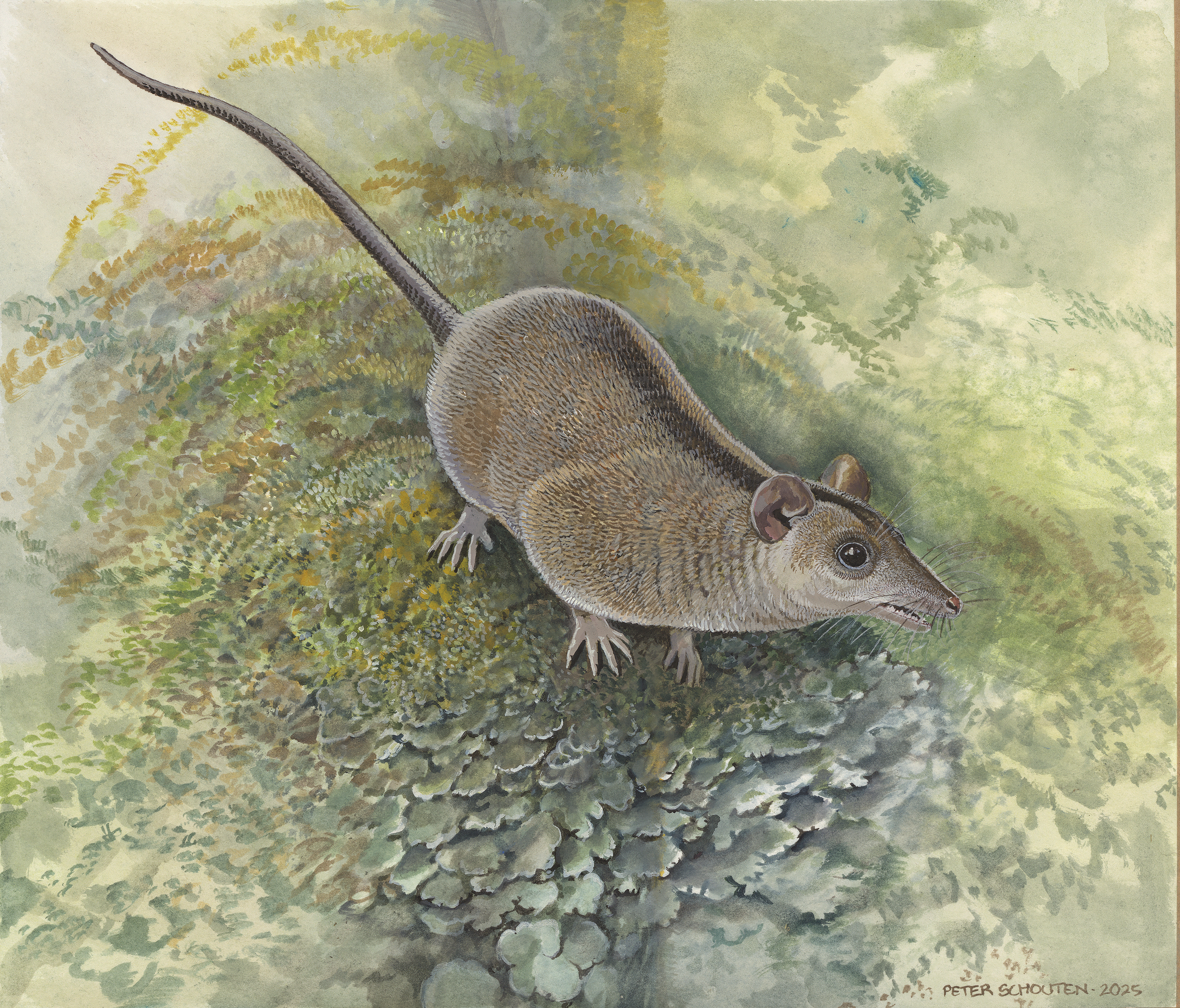
Published in the Journal of Paleontology, the study describes three new species of small, insect-eating marsupials from Queensland’s Riversleigh World Heritage Area.
Together, the fossils are distinct enough for researchers to propose a new marsupial order: Keeunamorphia.
The animals, which weighed between 25 and 200 grams, lived in the lush rainforests of northern Australia around 18 million years ago.
But their evolutionary roots appear to stretch much deeper.
“Not only is it a new order, but it could also be one of the most ancient lineages of Australian marsupials,” says UNSW palaeontologist Dr Tim Churchill, lead author of the study.
Scientists generally think Australia’s marsupials descended from a common ancestral lineage that arrived from South America via Antarctica more than 50 million years ago.
But the new fossils complicate that story.
Using a combination of fossil evidence and evolutionary modelling, the researchers found the animals were not closely related to any other marsupials living alongside them.
Instead, their teeth resembled those of much older species, suggesting they belonged to a distinct lineage that persisted for tens of millions of years.
“Whatever these things were, they seemed to be primitive compared to other marsupials at the time,” Dr Churchill says.
“They appear to have been doing their own thing and surviving alongside them.”
The discovery hints that Australia’s early marsupial fauna may have been more diverse than previously thought.
“Evolutionary history is a lot more complex than just one group leading to all of Australia’s marsupials,” Dr Churchill says.
“It’s more likely that when Australia was part of Gondwana it was home to a range of primitive marsupial lineages, and that several of them may have contributed to the animals we see today.”
The researchers say much of that history remains hidden in gaps in the fossil record, meaning the earliest chapters of marsupial evolution are still being written.
Attachments
Note: Not all attachments are visible to the general public. Research URLs will go live after the embargo ends.


