 Sign In



 International
News release
From:
Astronomy: A method for detecting nuclear weapons in space (N&V)
The presence of nuclear weapons on a space satellite could be detected by miniature satellites according to a modelling study in Nature. The approach could provide a means to verify compliance to the Outer Space Treaty, which prohibits the placement of nuclear weapons in orbit.
The Outer Space Treaty — the basis of international space law — was drafted in 1967 and is ratified by 117 signatories, including the USA, China, and Russia. One of the stipulations of the treaty is banning the use of nuclear weapons in orbit; such weapons could destroy most of the satellites in the low Earth orbit. However, there are no practical methods for verifying compliance and the absence of weapons.
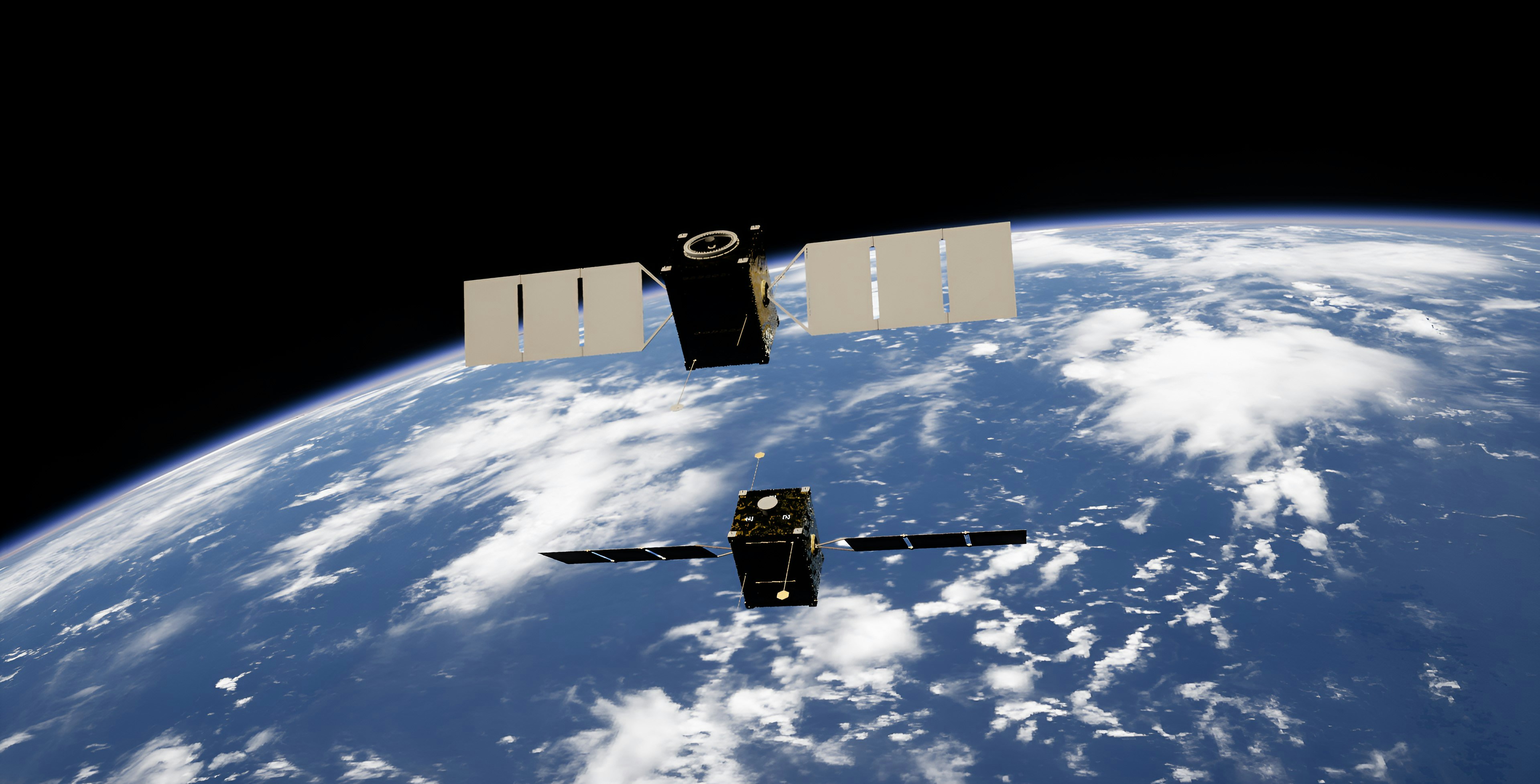
A method for detecting nuclear weapons in space is presented by Areg Danagoulian. Modelling indicates that satellites carrying nuclear weapons would emit a distinctive signal of neutrons owing to interaction between the uranium components of the weapon and the protons trapped in Earth's magnetic field. The calculations suggest that a nine-unit CubeSat (a small satellite made of commercially available equipment) could detect these signals. In a scenario involving a hypothetical nuclear-weapon-bearing satellite in a low Earth orbit, the CubeSat could identify a thermonuclear weapon at a distance of 4 km after around a week of observations, Danagoulian reports. While additional work is needed to test the feasibility of this approach, the findings could inform policy and research efforts to develop tools for verifying compliance to the Outer Space Treaty, the author concludes.

