2024-2025 COVID-19 vaccines reduce risk of virus-linked hospitalisation and heart problems

Publicly released:
International
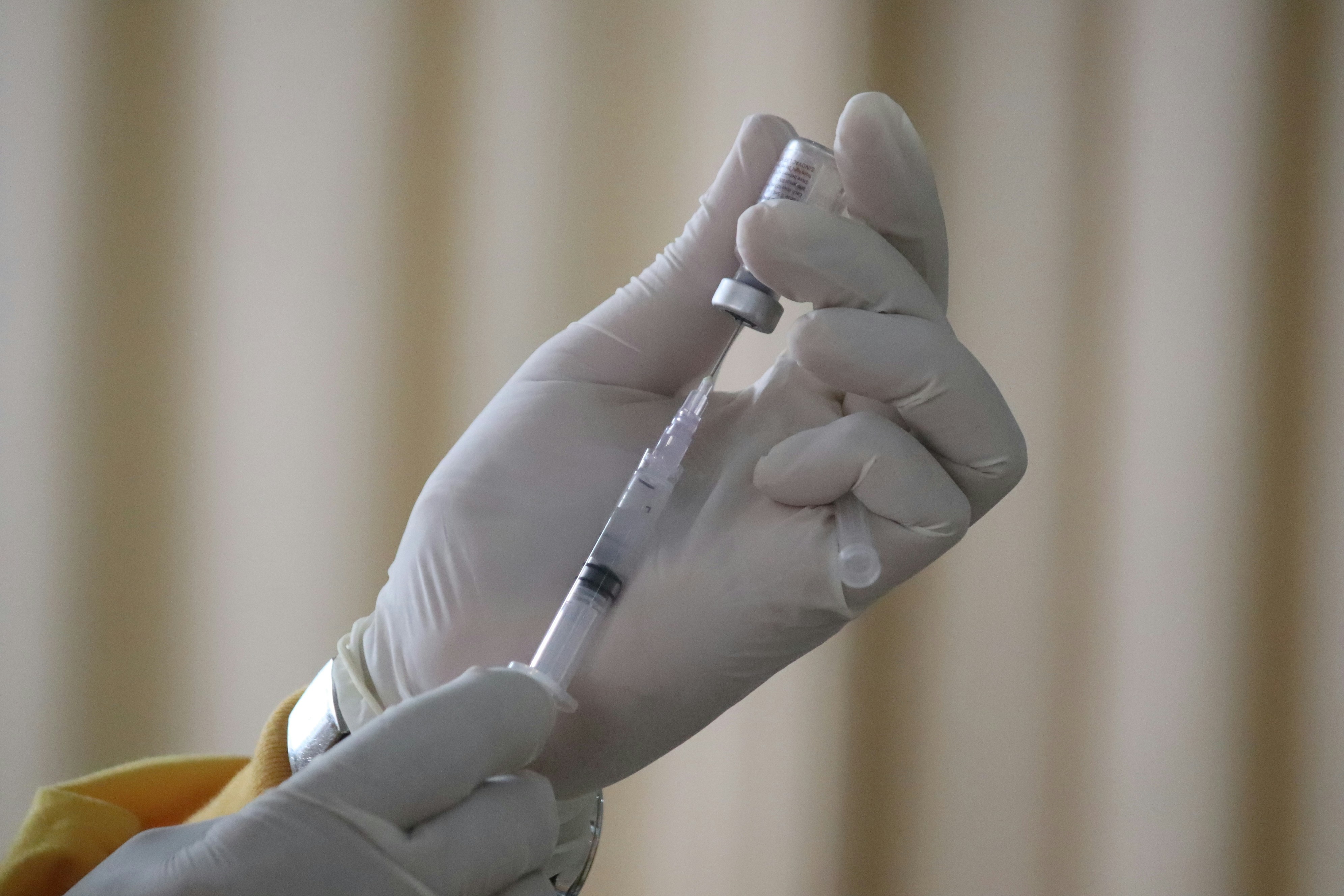
Photo by Mufid Majnun on Unsplash

People who received a 2024-2025 COVID-19 vaccine were less likely to require medical treatment for the virus and less likely to have a major heart problem in the following months, according to two US studies. In the first study, the researchers looked at over 400,000 COVID-19-linked emergency department visits, hospitalisations and instances of critical illness from September 2024-2025, looking at who had received a COVID-19 vaccine within the previous 300 days. They estimate the 2024-2025 set of vaccines in the US were 26% effective at reducing COVID-19-linked emergency/urgent care visits, 35% effective against hospitalisation and 41% effective against critical illness. In the second study, researchers compared the rate of heart problems among 1 million US veterans who either received a flu shot only, or a flu shot and a 2024-2025 COVID-19 vaccine. They say COVID-19 vaccination was linked to a modest reduction in COVID-19-linked heart attacks, strokes, heart failure hospitalisations and heart death, with this link mostly visible for over 75s. COVID-19 vaccination was linked to a stronger reduction in risk of major heart problems of any cause, the researchers say, suggesting the vaccine may be reducing the hidden strain that undetected COVID-19 can have on the heart.

News release

From: JAMA

Estimated Effectiveness of 2024-2025 COVID-19 Vaccines in Adults

About The Study: In this test-negative case-control study, 2024-2025 COVID-19 vaccination was associated with reduced likelihood of medically attended COVID-19–associated outcomes among immunocompetent and immunocompromised adults, highlighting the importance of adults receiving recommended COVID-19 vaccinations.

2024-2025 COVID-19 Vaccine and Major Adverse Cardiovascular Events Among US Veterans

About The Study: In this cohort study, receipt of the 2024-2025 COVID-19 vaccine was associated with reduced risk of COVID-19–associated major adverse cardiovascular event (MACE), with reductions most prominent in those 75 years or older and those with comorbidities. While the reduction in COVID-19–associated MACE was modest, the substantially larger reduction in all-cause MACE suggests that the vaccine’s protective association extends to the hidden burden of undetected SARS-CoV-2 and its sequelae.

Attachments

Note: Not all attachments are visible to the general public. Research URLs will go live after the embargo ends.

Research JAMA, Web page Paper 1. The URL will go live after the embargo ends
Research JAMA, Web page Paper 2. The URL will go live after the embargo ends
Journal/
conference:
JAMA Internal Medicine
Research: Link to Paper 1 | Paper 2
Organisation/s: Centers for Disease Control and Prevention, USA (Paper 1), US Department of Veterans Affairs, USA (Paper 2)
Funder: Paper 1: This study was supported by the Centers for Disease Control and Prevention through contracts toWestat (75D30121D12779) and Kaiser Foundation Hospitals (75D30123C17595). Paper 2: This research was funded by the US Department of Veterans Affairs (to Dr Al-Aly).
Media Contact/s
Contact details are only visible to registered journalists.