 Sign In



 International
Media release
From:
Blink to the beat
Scientists discover that when we listen to music, we unconsciously blink our eyes along with the rhythm
Yi Du and colleagues from the Chinese Academy of Sciences published an article in the open-access journal PLOS Biology on November 18th detailing their findings about a new way our bodies naturally respond to music. Given a steady beat, our eyes blink in synchrony.
The neurological process that helps us move with the music is known as auditory-motor synchronization. This describes the way you tap your foot along with the radio or bob your head at a concert, or why some runners listen to songs with a specific number of beats per minute to keep pace. However, this new study found that we don’t just respond to music with these gestures we can choose to start or stop. Some of our most involuntary movements are affected as well.
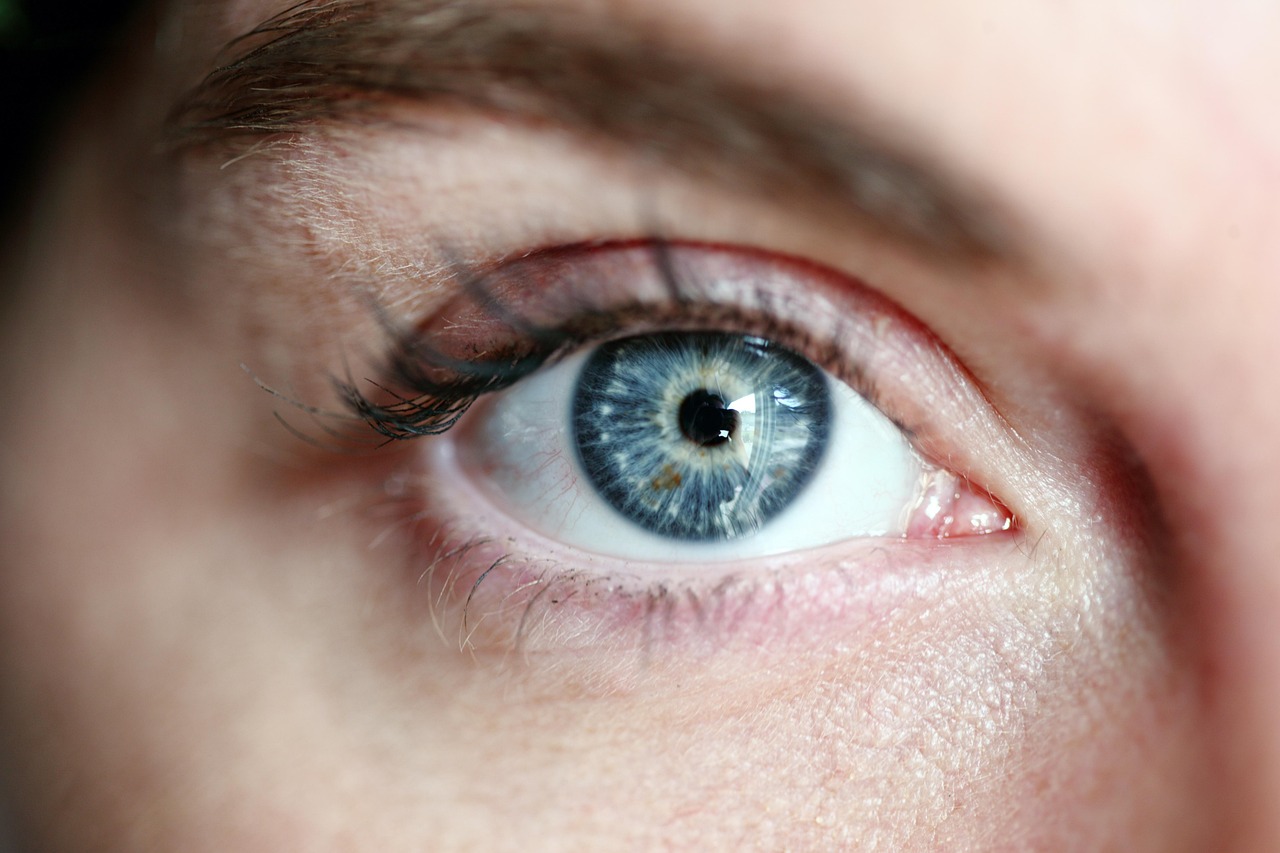
In over 100 participants, the researchers measured spontaneous blinks, the ones our eyes do without us usually even noticing. The researchers treated the participants to Western classical music, selecting songs that provided an even tempo. Not only did the participants’ blinks begin to sync up with the music, but their brainwaves also aligned.
The researchers played the tunes backwards to be sure the participants weren’t responding to other familiar musical cues, and the participants blinked in time regardless. The researchers also played participants beats mimicking the pace of the music but at a single tone. Participants seemed to blink in rhythm slightly worse with real music, but the difference was not statistically significant.
The only factor that disrupted this synchronization was when the researchers gave the participants an unrelated task. While the music played, the participants had to wait for a red dot to appear on the screen in front of them. Originally, the researchers had suspected that if the dot appeared in-beat with the music, the participants would notice it faster, but regardless of when the dot appeared in relation to the music, participants’ blinking was no longer matching up with the song. This finding surprised the researchers and demonstrated that even if we’re not aware of it, this response requires us to focus on the music.
The participants in the study were not musicians, meaning these synchronized blinks are not a product of musical training or ability. Studying phenomena like these can help us understand how pathways in the brain connect and how different senses and brain functions interact. Some evidence also indicates that certain neurological conditions affecting body movement can be treated with music therapies that engage auditory-motor synchronization. The more that's uncovered about these neural pathways, the more useful these treatments can become.
Author Yi Du speaks to the study’s methodology:
"We found that people’s spontaneous eye blinks fall in step with the musical beat—even without being told to move—revealing a hidden link between hearing music and the oculomotor system."
"Because blinks are effortless to measure, this behavior offers a simple, implicit window into how we process rhythm—and could one day support clinical screening for rhythm-related difficulties."
“What surprised us most was how reliably a ‘small-movement’ like blinking locks to the beat—it’s a tiny action that reveals a deep coordination between hearing and action, which we did not expect at all”
“I loved that a simple, non-invasive signal—blinks—can act as a window into rhythm processing. It opens doors for studies outside the lab.”
“As someone who studies rhythm and prediction, I was struck that the eyes keep time with the ears—it’s an elegant, everyday signature of the brain’s timing mechanisms.”
“This project reminded us that small, overlooked behaviors can expose big principles of brain function.”
Attachments
Note: Not all attachments are visible to the general public. Research URLs will go live after the embargo ends.


